
Arnold of Melchthal and His Father
William TellThis flow follows Arnold’s path from exile and filial guilt toward collective action and the choice of mercy.
increasing Bearing strength in each event
 decreasing
Bearing strength in each eventdecreasingFlight from Punishment
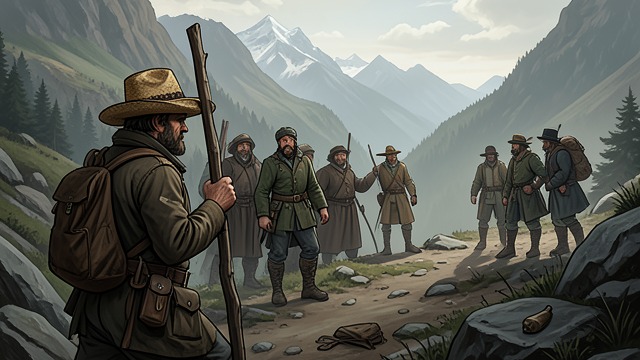
Flight from Punishment
A dispute over oxen
Arnold of Melchthal explains that he struck an official who tried to take his oxen under the governor’s orders. The incident drives him to hide in Uri, where he feels cut off from his father.
Defiance mixed with regret
Arnold knows his response was rash, but he also rejects the humiliation imposed on his household. His concern is not only for himself; he fears that the authorities will make his father suffer in his absence.
His flight begins as a local clash over labor and authority. The next news transforms that worry into a much more devastating burden.
The Blinding Revealed
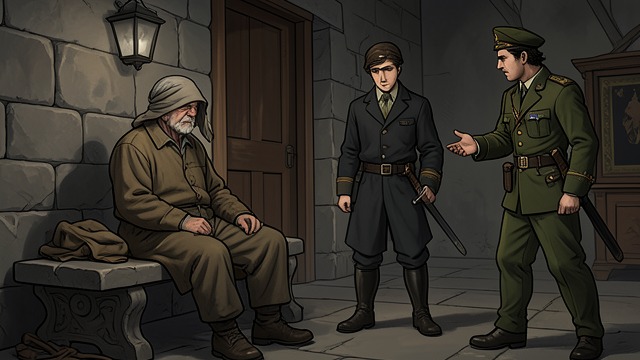
The Blinding Revealed
A father punished
Arnold learns that Landenberg’s men have blinded Henry of the Halden after demanding that he reveal his fugitive son’s whereabouts. The old man has been deprived of his sight and possessions.
Guilt turned outward
Arnold feels responsible for the punishment and briefly resolves to attack the governor alone. Walter Furst warns that individual fury cannot overcome a fortified ruler.
The scene turns filial guilt into a demand for action, but it also shows the cost of letting rage dictate strategy. Arnold’s suffering becomes politically effective only when joined to a broader cause.
A Mission Through the Alps
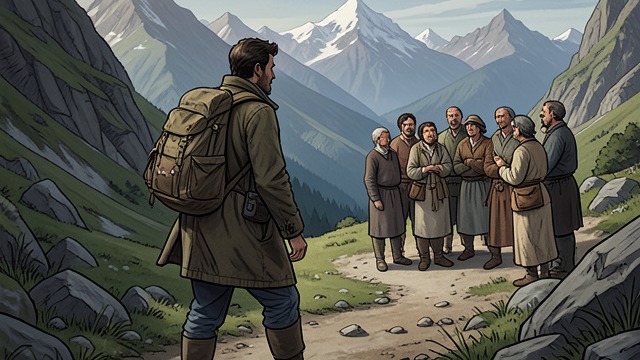
A Mission Through the Alps
A dangerous journey
Arnold crosses mountain routes to reach communities in Unterwalden and seek support for the resistance. He travels through remote pastures and shelters among herders.
News carried by trust
People welcome him as a guest and respond to reports of the governors’ abuses. He finds that resentment is widespread and that the reputation of trusted leaders helps turn it into readiness to act.
His journey makes him a link between scattered settlements. Rather than pursuing his father’s assailants alone, he builds the connections needed for collective resistance.
The Vow Against Vengeance
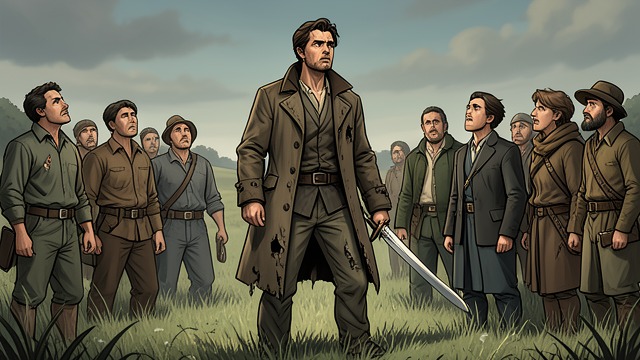
The Vow Against Vengeance
Grief at the assembly
At Rütli Meadow, Arnold describes finding his father blind and destitute. His anger remains intense, but Werner Stauffacher reminds him that the meeting exists to prevent further wrongs rather than repay old ones.
Private pain in a public cause
Arnold accepts a role in the common undertaking and helps prepare for action against the fortresses. His father’s suffering gives his resolve urgency without defining the entire purpose of the rising.
That shift changes the shape of his loyalty. He continues to seek justice, but places his strength at the service of a community rather than a private vendetta.
Mercy at the End
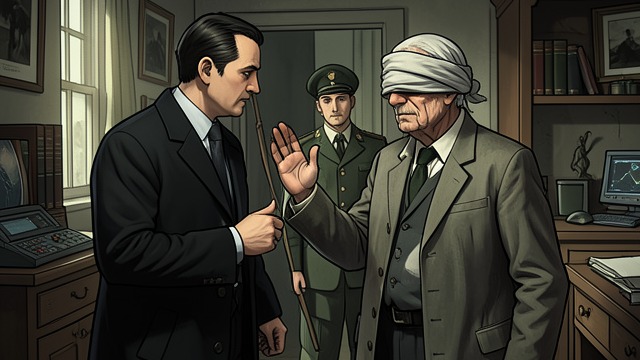
Mercy at the End
The persecutor captured
Arnold pursues Landenberg across the Brünig and brings him before his blind father. The moment offers a chance to repay cruelty with immediate violence.
A different justice
Henry pleads for the old man’s life, and Arnold honors that request. Landenberg swears the Urphede Oath and is spared on the condition that he never return with hostile intent.
The choice does not erase the injury, but it breaks the chain of revenge. Arnold’s final action completes his movement from wounded son to participant in a justice that refuses needless killing.
Before the Rütli meeting, at Walter Furst’s house
Before the Rütli meeting, when Stauffacher tells the story
Between the first council and the Rütli gathering
At night, during the Rütli meeting
Near the ending, after the strongholds fall
