Lake of Lucerne
William TellLake of Lucerne is introduced as an exposed, changing landscape where weather can quickly turn ordinary movement into danger. Its rocky shore and mountain-fed storms frame episodes of peril and escape, making the lake a practical force in the action as well as its setting.
Shore and Opening Setting
The opening scene places a high, rocky shore opposite Schwyz. The lake bends into the land, with a hut a short distance from the water and a fisher boy rowing nearby. This establishes a lived-in shoreline, but one exposed to the larger forces surrounding it: the view changes as rumbling and cracking sounds come from the mountains and cloud shadows sweep across the scene.
Wind, Rising Water, and Navigation
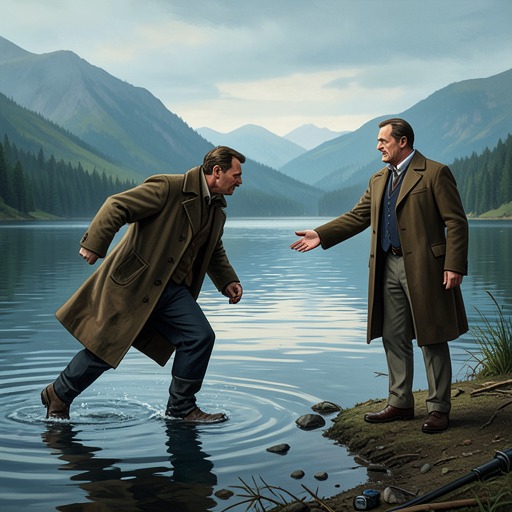
When thunder and roaring wind arrive, the lake becomes an immediate obstacle. The south wind rises and the water lifts; the boatman Ruodi says he cannot steer against both storm and wave. The episode makes the danger concrete: the lake’s conditions are not merely atmospheric, but limit whether a boat can be controlled and whether those aboard can travel safely.
Mountain Route and Escape
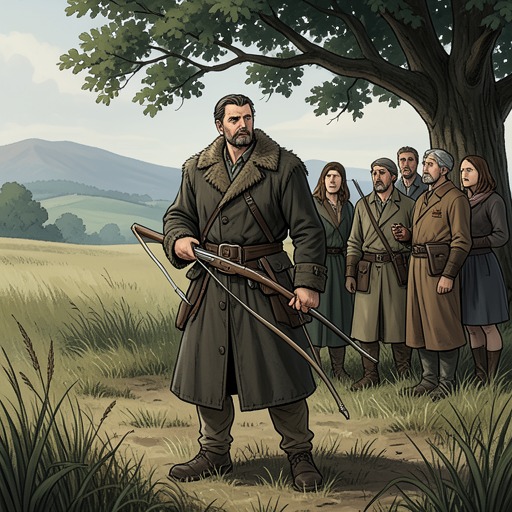
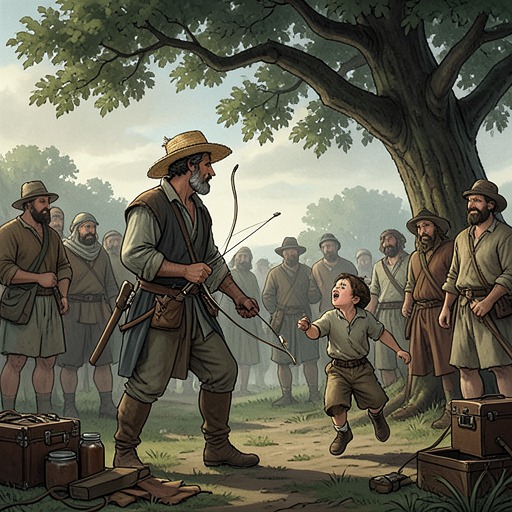
In a later account, Wilhelm Tell recalls a voyage with the governor and his suite. Near Little Axen, a hurricane sweeps down from the Gotthard gorge. Tell’s bow and quiver lie astern beside the helm, and he urges the men to row with all their strength until they reach a shelving crag, where he says the danger will be past. The episode extends the lake’s role from stormy setting to contested passage: the surrounding mountains funnel the weather, while the shore and rocks offer a possible route out of immediate peril.