Molotschna Women's Hayloft Gathering
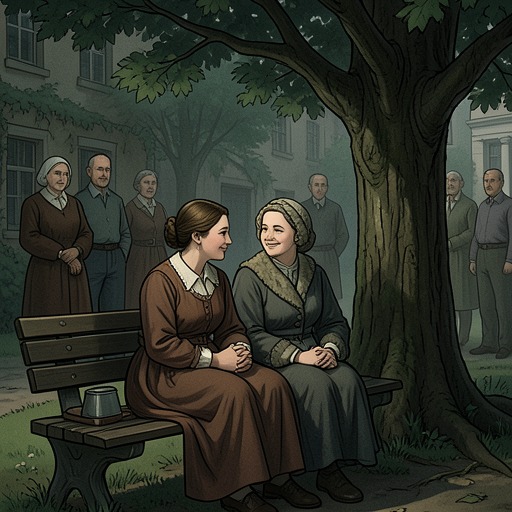
Women TalkingThe Molotschna Women's Hayloft Gathering is the June 6–7, 2009, meeting in which women of the Molotschna Colony debated how to respond to years of sexual assaults and the threat of expulsion if they refused to forgive the accused men. Convened in a barn hayloft and recorded by August Epp, the gathering joins urgent collective decision-making to a dispute over who has the authority to describe the violence, interpret faith, and preserve the women’s words.
Causes and stakes
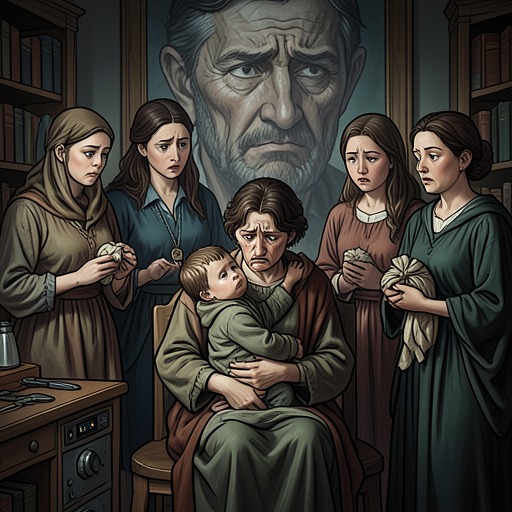
Agata Friesen and Greta Loewen organized the meetings hastily in response to assaults that had haunted the colony since 2005. The attackers had been mistaken by many for ghosts or Satan: at night, women and girls were rendered unconscious with Belladonna anesthetic spray used on farm animals, then woke in pain, groggy and often bleeding. The revelation that the eight attackers were men from Molotschna, including close relatives of women they assaulted, transformed a terror explained as supernatural punishment into a crime within the community.
The stakes were sharpened by the men’s absence. Most of the colony’s men had gone to the city to post bail for the imprisoned attackers, hoping they could return while awaiting trial. According to Peters, the bishop, the women would then have the opportunity to forgive them, a condition presented as securing everyone’s place in heaven. If the women would not forgive, they would have to leave for an outside world they knew nothing about. With only two days to organize a response, the women faced a choice under pressure from both the threat of renewed proximity to the accused and the prospect of exile.
Deliberation in the hayloft
The women had voted the previous day on three ballot options: Do Nothing, Stay and Fight, or Leave. Salome Friesen argued that doing nothing was not a real option, though permitting a vote for it could itself be empowering. Mejal Loewen agreed with the distinction but objected to Salome claiming authority to define reality or the available choices. Their disagreement exemplified the differing temperaments of the Friesen and Loewen families. The women collectively entrusted the two families with weighing the options and deciding how to implement the choice, setting aside Do Nothing, which most dismissed as foolishness.
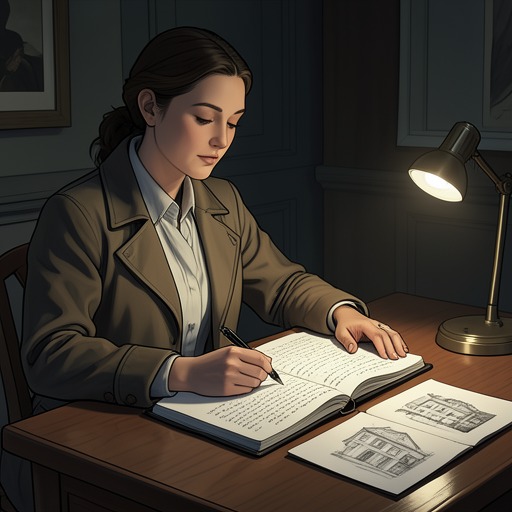
The discussions took place in Plautdietsch, the colony’s language, which August had to translate mentally into English before recording. Ona Friesen had asked him to document the meetings because the women were illiterate and could not take minutes themselves. The meeting therefore depended on an intermediary even as it challenged the structures that restricted women’s access to knowledge and speech in the written record.
The argument was not limited to logistics. Ona asked what the women could be obliged to forgive if colony elders and the bishop had decided they did not need counseling because they had been unconscious during the assaults. She pressed the contradiction between being told to forgive an experience they were prevented from understanding and being kept ignorant of the wider world in the name of protection. Salome, in turn, described women as excluded from membership in their own colony: men and boys gave orders, determined women’s fates, interpreted the Bible, led worship, and punished them. Her account made the gathering’s grievance larger than the assaults alone: the violence belonged to a patriarchal order that treated women as commodities rather than members.
From argument to record and preparations
The written work of the gathering became visible on a large sheet of brown packaging paper taken from the summer kitchen. Ona proposed that August list the options’ pros and cons. Although none of the women could read what he wrote, she wanted the paper left in the hayloft as an artifact for others to discover. Salome supported the idea in a rare tender moment toward her sister; Agata urged the discussion onward. Mejal found nails and a salt block in the tack room so the paper could be fixed to the wall. At Ona’s direction, August wrote the heading Stay and Fight and then Pros. The women began speaking over one another, and he asked them to take turns so he could understand and transcribe their points.
The dispute over Scripture exposed another reason that the written record mattered. Salome identified the issue as the male interpretation of the Bible being handed down to the women. Ona agreed that their inability to read or write put them at a disadvantage in any negotiation over biblical interpretation. The minutes did not erase that inequality, but they recorded women naming it and reasoning about it together.
The gathering also moved from argument toward material preparation. August told the women he had obtained the co-op safe, a stick of dynamite, and a world map; he added a sextant, though he doubted its usefulness. When the women considered a warning that a fire to the north might force them south toward the men in the city, Agata suggested the Koop brothers could be waiting to report their departure or prevent it. Mariche dismissed the fire story as a trap and proposed going north, away from the men. The exchange shows how deliberation had to account not only for principle but for supplies, information, and the possibility of interception.
Record and significance
The hayloft gathering made collective discussion a means of testing both the colony’s explanations and its rules. The women considered not only what to do, but who could define their choices, what forgiveness meant when counseling had been denied, and how a community could claim religious authority while restricting women’s ability to interpret its sacred text. Their different positions did not disappear; the collective process gave disagreement a place within a decision that had to be made quickly.
The minutes are themselves part of the event’s significance. August translated speech into writing for women barred by illiteracy from making that record themselves, while Ona imagined the list surviving as an artifact for future discovery. Near the end of the departure sequence, August gathered his notebooks and the minutes and ran back to the ladder to ask that they be given to Ona. Salome pointed out that Ona could not read them and asked what she would do with them. That unresolved exchange holds together the document’s promise and its limitation: the minutes preserve the women’s deliberations, but the power to read, write, and carry their words remains unevenly distributed.