Molotschna schoolhouse
Women TalkingThe Molotschna schoolhouse serves as a landmark in the women’s preparations to leave the colony, linking their collective decision to the immediate logistics of departure. Children are told to wait in a fallow field beside it, and the buggies assemble behind it as the plan moves from discussion toward action.
Setting and Function
The evidence gives the schoolhouse a practical rather than descriptive presence. It is identified through the spaces around it: a fallow field where children can wait and a place behind the building where the departure vehicles line up. These nearby locations make the schoolhouse a point of orientation for a group preparing to move together; no architectural or interior details are provided.
From Deliberation to Departure
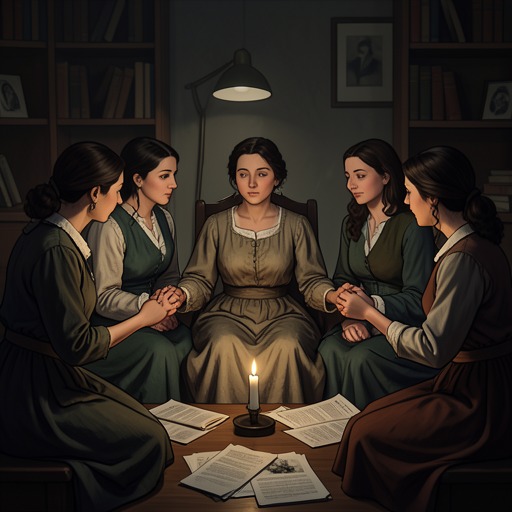
The preparations take shape against the threat that the women may be forced out of Molotschna Colony if they refuse the demand to forgive the imprisoned attackers. With little time to decide, the women consider doing nothing, staying and fighting, or leaving. Ona Friesen proposes that the written plan begin with the heading Staying and Fighting, but later states that leaving has no disadvantages. The schoolhouse’s role belongs to the practical end of this process: nearby children are gathered, and transport is brought into position.
Coordination and Route
The departure plan requires more than a decision. The women intend to leave after dark and pass the Chortiza Colony and Hiakjeke Colony without being seen. They also face the risk that the Koop brothers may alert the men or interfere with their movement, using a false report of fire to try to direct the women toward the city. Supplies are prepared for the journey: the map is wrapped around a block of cheese, while a safe, onions, soap, and pieces of wood for traction or kindling are packed with a buggy. These details show how the escape plan depends on transport, provisions, route knowledge, and secrecy.
The Departure Assembly Point
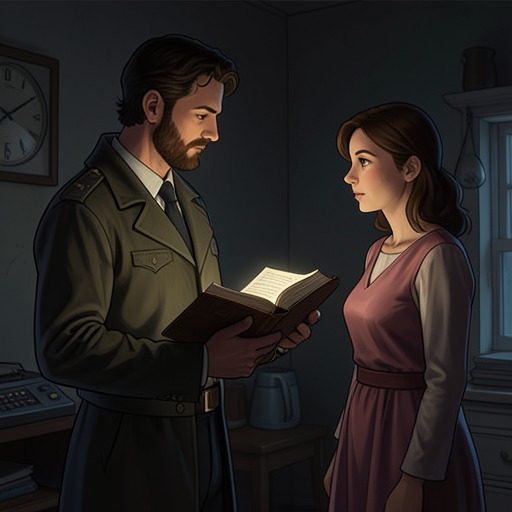
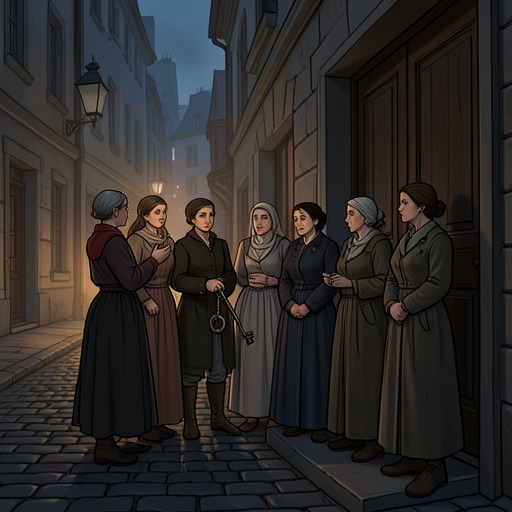
Agata directs the children to wait in the fallow field beside the schoolhouse. Later, the girls are sent to the buggies waiting behind it; the instruction marks the moment when preparation becomes movement. From a window, the narrator catches sight of the convoy lining up there. The building is therefore not presented as a refuge or as the source of the women’s authority, but as a recognizable gathering point at the threshold of departure. Its place in the sequence underscores the precariousness of the plan: the group is organized to leave, but the evidence shows the convoy assembling, not the journey’s completion.