
Power and the Ethics of Leadership
WoodwalkersThrough Milling, Jeffrey, Lissa, and Carag, the story distinguishes leadership that protects a community from power that demands obedience.
increasing Bearing strength in each event
 decreasing
Bearing strength in each eventdecreasingMilling's Public Prestige
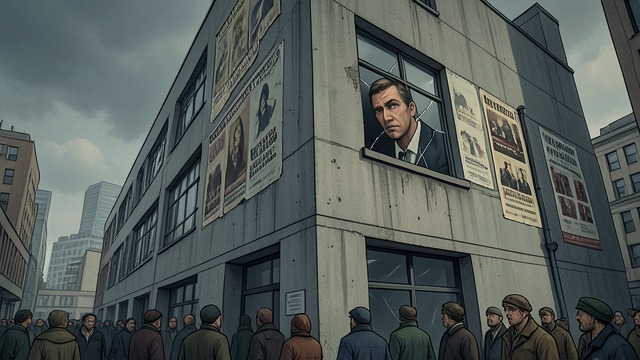
Milling's Public Prestige
Influence in human society
Carag sees Milling's name on posters and hears that he owns businesses and a resort. The adults around Carag treat a visit from him as an honor, giving the man social legitimacy before Carag understands his motives.
Image and reality diverge
Milling's confidence and wealth make it difficult for Carag to question him openly. The story introduces power as something that can persuade communities through reputation long before it reveals its underlying purpose.
Jeffrey's Local Dominance
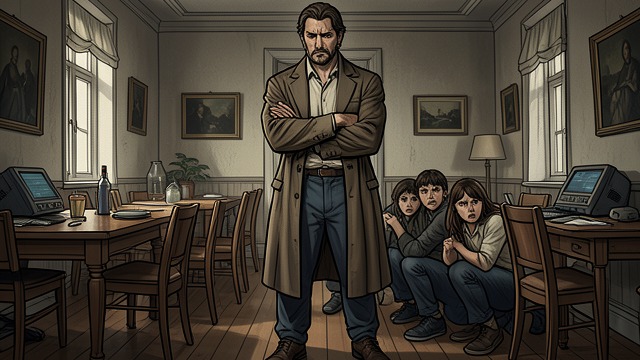
Jeffrey's Local Dominance
Power through intimidation
Jeffrey controls space in the dining hall, humiliates prey students, and uses his pack to enforce a hierarchy. His authority depends on others expecting him to retaliate.
Resistance exposes weakness
Carag's refusal to move shows that Jeffrey's status is not inevitable. Yet a teacher must interrupt the confrontation, and later events show that the pack continues to use coercion when direct intimidation fails.
Lissa's Institutional Authority

Lissa's Institutional Authority
Rules applied to students
Lissa Clearwater confronts Carag, Holly, and Brandon over a dangerous incident and issues formal warnings. Her authority is tied to protecting the school and preventing human hostility.
Care with accountability
She listens but does not accept every explanation unquestioningly. Her leadership aims to preserve a shared community, although her support of Milling shows that even responsible authority can be compromised by dependence on a powerful benefactor.
Milling's Recruitment Strategy
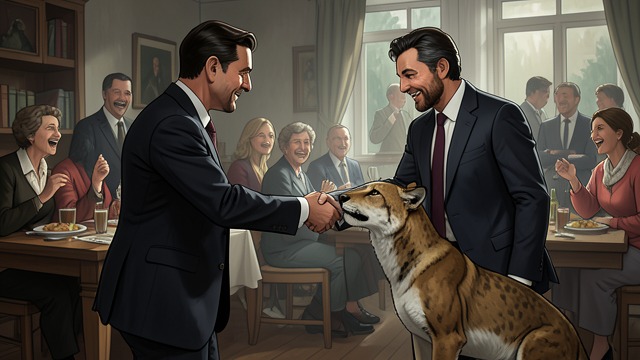
Milling's Recruitment Strategy
Favor becomes leverage
Milling offers gifts, praise, access, and personal confidence, then links Carag's family reunion to joining his cause. He presents assistance as care while quietly building obligation.
A leader's test
Carag realizes that Milling does not simply want to guide him; he wants to place the young puma inside a larger movement. The recruitment exposes the difference between mentorship that develops judgment and leadership that seeks a useful follower.
Carag Chooses His Own Side
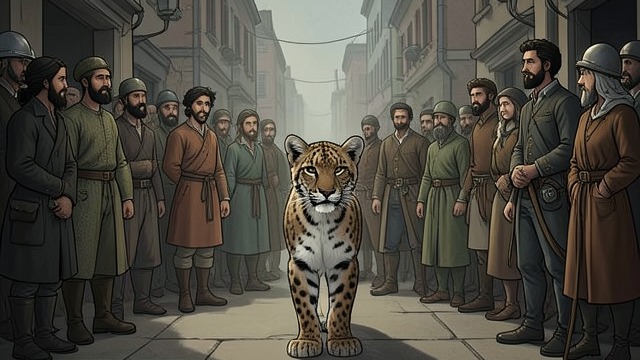
Carag Chooses His Own Side
Authority rejected
Carag refuses Milling despite the adult's wealth, power, and promise to find his family. He makes no claim to command others; he exercises authority over his own choice.
A different model of strength
Bridger and Carag's friends support him without demanding allegiance or obedience. Their relationships offer an alternative to Milling's model, in which loyalty is purchased through fear and personal need.
When Carag first hears Milling's name
During Carag's first week at Clearwater High
During the Chrysler disciplinary meeting
From the Sierra Lodge dinner to the exam
After the infirmary conversation
