
The Power of Stories and Memory
WoodwalkersStories, remembered advice, and written messages shape how characters interpret their pasts and make choices in the present.
increasing Bearing strength in each event
 decreasing
Bearing strength in each eventdecreasingThe Mystery Boy Story
The Mystery Boy Story
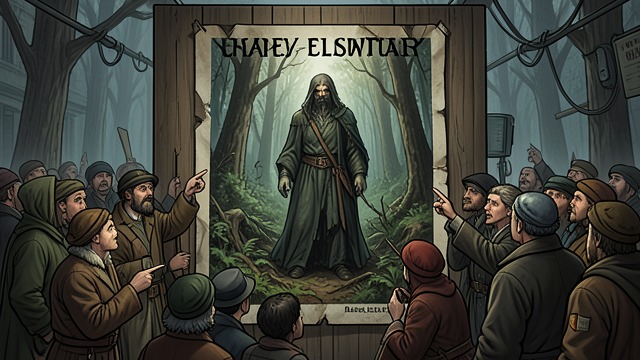
A public misunderstanding
Newspapers and television describe Carag as a mysterious boy who appeared from the forest and lost his memory. The public story conceals the truth that Carag remembers his puma family and deliberately created a human identity.
Identity controlled by others
The label protects Carag from questions while reducing his complex history to a simple mystery. The contrast introduces the novel's concern with who gets to tell a person's story.
Family Stories of Humans
Family Stories of Humans
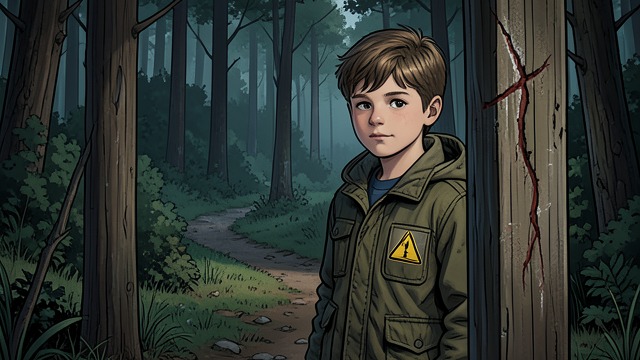
Warnings passed down
Carag's parents tell him about the dangers humans pose to predators and explain why the family avoids human settlements. These stories prepare him for real risks, but they also define human life before he can experience it himself.
Experience complicates inheritance
Carag meets kind humans as well as bullies and hunters. The inherited warning is neither wholly false nor enough to guide every choice, so Carag must learn to judge individual actions.
Bridger's Survival Story
Bridger's Survival Story
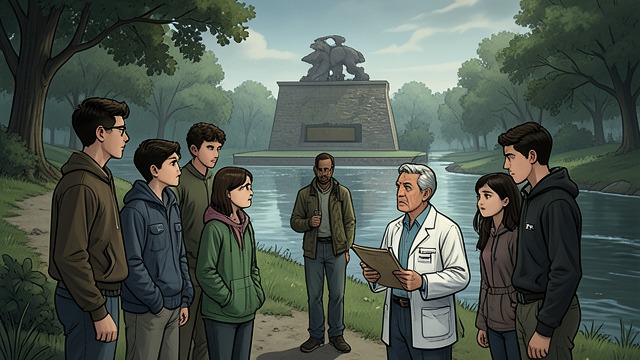
Experience becomes instruction
Bridger recounts an encounter with coyotes and a researcher at the Grand Canyon, asking students to reason through the danger before revealing what he did. The story trains judgment through uncertainty.
Memory returns in crisis
Later, Carag recalls Bridger's advice about using a river to evade dogs. The earlier lesson becomes useful not because it predicted every detail, but because it gives Carag a principle to adapt under pressure.
Milling's Tragic Narrative
Milling's Tragic Narrative
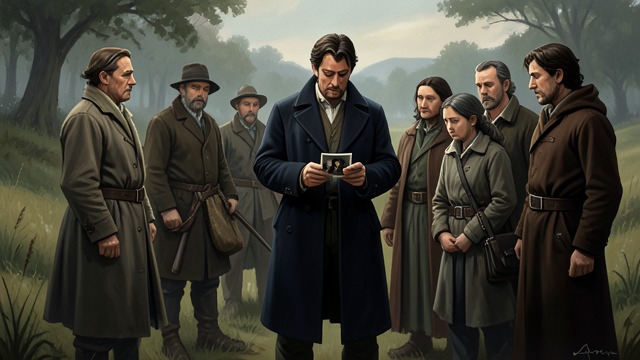
A story of profound loss
Milling recounts the deaths of Evelyn and June in a controlled, vivid narrative. His account invites sympathy and helps Carag understand why he hates hunters.
A narrative used to recruit
Milling places his later pursuit of power inside the story of bereavement, making revenge sound like an answer to injustice. Carag senses the danger in the story's direction even before the alliance is stated openly.
Lou's Line on the Board
Lou's Line on the Board
A written thought
Lou writes that a person remains alive while still dreaming. Carag notices the line because it seems to speak to his own uncertainties about leaving home and finding belonging.
Words as recognition
The sentence does not solve Carag's problems, but it gives him an early point of connection to Lou. Later conversation deepens that connection, showing how small written thoughts can make another person visible.
Before Carag's first narrated memory
During Carag's childhood
During Carag's early Comportment lessons
During the Sierra Lodge dinner
During Carag's first lunch
