
Cuba’s Transformation
World War ZThis flow traces how Cuba turns isolation, refugee pressure, and wartime necessity into political and economic transformation.
increasing Bearing strength in each event
 decreasing
Bearing strength in each eventdecreasingFortress Island
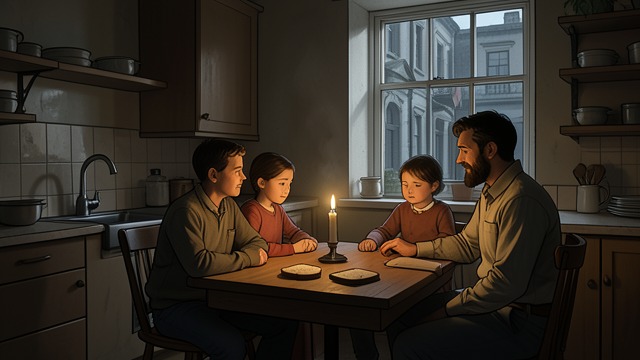
Fortress Island
Deprivation
Seryosha Garcia Alvarez remembers rationed food, rationed fuel, and political isolation.
Control
The government uses foreign hostility to justify domestic obedience.
Preparation
The same authoritarian infrastructure later enables rapid containment.
Maritime Invasion
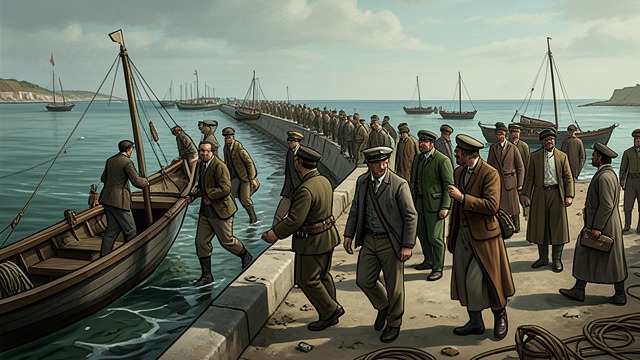
Maritime Invasion
Boat People
Cuba receives refugees from the United States, Latin America, Europe, and Africa.
Containment
The Quarantine Resettlement Program turns newcomers into controlled agricultural labor.
Tension
Humanitarian refuge and political imprisonment become difficult to distinguish.
Labor Integration
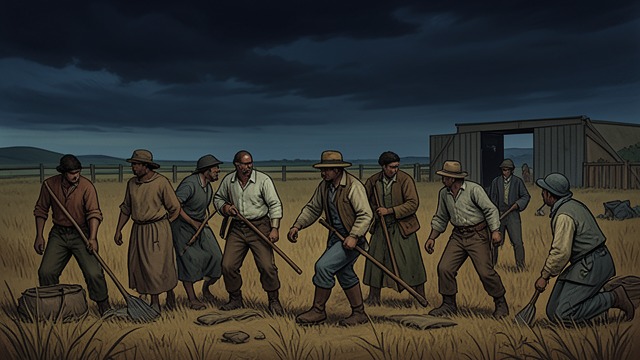
Labor Integration
Parole
Some detainees work outside the wire to earn freedom for others.
Exchange
The system gradually dissolves the camps and creates Nortecubano communities.
Shift
Refugees become a source of skills rather than only a security threat.
Arsenal Of Victory
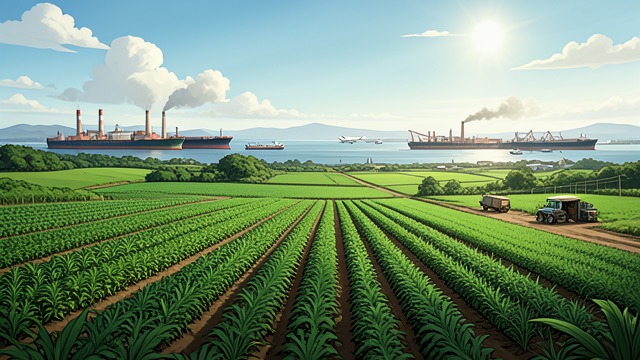
Arsenal Of Victory
Production
Cuba becomes a breadbasket, training ground, manufacturing center, air hub, and naval base.
Partnership
Cuban institutions and foreign refugees depend on each other.
Transformation
Emergency cooperation creates the material basis for political change.
Peaceful Succession

Peaceful Succession
Elections
The old leader presides over elections that remove him from power.
Compromise
Cuba emerges as a contentious but functioning democracy.
Lesson
The crisis does not produce purity; it produces a society willing to live with disagreement.
before the Great Panic
during the initial global collapse
after the refugee camps open
during the Allied counteroffensive
after the war
