
The Whale Loss
World War ZThis flow traces the ecological aftermath of the war through the disappearance of the world’s great whales.
increasing Bearing strength in each event
 decreasing
Bearing strength in each eventdecreasingRefugee Fleets
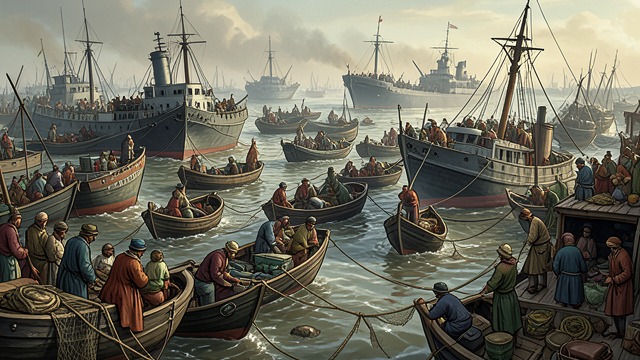
Refugee Fleets
Pressure
Millions of refugees and military vessels crowd the oceans.
Conversion
Navies become fishing fleets to feed populations on land and sea.
Ecological Cost
Emergency survival transforms the ocean into an extraction zone.
Sonar Hunting
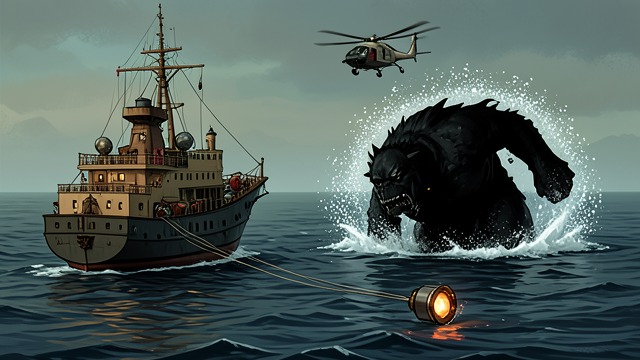
Sonar Hunting
Method
Ships use explosives and aircraft to stun whales before capture.
Efficiency
A single underwater blast can disable an animal without visibly damaging the fleet.
Consequence
The ocean’s largest creatures become unintended casualties of human survival.
Vanishing Giants
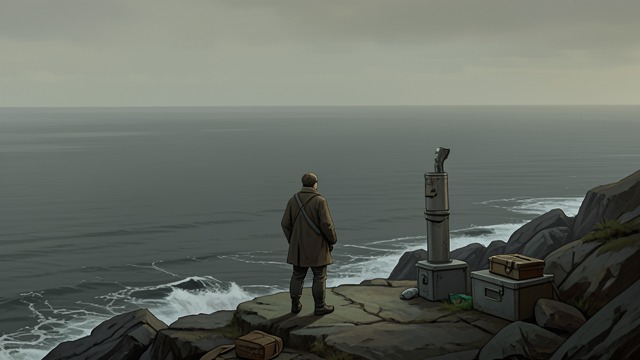
Vanishing Giants
Extinction
Blue, gray, finback, humpback, and right whales disappear from most waters.
Memory
Michael Choi remembers their former trust and power.
Grief
The loss becomes a measure of what humanity saved and what it destroyed.
Irreplaceable Species

Irreplaceable Species
Limits
Genetic archives might preserve records but cannot recreate living populations.
Comparison
Humanity rebuilds cities and economies more easily than it restores ecological complexity.
Warning
The whales reveal that victory over the undead is not victory over consequence.
Tell It To The Whales
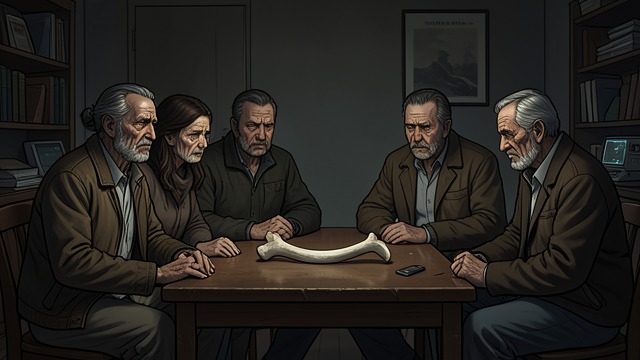
Tell It To The Whales
Debate
Survivors describe the war’s loss as innocence or humanity.
Rebuttal
Michael Choi points toward species erased by practical decisions.
Judgment
The final measure of survival includes lives that cannot speak for themselves.
during the maritime evacuation
during the late war
after the war’s maritime campaigns
postwar ecological recovery
final postwar reflections
