
The Korean Silence
World War ZThis flow follows the mystery of North Korea’s disappearance and the fear that indirectly strengthens South Korea.
increasing Bearing strength in each event
 decreasing
Bearing strength in each eventdecreasingPerfect Preparation
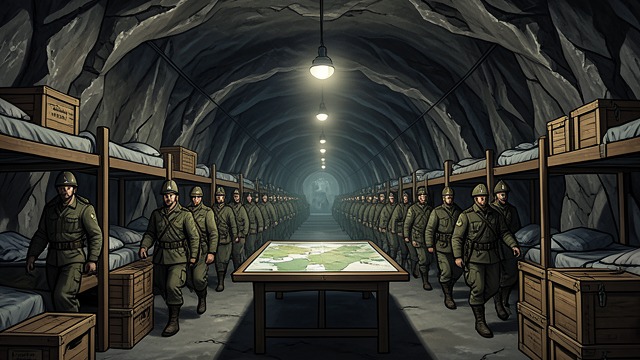
Perfect Preparation
Militarized State
North Korea possesses tunnels, reserves, fortified terrain, and mass discipline.
Advantage
Its authoritarian structure appears ideal for total mobilization.
Expectation
South Korean intelligence predicts that the North should survive better than almost anyone.
Closed Border
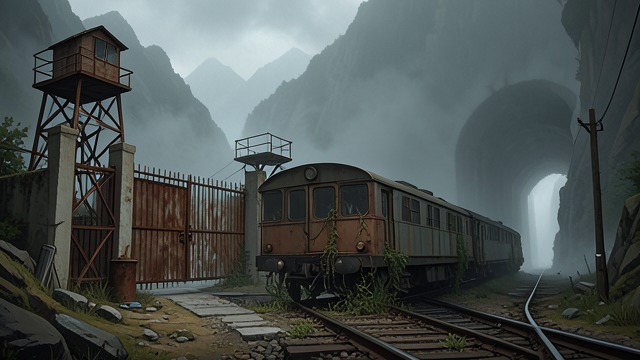
Closed Border
Severance
North Korea ends diplomatic relations and closes the railway.
Disappearance
Border troops, spies, radio channels, and civilians vanish from observation.
Mystery
The silence is more frightening than an explicit military threat.
South Korean Crisis
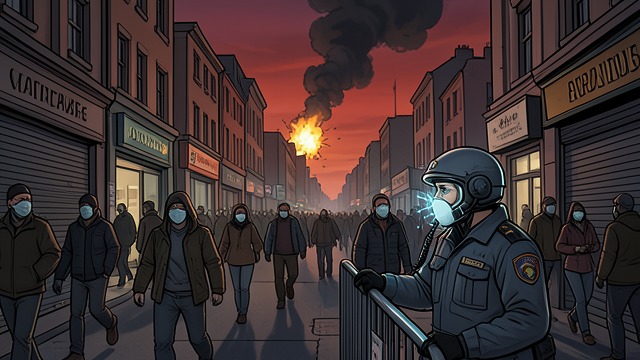
South Korean Crisis
Pressure
South Korea faces outbreaks, evacuations, and a divided military response.
Fear
Officials worry that North Korea will exploit the crisis.
Irony
The old enemy’s silence becomes a psychological force holding South Korea together.
The Subterranean Theory
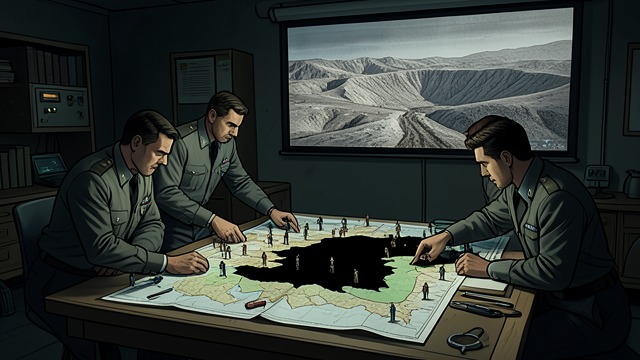
The Subterranean Theory
Possibilities
Analysts imagine hidden cities, totalitarian control, or millions of underground undead.
Uncertainty
No evidence confirms whether the population survives or has been transformed.
Obsession
The unanswered question becomes a permanent wound in regional security.
The Locked North
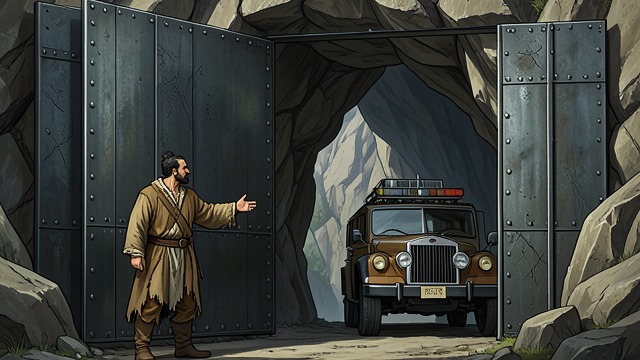
The Locked North
Blocked Expedition
Hyungchol Choi repeatedly asks to enter the North and is refused.
Risk
Mines, automated weapons, and unknown underground systems make investigation dangerous.
Legacy
The war ends without resolving whether isolation saved the North or buried it alive.
before the Korean outbreaks
one month before South Korean outbreaks
during the outbreaks in Seoul
after the war’s first stabilization
postwar South Korea
