
The Civic Future
World War ZThis flow follows the reconstruction of ordinary citizenship through neighborhood defense, shared housing, and democratic accountability.
increasing Bearing strength in each event
 decreasing
Bearing strength in each eventdecreasingNeighborhood Patrols
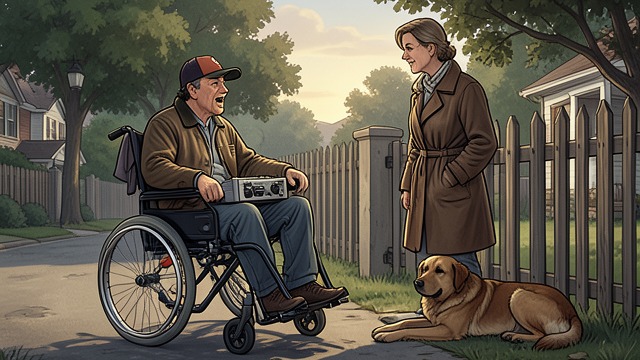
Neighborhood Patrols
Local Defense
Joe Muhammad joins Neighborhood Security Teams despite his disability.
Practical Rule
Teams inspect homes, maintain watch schedules, and respond to threats.
Belonging
Protection becomes a shared neighborhood obligation rather than a distant government service.
Shared Houses
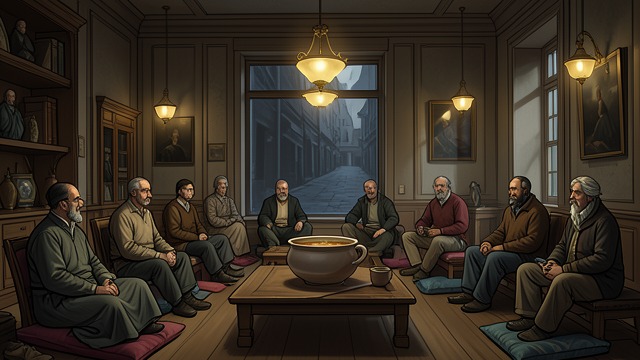
Shared Houses
Resettlement
Families from distant regions move into homes abandoned by the dead.
Unease
Formerly private households learn to share space and night watch.
Trust
Routine contact gradually turns strangers into neighbors.
The Wheelchair Defense
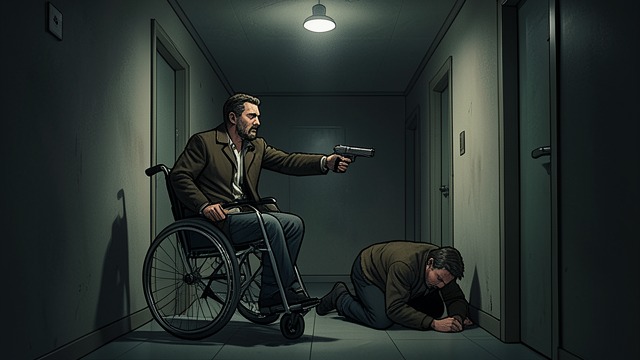
The Wheelchair Defense
Vulnerability
Joe Muhammad is attacked by a legless undead creature behind his chair.
Response
The chair gives him the seconds needed to draw and fire.
Meaning
His disability is not erased or romanticized; it becomes part of a viable civic role.
A Human Loafer
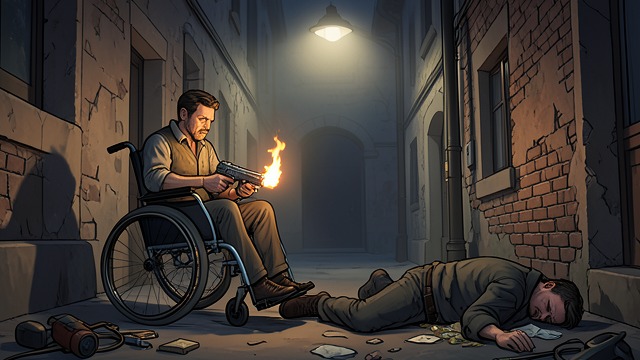
A Human Loafer
Encounter
Joe Muhammad confronts a professional looter and kills him in self-defense.
Law
New emergency punishments reduce conventional crime through public shame and labor.
Question
Security protects community while risking the normalization of coercion.
The Shared Memorial
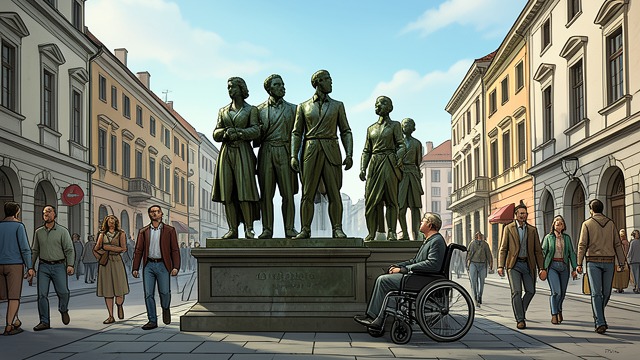
The Shared Memorial
Sculpture
Joe Muhammad creates a monument to ordinary citizens protecting one another.
Representation
The memorial includes standing people and a seated wheelchair user.
Legacy
Art converts emergency cooperation into a civic ideal for future generations.
early western safe-zone period
first refugee resettlements
during local clearances
during postwar policing
postwar civic rebuilding
