The Manihi engagement
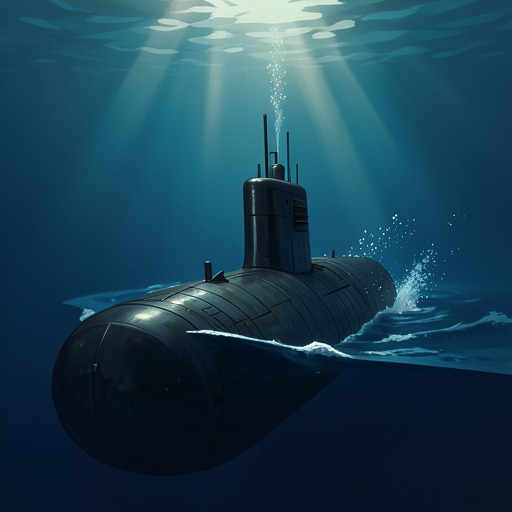
World War ZThe Manihi engagement is a decisive underwater confrontation during the Chinese submarine exodus, transforming a temporary refuge at Manihi into a battlefield. After the Madrid Spirit is destroyed by a missile and the island’s civilian population is placed in danger, the crew of the Zheng must flee, evade a technologically advanced Type 95 hunter-killer, and survive an attack by hundreds of Zombies on the submarine’s hull. The engagement ends with the Zheng destroying the pursuing vessel, but victory is inseparable from dread: the captain’s tactical brilliance saves his crew while the sounds of the sinking submarine extinguish his inner calm.
From Refuge to Threat
The engagement begins after the crew has spent several months on a small island community, gradually ceasing to think of themselves as fugitives. The island has seemed capable of becoming a temporary home while China disintegrates: Chinese families report that more than half the population is infected and that the army’s reserves are evaporating, yet the crew believes the mainland’s collapse may leave them undisturbed. That fragile security is shattered during a night shore patrol, when the narrator and Commander Song stop beside a campfire to listen to an island radio broadcast about a mysterious natural disaster in China.
The first visible sign of the crisis is not an enemy submarine but the sea itself, which suddenly begins to glow. The narrator turns in time to see the Madrid Spirit explode. Its fireball rises into the night and incinerates all life on the two nearest motus. The narrator initially assumes that the disaster is an accident involving a corroded valve or careless deckhand, but Commander Song has seen the missile streak. A half second later, the foghorn of the Admiral Zheng sounds, converting catastrophe into an immediate military emergency.
The Submarine Is Forced into Combat
As the crew races back to the boat, the narrator’s wall of calm collapses. The missile must have come from one of their own submarines, and the Madrid Spirit was struck because it sat higher in the water and presented a larger radar outline. The scale of the possible casualties becomes clear only after the explosion: the ship’s passengers and the people on the nearby motus may all be dead, and the civilian islanders remain exposed to another attack. Captain Chen appears to recognize the same danger. Once the crew reaches the deck, orders are given to cast off; power lines are cut, personnel are counted, hatches are secured, and the Zheng dives toward open water at battle stations.
At ninety meters, the crew deploys its towed-array sonar and detects the hull-popping noises of another submarine changing depth. The sounds are not the flexible groaning of steel but the rapid popping associated with brittle titanium. Only the Russian Federation and China use titanium hulls in their attack boats, and the blade count identifies the pursuer as one of China’s new Type 95 hunter-killers. Two are in service, so the crew cannot determine which one is attacking. The uncertainty matters less than the implication: the Zheng is being hunted by a vessel from its own side.
Captain Chen initially refuses to fight. He takes the Zheng down to a sandy plateau at the bare limit of its crush depth, using the ocean floor to defeat the Type 95’s active sonar. The pursuing submarine’s sound pulses echo through the water without finding a fix. When the Type 95 switches to passive sonar, the Zheng reduces its reactor to marginal output, shuts down unnecessary machinery, and halts all movement. For half an hour the crew barely breathes, unable to tell whether the hunter remains nearby and unable to hear its propeller. The battle is therefore defined first by immobility: survival depends on becoming indistinguishable from the seabed.
Zombies on the Hull
The silence reveals a second danger. Lieutenant Liu detects a scraping sound around the Zheng, closer than the enemy submarine. Through headphones, the narrator hears something like rats scratching. It cannot be ordinary bottom flow, and the possibility of biological contact suggests that thousands of creatures may be surrounding the boat. A scope observation risks alerting the Type 95, but Captain Chen permits it. The image confirms the worst interpretation: hundreds of Zombies are swarming over the submarine’s hull, with more arriving every second across the barren sand. They climb over one another to claw, scrape, and bite the steel.
The Zombies cannot enter through the sealed hatches or the protected torpedo tubes, but they can still threaten the reactor. The Zheng’s reactor is cooled by circulating seawater, and one Zombie rips away the guard on the number four intake before lodging itself in the conduit. As the core temperature rises, Captain Chen faces a choice with no safe solution. Shutting down the reactor would leave the boat powerless; remaining on the bottom risks overheating. The undead swarm turns the submarine’s own life-support system into a vulnerability and forces the crew to move even though movement will expose them to the hunter.
The Zheng lifts off the seabed as slowly and quietly as possible, but the effort fails. The Type 95 detects the change and begins closing for the attack. The crew hears its torpedo tubes flood and the outer doors open. Captain Chen orders the Zheng’s sonar to go active, sacrificing concealment in exchange for an exact firing solution. Both submarines fire simultaneously, their torpedoes passing each other as each attempts to evade. The Type 95 is faster and more maneuverable, yet Captain Chen understands precisely how to avoid the incoming torpedoes. The Zheng dodges, while its own weapons reach their targets.
Victory and Its Price
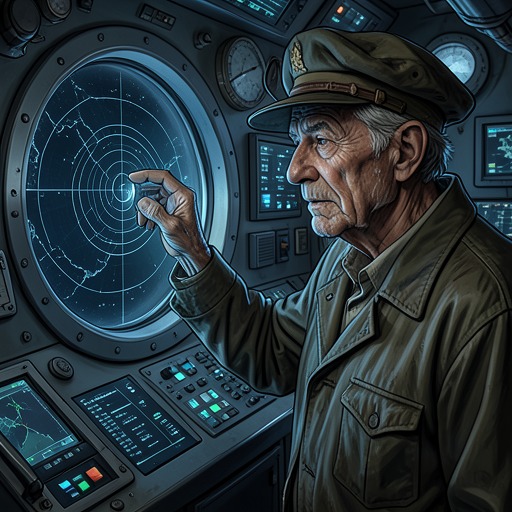
The destruction of the Type 95 is heard rather than seen. Its hull screeches, and its bulkheads collapse as the compartments implode one after another. The narrator imagines that the crew dies quickly and painlessly, because the alternative is unbearable to contemplate. The Zheng has survived the Manihi engagement, but the victory is not triumphant. The light dies from Captain Chen’s eyes as he hears the doomed submarine go down. His tactical success has required him to destroy a Chinese vessel, and the battle leaves him personally altered even as it saves everyone aboard his own boat.
The engagement’s meaning extends beyond the immediate duel. Across the wider crisis, animals and the infected repeatedly expose the limits of human control. On a Himalayan road, monkeys flee the Zombies while refugees fall from an overcrowded, unguarded mountain track; military dogs are trained to identify infection, escort long-range missions, and fight feral packs; F-lions hunt in ecosystems transformed by corpses and proliferating rats. At sea, the same war turns whales into casualties when navies become fishing fleets and helicopters use torpedoes to deafen them before factory ships kill them. The Manihi engagement belongs to this larger pattern: military technology, human panic, and altered animal life converge until even the ocean floor and a submarine’s cooling intake become contested terrain.
Narrative Significance
The episode is presented as a recollected battle rather than detached military history. The narrator’s account moves from the island’s deceptive calm to the Madrid Spirit’s explosion, from the forced evacuation to the silent seabed, and finally from hidden Zombies to open torpedo combat. Each apparent solution creates a new exposure: escape reveals the hunter, concealment allows the Zombies to block the reactor, and movement permits the Type 95 to attack. The value at stake shifts from security to immediate survival, then from survival to irreversible moral injury.
The Manihi engagement also clarifies the broader political and military atmosphere of the Chinese exodus. The threat is not simply an external enemy; the attacking submarine is one of China’s own Type 95 boats, and the destruction of the Madrid Spirit may already have resulted from internal military action. Captain Chen’s decision to fight is therefore both defensive and fratricidal. The Zheng wins because its captain possesses the judgment needed to exploit the enemy’s weakness, but the scene refuses to separate competence from grief. Its final image is not the enemy’s defeat but the captain’s deadened eyes, making the engagement a survival victory purchased with the loss of moral and emotional safety.