
The Community of Multiple Groups
World of Warcraft Battle For Azeroth, Gameplay, Tips, Characters, Builds, Leveling, Raids, Weapons, Items, Game Guide UnofficialThis flow traces how players balance guild loyalty with the flexibility of belonging to several Communities.
increasing Bearing strength in each event
 decreasing
Bearing strength in each eventdecreasingGuild Attachment
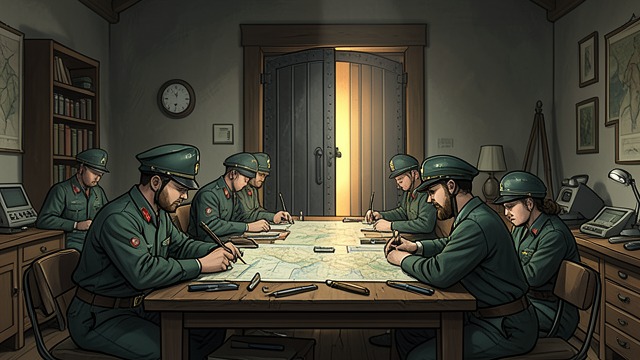
A Server Home
A guild offers a stable social identity rooted in shared server membership.
Familiar Structure
Roles, achievements, and progression features make the guild more than a casual contact list.
The Cost of Stability
Its strength is also its limitation. A player seeking connections beyond the server must look elsewhere.
Cross Server Contact
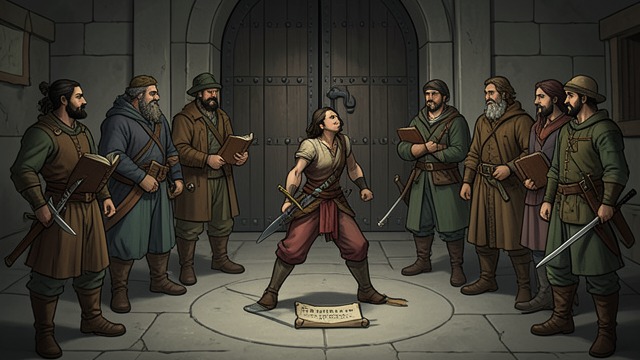
A Wider Circle
Communities allow players from different servers to associate without dissolving existing guild ties.
New Possibilities
The player can find groups shaped by interests or schedules rather than one server’s population.
Attachment Without Relocation
The character gains a broader social world while retaining the original guild as a local anchor.
Multiple Memberships
Layered Belonging
A player can belong to several Communities at once.
Different Social Functions
One group may support activity coordination while another provides a wider network of acquaintances.
Identity Without Exclusivity
The player’s social self becomes plural. Belonging no longer requires choosing one group as the sole community.
Progression Boundary
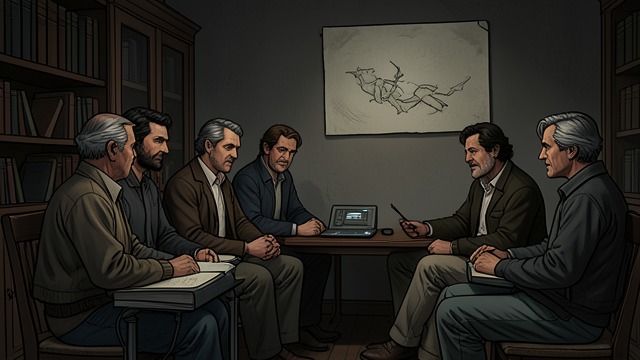
Connection Without Guild Credit
Grouping with Community members does not unlock guild achievements or provide guild leveling benefits.
Emotional and Mechanical Difference
Players may feel socially connected while remaining mechanically outside the guild institution.
A Deliberate Friction
The boundary prevents Communities from making every form of belonging equivalent. Relationships can be broad without carrying every reward.
Balanced Belonging
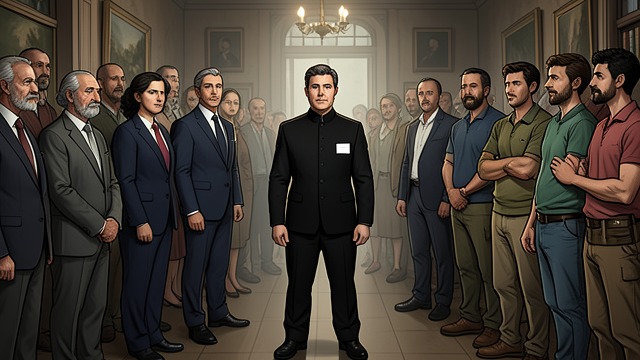
Choosing Several Homes
The player can retain a guild for formal progression and use Communities for flexible cross-server contact.
Complementary Ties
The two structures need not compete completely. Each can answer a different need for organization and companionship.
Resolution
The social arc favors a networked identity: rooted enough to benefit from a guild, open enough to maintain several wider connections.
before Communities are joined
when the player joins a Community
after joining more than one Community
when Community members group together
near the end of the social systems discussion
