
Life and Death as a Second Beginning
You Only Live TwiceThis thread follows the novel’s repeated images of death and renewal, from Bond’s haiku to his survival and amnesia.
increasing Bearing strength in each event
 decreasing
Bearing strength in each eventdecreasingA Poem on the Voyage
A Poem on the Voyage
A new meaning for life
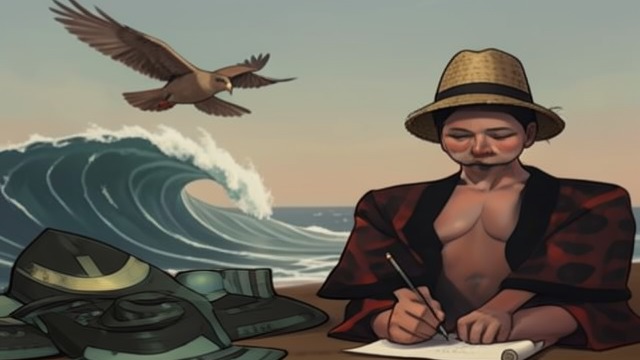
Tiger Tanaka asks Bond to compose a haiku. Bond offers the thought that a person lives twice: once at birth and again when looking death in the face.
The poem transforms danger into a threshold. Bond does not explain its personal meaning, but the coming mission gives the words immediate weight.
An idea tested by action
Tanaka praises the poem while noting that its form does not translate neatly into Japanese. Its emotional force matters more than its formal correctness.
The thought anticipates Bond’s near-death experiences in the castle and sea. It gives the novel a language for renewal without promising that survival will restore the old self.
A Mission Without Fear
A Mission Without Fear
Bond’s stated indifference
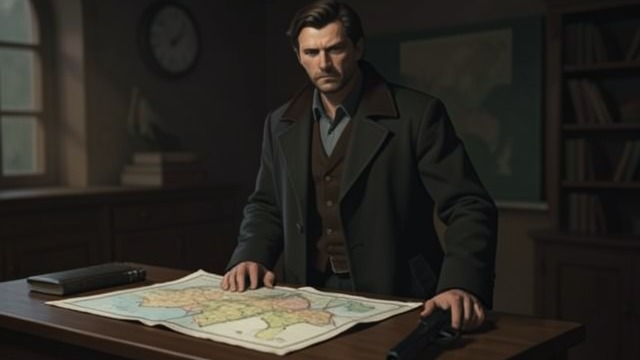
Bond tells Tanaka that he is not particularly concerned about his own safety. He treats the assignment as another dangerous task and rejects Tanaka’s attempt to explain his apparent stoicism.
His confidence is complicated by his grief. The death of Tracy has already weakened his attachment to the life he once knew.
The instinct to continue
Despite his words, Bond trains, observes, and prepares carefully. His actions show a commitment to surviving even when he claims not to value survival.
The contrast suggests that courage is not the absence of fear or attachment. Bond’s willingness to continue can coexist with an unsettled desire to escape himself.
The Living Aftermath
The Living Aftermath
Survival without continuity
Bond’s body heals, but his memory does not return. The man who survives the Castle of Death is therefore separated from the identity and history that made the mission intelligible.
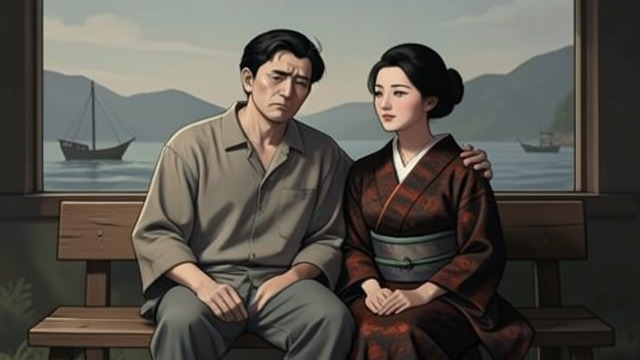
Kissy’s care helps turn survival into a life, rather than merely an escape from immediate death. Work, intimacy, and routine become the foundations of a second beginning.
Renewal remains incomplete
The word Vladivostok draws Bond toward an identity he cannot yet recover. His departure shows that renewal does not erase the past; it may begin with the need to seek it.
The novel’s idea of living twice remains unresolved. Bond has survived death, but whether he can rejoin his former life is left open.
During the crossing of the Inland Sea
During the voyage south to Kyushu
After Bond’s recovery on Kuro Island
