
Tanaka’s Burden of War
You Only Live TwiceThis thread follows Tiger Tanaka’s wartime past and the way its memories inform his ideas of loyalty, death, and national identity.
increasing Bearing strength in each event
 decreasing
Bearing strength in each eventdecreasingThe Former Spy
The Former Spy
Service abroad
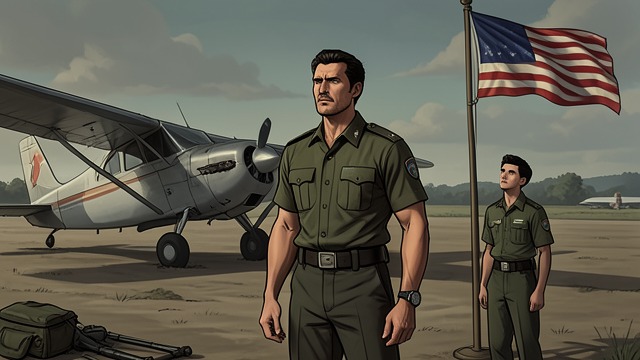
Tiger Tanaka recalls working in Berlin and Rome before returning to Japan to train as a kamikaze pilot. He had spent much of the war away from the front, but news of his country’s losses made him feel that he should take part in its defense.
His account shows a man whose intelligence career and military identity were intertwined. The decision to risk his life came from a belief that service demanded more than observation.
A choice interrupted
Tanaka joined the training program as a mature man prepared to die. Japan’s surrender arrived before he could carry out a mission.
He survives, but survival does not erase the intensity of his commitment. The unrealized attack remains a cherished and troubling possibility in his memory.
The Meaning of the Attack
The Meaning of the Attack
A remembered ideal
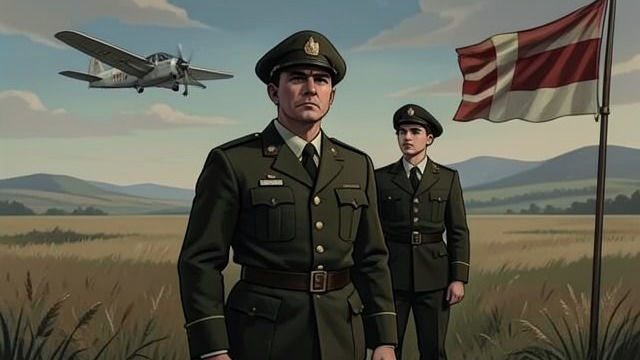
Tanaka describes the pilots’ commitment and the tactics of striking vulnerable sections of enemy carriers. He remembers the launches as both beautiful and terrible, carried out by young men who believed they were flying toward their ancestors.
Bond asks whether the loss of thousands of young pilots was worth the damage inflicted. Tanaka answers by emphasizing the scale of their claimed success.
Pride and unease
Tanaka’s account makes clear that he still sees the operations as a glorious chapter in Japan’s history. Bond, by contrast, sees a terrible waste of life.
Their disagreement reveals how memory gives sacrifice different meanings. For Tanaka, national defense dignifies death; for Bond, survival and the lives lost remain central measures.
A Debt Beyond Defeat
A Debt Beyond Defeat
The past revisited
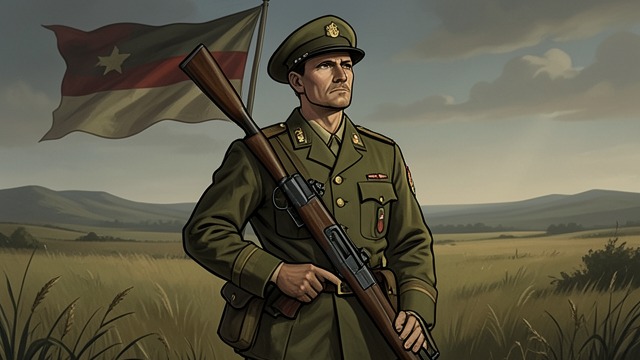
Tanaka remembers the years when he spied for Japan in Britain and recognizes that his service left a debt behind. He describes the defeat of Japan as an unfinished matter of national and personal accounting.
His wartime history helps explain why he is alert to questions of honor and obligation. He does not see the past as a closed chapter simply because political circumstances have changed.
A different kind of service
By sharing intelligence with Bond, Tanaka makes a private choice that differs from his earlier service to Japan. His action is not an abandonment of his country but a decision about what he owes to people who once trusted him.
The character’s fate is shaped by the transition from defeated wartime agent to powerful postwar official. He remains both a product of his past and an independent judge of his present duties.
Before Japan’s surrender, during World War II
During Tanaka’s recollection in Toba
During Tanaka’s disclosure of Soviet intelligence
