
The United States and Japan After Defeat
You Only Live TwiceThis thread traces the novel’s competing views of American influence in Japan and the unresolved cultural tension left by occupation.
increasing Bearing strength in each event
 decreasing
Bearing strength in each eventdecreasingThe Occupation’s Surface
The Occupation’s Surface
American influence in daily life
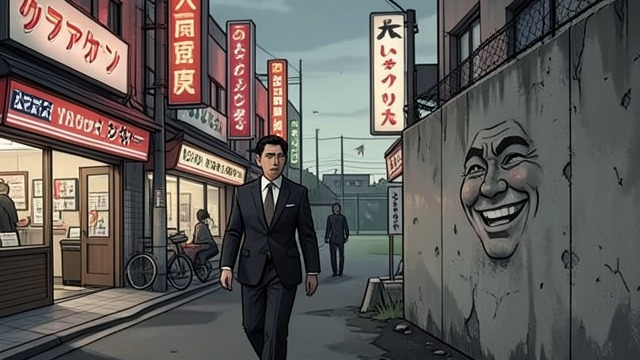
Tiger Tanaka describes Japan’s postwar Americanization through baseball, hot dogs, neon entertainment, and consumer culture. He sees these changes as visible signs of defeat rather than as a settled transformation of Japanese identity.
His language expresses resentment at the occupation’s cultural effects. He believes that the imported surface may be temporary even when it appears dominant.
A contested national future
Bond challenges Tanaka by noting that Japan itself is officially encouraging some of the same changes. Their disagreement exposes the tension between government policy and private feeling.
The novel treats cultural influence as a struggle over who gets to define modern life. Tanaka’s anger is rooted in both national pride and the memory of defeat.
Defeat Remembered
Defeat Remembered
History beneath courtesy
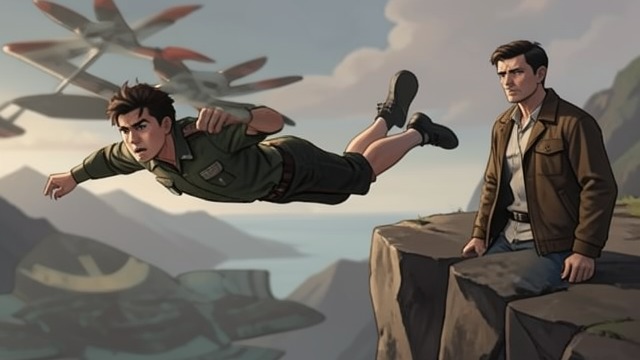
Tanaka recalls Japan’s wartime ambitions and the shock of surrender after the atomic bombings. He understands his current position within a country reshaped by military defeat and foreign power.
His account of kamikaze training gives that history an intimate dimension. The past is not only national policy but a memory of young people preparing to die.
A mixed inheritance
Bond listens without accepting Tanaka’s idealization of sacrifice. He recognizes the force of the memory even as he questions its moral conclusions.
The discussion shows that postwar cooperation does not erase historical grievance. Friendship between the men exists alongside different interpretations of the events that shaped their countries.
Alliance Without Cultural Agreement
Alliance Without Cultural Agreement
Shared interests, divided judgments
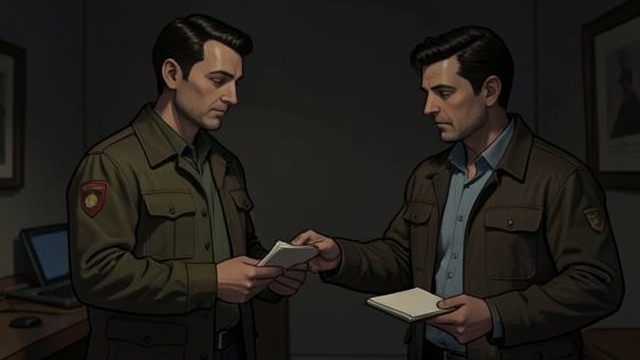
Britain seeks access to intelligence held by Japan, while the United States attempts to preserve its influence and protect its sources. Tanaka operates among these interests without claiming that the countries share the same priorities.
His personal cooperation with Bond does not erase his criticism of Western power or his memories of occupation. Practical trust develops without cultural agreement.
A fragile partnership
Bond and Tanaka succeed through personal judgment, not through a simple assumption that allies always act alike. Their relationship bridges a political divide without resolving it.
The mission suggests that cooperation is possible even when historical grievances persist. It also remains dependent on individuals who can act beyond the narrowest demands of national alignment.
During Tanaka’s first discussion of Japan’s foreign residents
During Bond and Tanaka’s conversation about the war
During Bond’s negotiation over Japanese intelligence
