
Obligation, Face, and Secrecy
You Only Live TwiceThis thread explores how the duties of face, obligation, and secrecy shape decisions among Bond, Tanaka, and the people of Kuro.
increasing Bearing strength in each event
 decreasing
Bearing strength in each eventdecreasingThe Weight of ON
The Weight of ON
Debts that outlast a favor
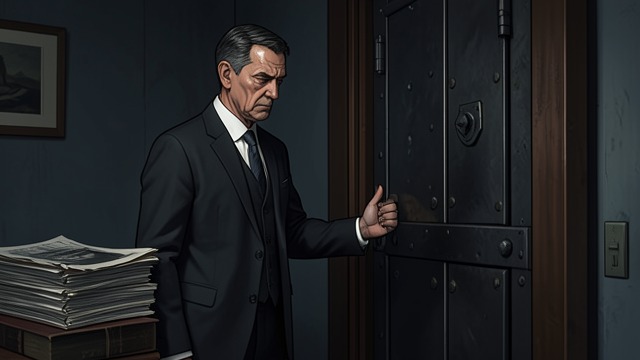
Richard Lovelace Henderson explains that an obligation in Japanese social life can be difficult to discharge. A gift or favor may create a continuing debt whose value depends on the response it receives.
He believes Tanaka’s debt to him has helped Bond obtain an early audience. The favor is therefore not an isolated act but part of a continuing relationship.
Exchange as moral accounting
Henderson’s account helps Bond understand why an intelligence concession might be offered and why a larger countergift could be expected. Social obligation becomes a framework for negotiation.
The idea also complicates loyalty. A person may owe duties to friends, superiors, state, and country at the same time, without a simple way to satisfy all of them.
Honor in Conflict

Honor in Conflict
A promise confronted by need
Bond has sworn not to disclose the Soviet message, yet he recognizes how valuable it would be to Britain. Tanaka’s own duty to American partners conflicts with his sense of debt and friendship.
Neither man can reduce the decision to simple obedience. Each weighs formal commitments against obligations that feel more immediate and personal.
A choice made privately
Tanaka decides that his responsibility to Britain and his judgment of Bond justify the disclosure. He frames the choice as a personal accounting rather than a general repudiation of Japan’s alliances.
The scene presents honor as a pattern of decisions, not a fixed rule. Duty can be compelling while still leaving room for judgment about what the situation demands.
Shiran-Kao on Kuro
Shiran-Kao on Kuro
A community protects a secret
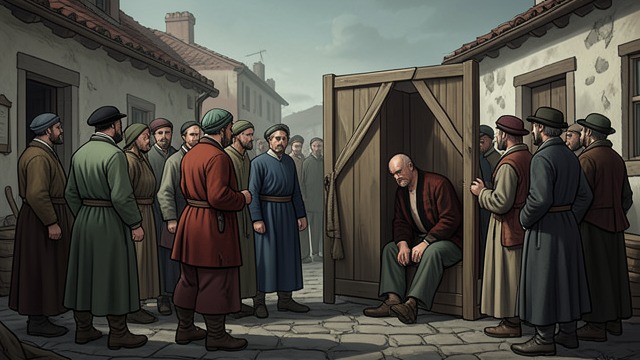
After Bond loses his memory, the priest and villagers conceal his identity from repeated visitors. When officials and Tanaka come asking questions, the islanders maintain a face of apparent ignorance.
Their silence protects a wounded man who cannot explain himself. It is a collective choice, not merely Kissy’s private deception.
Secrecy and care
The island’s convention of withholding knowledge becomes a form of sanctuary. It allows Bond to heal and Kissy to care for him without immediate interference from outside authorities.
The same secrecy also delays Bond’s return to his former life. Protection and concealment are inseparable, leaving the moral cost to emerge only when memory begins to return.
During Henderson’s explanation on Bond’s first night in Tokyo
During Bond and Tanaka’s discussion of the secret message
During the months Bond lives on Kuro after his injury
