Irma Bunt
You Only Live TwiceIrma Bunt is Ernst Stavro Blofeld’s close accomplice at the Castle of Death: a former wardress whose trained eye identifies James Bond beneath his disguise and whose participation extends from their criminal enterprise to its violent defence. She helps turn Bond’s past into the means of exposing him, then becomes one of the first targets when he fights back.
Appearance and Recognition
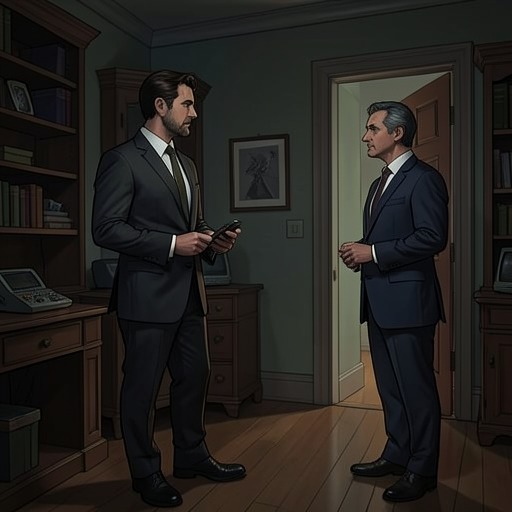
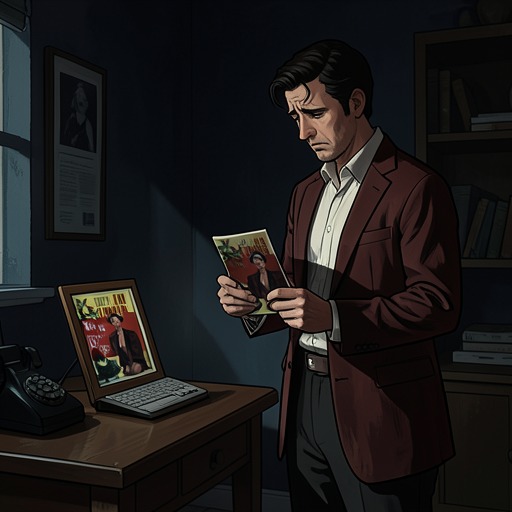
Bond first identifies Bunt through a photograph supplied by the Superintendent. Her face—the flat, ugly look he associates with a wardress, dull eyes, and hair scraped back in a bun—connects the image to a figure he already knows. The recognition is not based on a name alone: Bond remembers the person who had held a place in his nightmares, and the photograph confirms that the enemies he had pursued have hidden themselves in this remote part of Japan.
When Bond later sees her in the castle grounds, the disguise of her appearance has changed without making her less recognizable. She wears a plastic rainproof garment above tall rubber boots, and a dark-green, wide-brimmed beekeeper’s hat with a black veil hides her face. Her short, dumpy silhouette and the way she walks are enough for Bond to know her. She is beside Blofeld, who wears chain armour and a spiked, winged helmet and carries a naked samurai sword. The grotesque pairing makes her both a familiar human threat and part of the castle’s theatrical display of menace.
Partner in the Castle’s Enterprise
Bunt’s role reaches beyond guarding the castle or assisting with an individual interrogation. In conversation with Blofeld, she asks what they will do as scrutiny grows around the deaths. Blofeld’s answer is that they will seek massive compensation and repeat the pattern elsewhere, adapting the attractions to local circumstances. He imagines sites such as a waterfall, bridge, or vertiginous drop in Brazil or another part of South America. Bunt replies that the numbers would be much smaller.
The exchange places her inside the enterprise’s practical planning. The pair discuss deaths as figures, the possibility of public inquiry, and the future locations and methods of their scheme. Blofeld calls the killings a public service to people who wish to die; Bond rejects that account as a disguise for murder. Bunt’s question about what comes next and her attention to the projected scale of the deaths show her participating in the conversation that sustains the operation. The contrast between the language of service and compensation, and the human violence behind it, gives her partnership with Blofeld its chillingly administrative dimension.
The Expert Identification of James Bond
When Bond is brought before Blofeld, his cover presents him as a deaf-and-dumb miner from Fukuoka, supported by papers that appear in order. Blofeld already doubts the story, noting Bond’s broken nails and questioning whether his hands belong to a miner. He asks Bunt to assess the prisoner. She rises, studies Bond at close range, and slowly circles him while keeping her distance. Her inspection turns the uncertainty around his disguise into recognition.
Bunt identifies the scar down Bond’s right cheek, his profile, and the upward tilt of eyebrows shaved to alter his appearance. From these details she concludes that the prisoner is the English agent James Bond, the man whose wife Blofeld killed and who had previously operated under the name Sir Hilary Bray. She insists that Blofeld believe her. Her knowledge is therefore personal as well as observational: she connects Bond not only to his covert identity but to the killing that makes the encounter an old feud. Blofeld initially sees only a resemblance and asks how Bond found him; Bunt supplies the decisive identification and directs the scene toward the danger he represents.
Violence and Narrative Role
After the interrogation’s ordeal, Blofeld accepts that Bunt was right and says she should be rewarded with another string of grey pearls from Mikimoto. The compliment and promised gift briefly present their partnership as intimate and domestic, even as they agree that Bond must be made to speak and then killed. Bunt insists that he must speak first. The tenderness of their forms of address does not soften the purpose they share: she remains beside Blofeld as he prepares to finish his captive.
When Blofeld raises his sword, Bond acts on an opportunity he has noticed earlier: a guard’s stave remains in a shadowed corner, while a bell-push is near Bunt. He judges that she must be dealt with before she can reach it, seizes the stave, and strikes the side of her head. She falls forward from her chair and lies still. Bond’s blow removes her from the immediate fight, but the episode does not establish that she is dead. Her abrupt incapacitation marks the reversal from interrogation to combat: the woman who had exposed Bond’s identity and stood with Blofeld is now vulnerable to the improvised weapon he has found. Bunt’s function in this confrontation is sharply defined by her actions—recognition, insistence, and an attempted call for help—rather than by any account of remorse or a change of allegiance.