
The Screenplay That Collapses
You Should Have LeftThis flow follows the unnamed narrator’s attempt to write a sequel until the fictional world and his actual life exchange places.
increasing Bearing strength in each event
 decreasing
Bearing strength in each eventdecreasingSequel Assignment
Sequel Assignment
Commercial Obligation
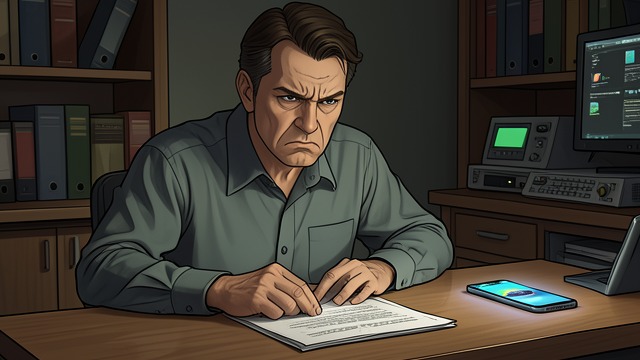
The unnamed narrator comes to the Vacation House to write the sequel to Besties, a successful comedy that finances the family’s home. Schmidt’s friendly pressure conceals a producer’s deadline and the threat of replacement.
Art and Survival
The narrator wants to regard screenwriting as serious art, while Susanna sees his defensiveness as vanity. The sequel therefore begins as both a professional task and an argument about the value of his life’s work.
Imaginary Opening
Imaginary Opening
Comic Violence
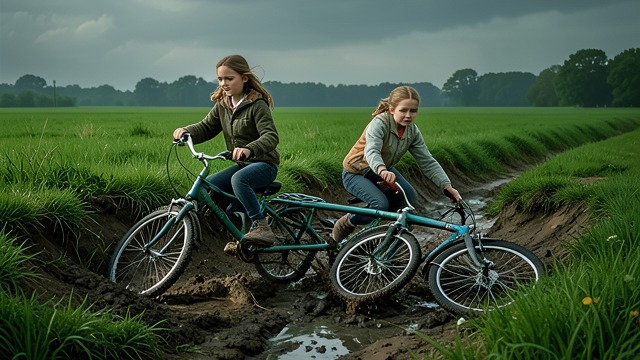
The sequel opens with Jana and Ella on a tandem bicycle, enjoying a pastoral ride before crashing. The sudden accident establishes a tonal promise: cheerful surfaces will conceal instability.
Fictional Control
The unnamed narrator treats the scene as something he can revise at will. Yet the contrast between idyllic motion and abrupt catastrophe begins to echo the family’s own movement toward disaster.
Characters Without Histories
Characters Without Histories
The Missing Backstory
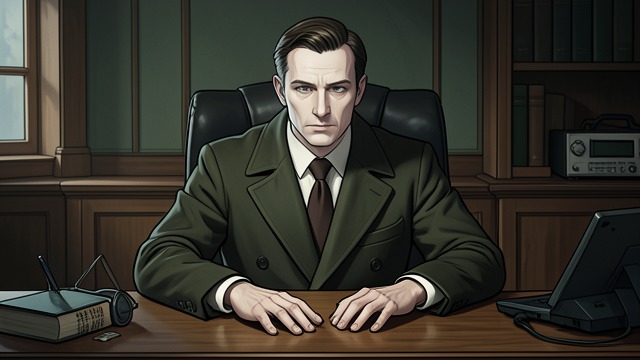
The unnamed narrator realizes that he knows almost nothing about Jana or Ella’s childhood. His confidence as a teacher and professional writer is exposed as performance rather than mastery.
Fictional Emptiness
Because the characters lack inner histories, their future scenes are built from formulas, timing, and anticipated audience reactions. This emptiness parallels the narrator’s inability to understand the people closest to him.
The Sequel Disappears
The Sequel Disappears
Failed Recall
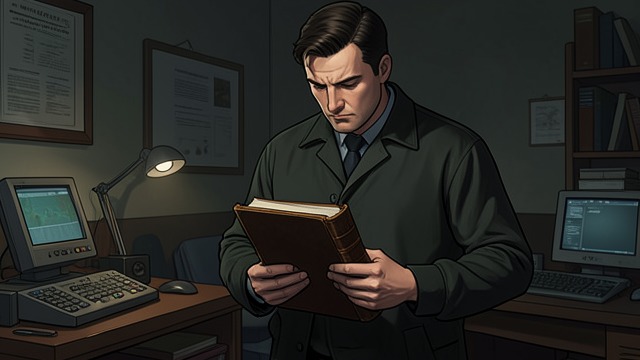
When Schmidt asks for a pitch, the unnamed narrator cannot remember the scenes and jokes he had carefully developed. The notebook contains observations of driving, shopping, and fear, but the fictional plot has vanished.
Life Replaces Fiction
The disappearance shows that the house has redirected his attention from invented conflict to immediate experience. His professional identity collapses at the moment when his domestic and supernatural crises become total.
Notebook as Last Witness
Notebook as Last Witness
Recording the Impossible
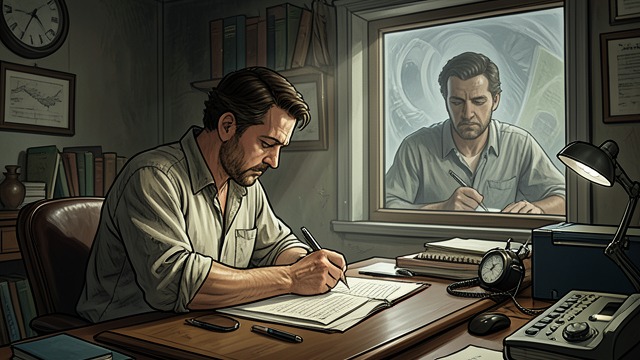
The unnamed narrator continues writing after the family has separated and the house has become spatially unstable. The notebook preserves his account even as memory, time, and identity fragment.
A Writer Without Readers
Writing no longer serves a producer or an audience. It becomes a desperate attempt to leave evidence for an unknown discoverer, turning the screenplay writer into the unreliable chronicler of his own disappearance.
December 2 morning
December 2 afternoon
December 3 morning
December 6 morning
December 7 evening
