
The Marriage Conflict
You Should Have LeftThis flow traces the couple’s marital conflict from habitual irritation through the discovery of Infidelity and emotional rupture.
increasing Bearing strength in each event
 decreasing
Bearing strength in each eventdecreasingArtistic Resentment
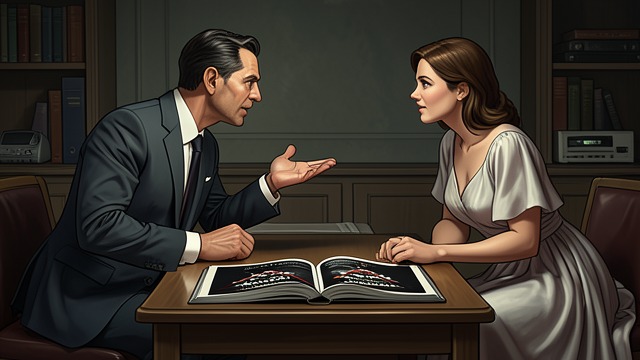
Artistic Resentment
The Work Argument
Susanna questions whether the unnamed narrator’s screenplay deserves to be called art. He responds by defending celebrated films and invoking the commercial success that pays their mortgage.
Status and Dependence
The argument reveals unequal education, professional pride, and financial dependence. Their marriage is sustained partly by the very work that humiliates the narrator.
The Peaceful Interlude
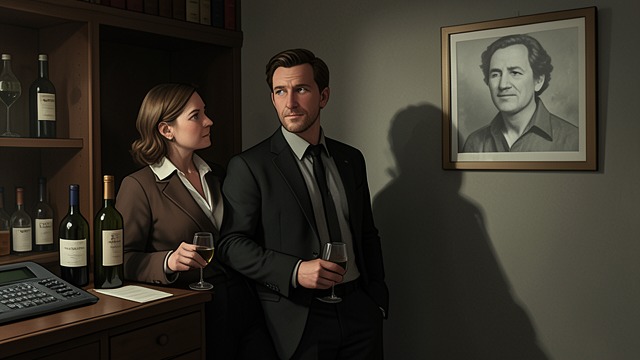
The Peaceful Interlude
Shared Remembrance
The couple drink wine and reconstruct their early courtship. Their conversation makes reconciliation possible because both briefly recognize the people they were before family pressures.
Unstable Peace
The intimacy does not resolve their habits of irritation. It functions instead as a tragic measure of what will be lost when the marriage’s hidden conflict surfaces.
Suspicion in Silence
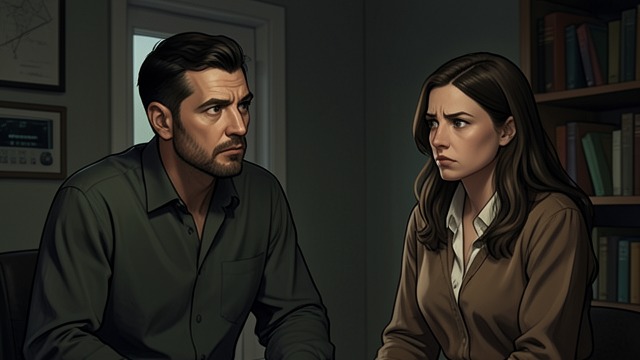
Suspicion in Silence
Strange Behavior
After the narrator experiences reflections and spatial distortions, Susanna notices that he is acting strangely. He responds by accusing her of the same behavior.
Mutual Deflection
Neither partner names the house or their deeper fears directly. Their reflex to reverse accusations shows how marital conflict has become a language of self-protection.
The Phone Confrontation

The Phone Confrontation
Evidence in Fragments
The unnamed narrator copies portions of Susanna’s messages with David before confronting her. His attempt to preserve proof becomes another form of obsessive control.
The Answer He Feared
Susanna admits the affair instead of denying it. The narrator’s anger is intensified by the realization that he wanted a denial, however implausible, to preserve the marriage’s previous reality.
Fragmented Quarrel
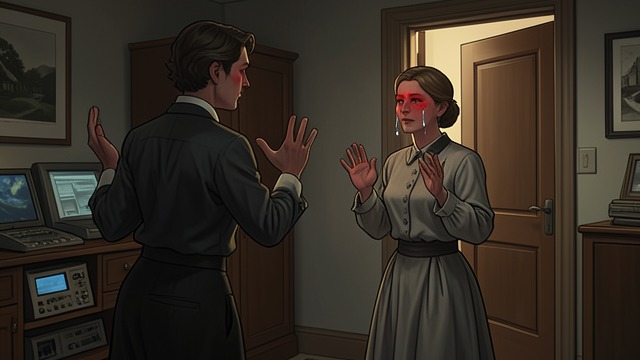
Fragmented Quarrel
Repeated Escalation
The couple alternate between shouting, crying, silence, and attempts at tenderness. Their argument loses a stable chronology, reflecting the narrator’s damaged memory.
No Reconciliation
He wants to touch Susanna’s cheeks and say that they should forget everything, but knowledge prevents forgiveness. The conflict ends with her departure rather than mutual understanding.
December 2 evening
December 3 night
December 4 evening
December 5 evening
December 5 late night
