
The Narrator’s Failed Escape
You Should Have LeftThis flow traces the unnamed narrator’s attempts to flee the Vacation House and the successive reasons each attempt fails.
increasing Bearing strength in each event
 decreasing
Bearing strength in each eventdecreasingThe Decision to Leave
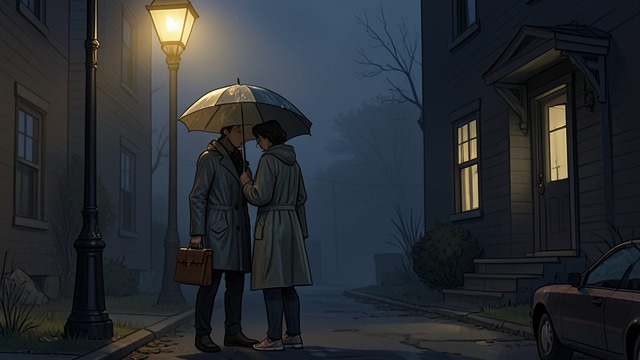
The Decision to Leave
Agreement in the Rain
The unnamed narrator and Susanna decide to abandon the Vacation House after a miserable hike. Their shared decision briefly converts private fear into collective action.
A Narrow Window
They believe departure is still a practical choice. The timing matters because the supernatural enclosure has already begun, though neither recognizes that the opportunity may be closing.
The Locked Room
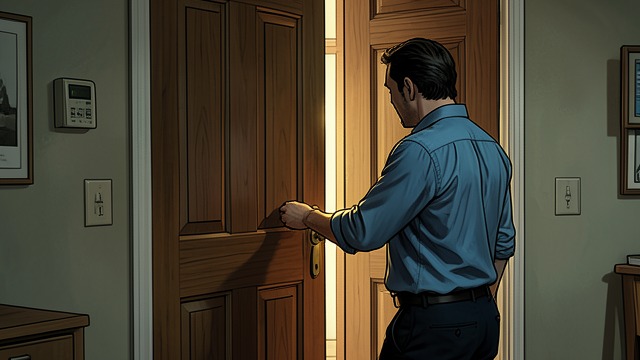
The Locked Room
A Door Outside Reality
After seeing impossible images on the monitor, the unnamed narrator locks the living-room door and brings Esther downstairs. The lock gives him a small, comprehensible boundary.
False Security
The barrier cannot guarantee safety. The house can alter corridors, reflections, and transmissions without needing to break the lock, making physical precautions increasingly meaningless.
The Backward Exit
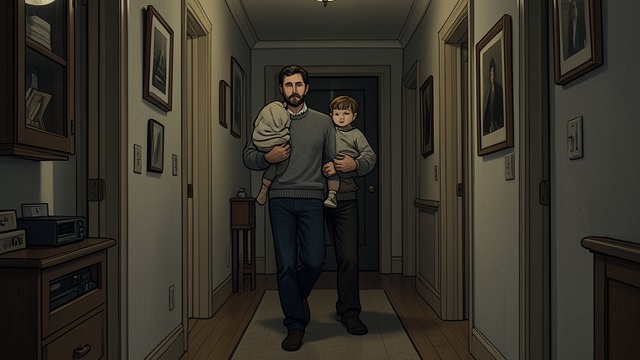
The Backward Exit
Reversing Direction
The unnamed narrator believes that walking backward may prevent the house from reasserting itself. He leads Esther through the hall and outside without looking back.
Hope in Ritual
The method is irrational but carefully structured, giving both of them a sense of control. Escape becomes a ritual against a space that no longer responds to ordinary movement.
The Returning Road
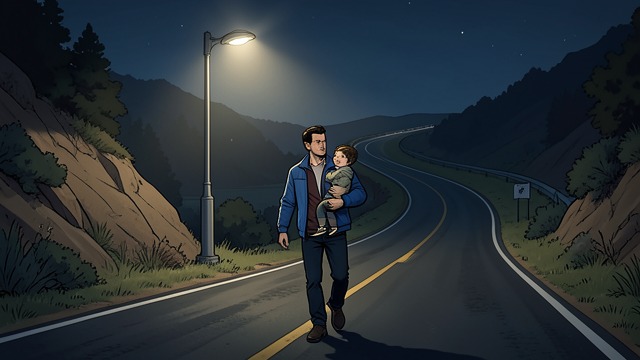
The Returning Road
Descent Into Repetition
The unnamed narrator carries Esther down the dark road, passing bend after bend. The journey seems to lead toward The Village until the familiar house appears again ahead.
The Mountain’s Loop
The failed descent proves that distance has lost its ordinary meaning. The road does not return them by coincidence; it has become another extension of the Vacation House.
Refusal of Rescue
Refusal of Rescue
Susanna’s Arrival
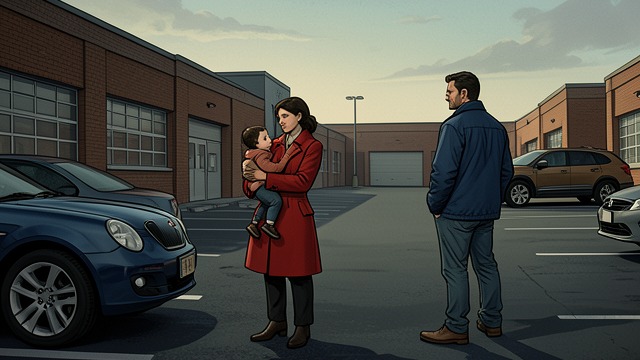
Susanna returns in the car and offers the obvious route back to ordinary life. The unnamed narrator puts Esther inside but remains outside the vehicle.
Voluntary Captivity
He says he needs time to think and tells Susanna to drive. The decision fuses emotional paralysis with supernatural imprisonment, making escape impossible even when a road and car are available.
December 5 afternoon
December 5 night
December 6 evening
December 6 late evening
December 7 morning
