
Jana and Ella’s Manufactured Future
You Should Have LeftThis flow follows the abandoned sequel’s imagined friendship crisis as it mirrors the narrator’s collapsing marriage.
increasing Bearing strength in each event
 decreasing
Bearing strength in each eventdecreasingForced Separation
Forced Separation
The Apartment Crisis
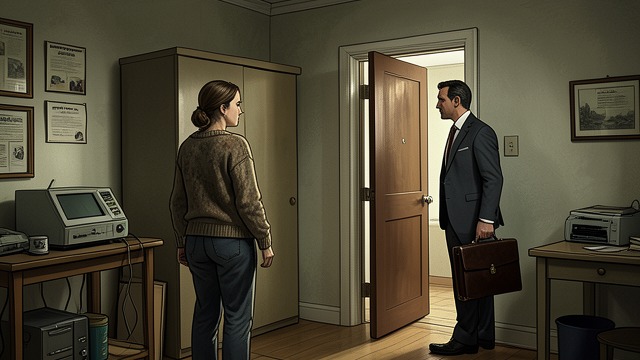
The planned sequel begins with Ella asking Jana to move out so Ella’s new boyfriend can move in. The premise transforms friendship into a housing dispute and immediately tests Jana’s dependence.
A Repeated Pattern
The scenario echoes the unnamed narrator’s fear of being displaced by David. Fiction begins to anticipate personal betrayal before the narrator consciously recognizes the resemblance.
Calm Instead of Rage
Calm Instead of Rage
Refusing the Expected Outburst
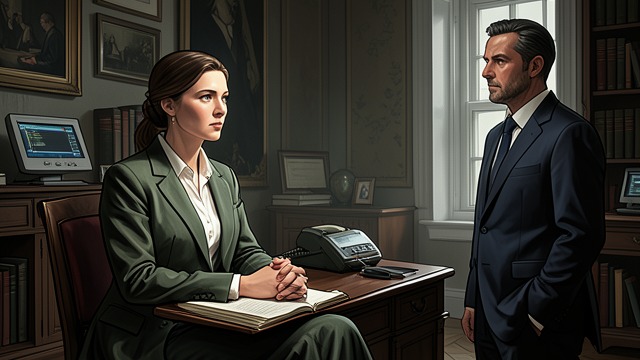
The unnamed narrator decides that Jana will remain calm rather than repeat her famous insult. Her restraint is meant to surprise the audience and create a new comic tension.
Control as Provocation
Ella interprets Jana’s composure as a provocation. The scene shows how emotional control can be as aggressive as anger when the other person expects a familiar response.
The Tax Official
The Tax Official
Martin’s Arrival
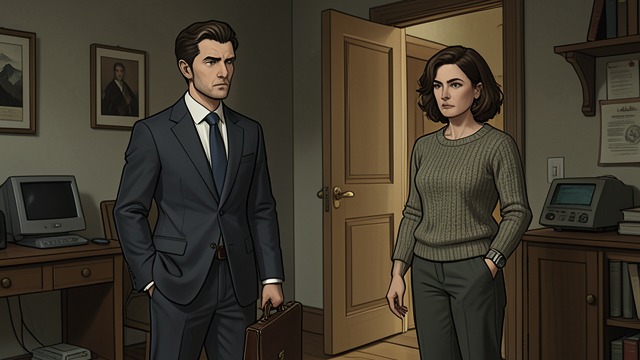
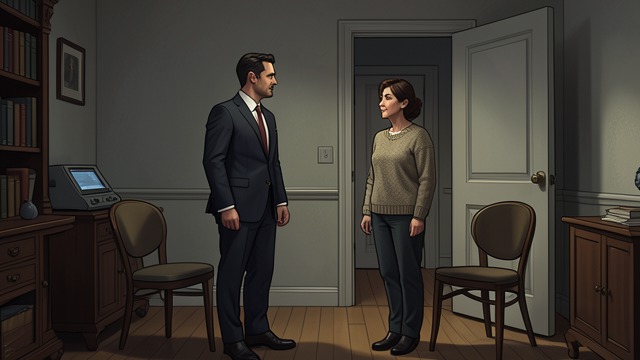
Martin is imagined entering in a suit with a briefcase, embodying the respectable rival who has replaced Jana in Ella’s domestic life. His profession becomes a source of comic contempt and social judgment.
Personal History
Martin is also Jana’s former lover, making the new relationship a betrayal within the friendship as well as a romantic reversal. The tax office becomes a symbol of conventional adulthood.
The Sitcom Problem
The Sitcom Problem
Suspicious Timing
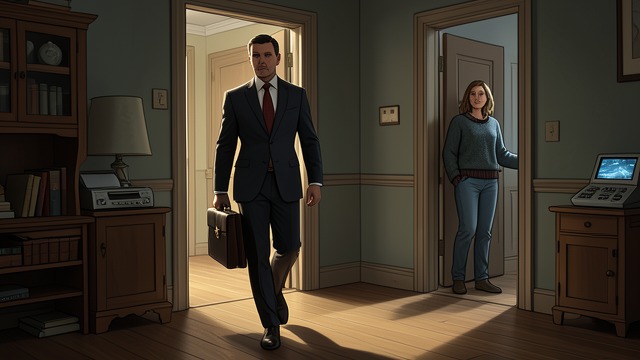
The unnamed narrator notices that Martin’s entrance would look cheap if it occurred exactly at the height of the quarrel. He rejects the convenience of a conventional comic interruption.
Fictional Self-Criticism
The scene collapses under the writer’s awareness of its machinery. His inability to choose who should enter suggests that the sequel’s world is losing independent life.
The Vanished Plot
The Vanished Plot
Empty Character Names
When Schmidt requests details, Martin and the planned complications remain recognizable only as labels. The narrator can repeat the premise but cannot animate the fictional people.
Fictional Defeat
Jana and Ella’s story dissolves just as the narrator’s family crisis becomes unavoidable. The abandoned sequel confirms that his imagination has been overtaken by the house and by lived betrayal.
early sequel outline
early sequel outline
December 3 writing session
December 3 writing session
December 6 morning
