
The Vacation House Trap
You Should Have LeftThis flow traces how a family retreat becomes an impossible enclosure that gradually absorbs ordinary reality.
increasing Bearing strength in each event
 decreasing
Bearing strength in each eventdecreasingMountain Arrival

Mountain Arrival
A Promising Retreat
The unnamed narrator arrives at the Vacation House with Susanna and Esther, expecting privacy, fresh air, and productive solitude. The modern building appears more inviting than its online images, encouraging the family to treat the mountain as a temporary refuge.
Hidden Dislocation
The difficult road isolates the house from The Village below. Its beauty and remoteness initially seem restorative, but the lack of barriers and the single access road quietly establish the conditions of a trap.
First Domestic Friction
First Domestic Friction
Familiar Arguments
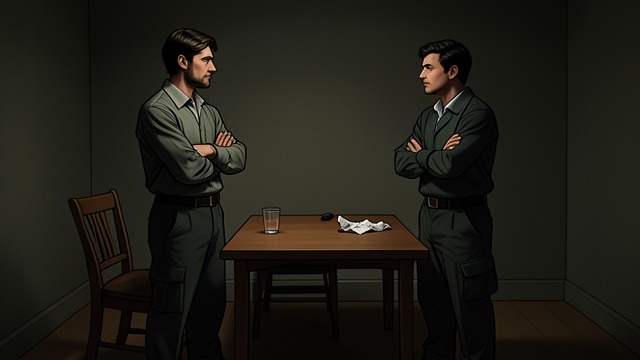
The unnamed narrator and Susanna resume their habitual quarrels almost immediately. Their disagreement about work, art, and childcare reveals a marriage held together by affection but worn down by proximity.
The Retreat as Pressure Chamber
The Vacation House gives them no social distance and no distractions. What should be a creative sanctuary instead magnifies resentment, making the house feel psychologically enclosed before any supernatural event becomes undeniable.
Vanishing Reflections
Vanishing Reflections
The Empty Image
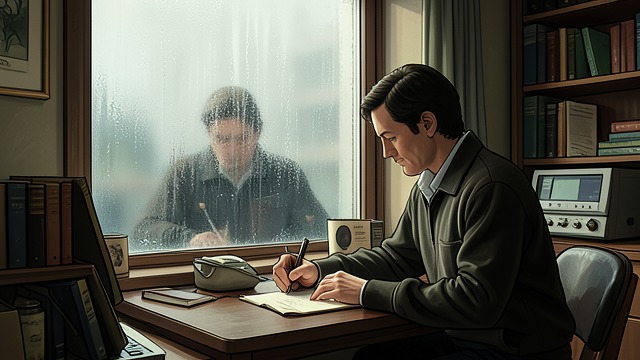
While writing at the living-room table, the unnamed narrator sees the room reflected in the window but cannot see himself within it. The anomaly lasts long enough to resist dismissal as a passing visual mistake.
Reality Unmoored
The reflection suggests that the house can preserve its furnishings while removing the person who occupies them. This becomes the first decisive breach between physical presence and perceived existence.
The House Refuses Exit
The House Refuses Exit
A Door Without Passage
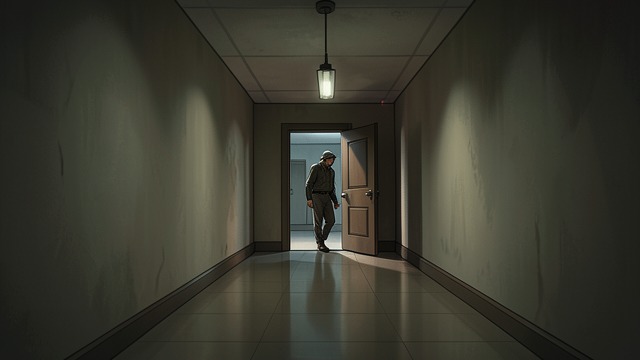
The unnamed narrator leaves the living room with Esther, only to return through the same door. The route has the appearance of a normal corridor but no longer obeys ordinary spatial continuity.
The Trap Revealed
The failed exit transforms unease into captivity. The family is not merely lost in a large building; the building occupies a place where familiar rules have become unreliable.
The Final Separation

The Final Separation
A Brief Rescue
Susanna returns in the car and finds the unnamed narrator outside the Vacation House with Esther. She tries to repair the immediate crisis, but the family is already divided by betrayal and by the narrator’s altered relation to the house.
Choosing the Enclosure
The unnamed narrator refuses to leave with them. His decision is not presented as simple courage or madness; it is the final consequence of a place that has made return psychologically and perhaps physically impossible.
December 2 afternoon
December 2 evening
December 3 afternoon
December 6 afternoon
December 7 morning
