
Slavery Freedom and Human Dignity
Young Captain Jack · The Son of a SoldierThis flow traces the novel’s changing treatment of former slavery, emancipation, and the moral equality of those who serve.
increasing Bearing strength in each event
 decreasing
Bearing strength in each eventdecreasingBen as Former Slave

A Freed Man’s Place
Emancipation
Old Ben has been freed by Colonel Martin Ruthven but continues to use the plantation boathouse. His legal freedom coexists with emotional attachment to the household.
Transitional Identity
The novel presents him as both former servant and independent protector. His worth increasingly comes from judgment and courage rather than inherited status.
Ben’s Defense of Jack

Equality in Loyalty
Rejecting Insult
Old Ben defends Jack against St. John’s claim that the boy’s father was common or low-born. He recognizes gentility through conduct rather than genealogy.
Moral Insight
Ben’s judgment challenges the aristocratic assumptions of the white planter class. The former slave becomes an interpreter of genuine character.
Cooperation at the Fire
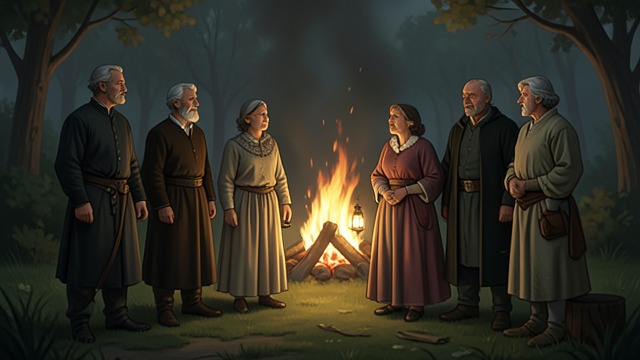
Shared Labor
Fighting the Flames
Black servants and Home Guard boys work together under Jack’s direction to save Mary Ruthven’s Plantation. Their cooperation is necessary to preserve the property.
Practical Equality
The emergency makes social distinctions less important than competence. Servants become active agents in survival rather than background figures.
Columbus in the Escape
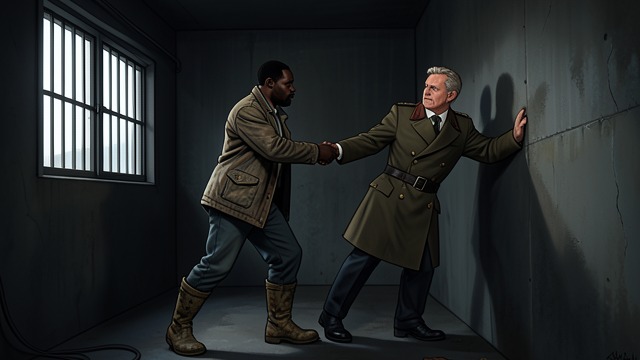
A Companion in Danger
Shared Captivity
Columbus Washington is imprisoned alongside Jack and Old Ben by guerrillas. Mackey’s contempt for his life exposes the racial violence surrounding the war.
Shared Agency
Columbus helps silence a guard and escape. His courage and initiative contradict the belief that Black lives or actions do not count.
Freedom as Moral Practice
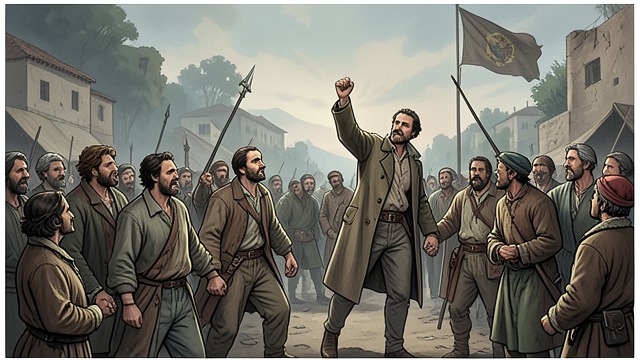
Dignity Demonstrated
Beyond Legal Status
The story’s strongest acts of loyalty come from people whose social rank is low or uncertain. Ben and Columbus repeatedly choose courage when privileged men hesitate.
Ethical Revision
The novel’s moral hierarchy increasingly favors service and humanity over ownership, ancestry, or class. Emancipation becomes part of a broader claim about human dignity.
before the main action
during the early disputes
during the Burning of St. John's Plantation
during the escape from Guerrilla Cave
near the conclusion
