
Wartime Humanitarianism
Young Captain Jack · The Son of a SoldierThis flow traces how care for the wounded creates moral alternatives to military violence.
increasing Bearing strength in each event
 decreasing
Bearing strength in each eventdecreasingThe Hospital Flag
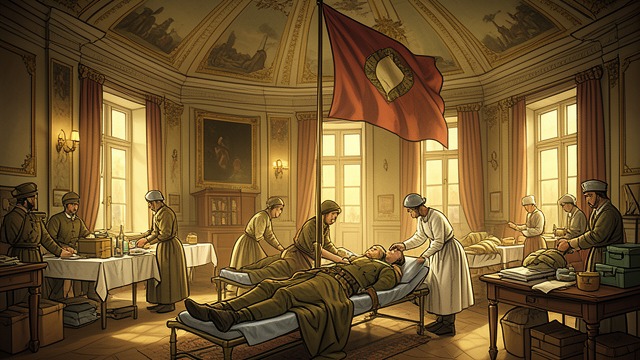
A Protected Household
Shelter for the Wounded
Alice Ruthven opens the mansion to injured Confederate soldiers and organizes cots, servants, and medical care. The home becomes a fragile sanctuary.
Mercy as Defense
The hospital flag offers protection, but its deeper importance is ethical. The household asserts that suffering deserves care even amid political conflict.
Marion’s Nursing
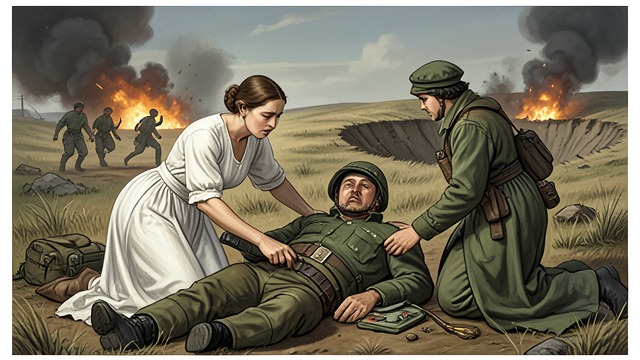
Service Beside the Battlefield
Sustained Care
Marion Ruthven works among wounded soldiers while shells and retreating armies pass nearby. Her contribution is physically demanding and emotionally severe.
Moral Participation
She serves the Southern cause through preservation of life rather than killing. The novel broadens patriotism beyond combat.
George Walden’s Recovery
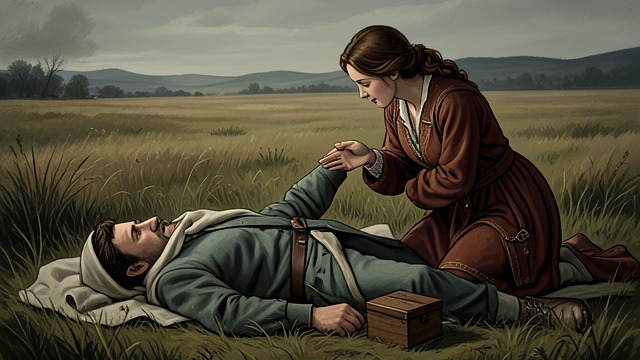
Healing as Knowledge
Care and Trust
Marion’s attention helps George Walden recover speech and strength. His gratitude creates the trust that allows him to speak about Dr. Mackey.
Humanitarian Consequence
Medical care indirectly protects Jack by preserving a witness. Compassion therefore becomes an active force against fraud.
Stanton’s Protection
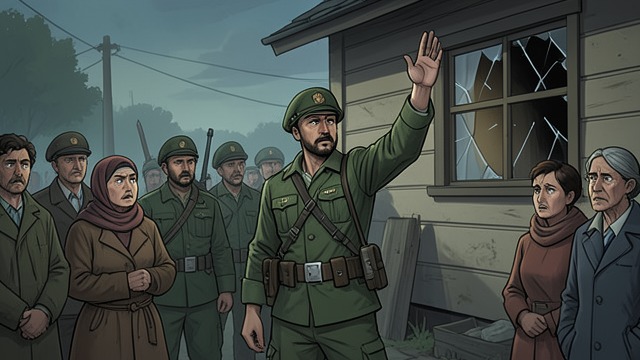
Mercy Across Allegiance
Respect for Civilians
Colonel Stanton refuses to allow his troops to loot the Ruthven property. He recognizes that military victory does not justify abuse.
A Moral Counterexample
His conduct changes Alice Ruthven’s understanding of the Union Army. Protection becomes a form of persuasion stronger than propaganda.
Care After Battle
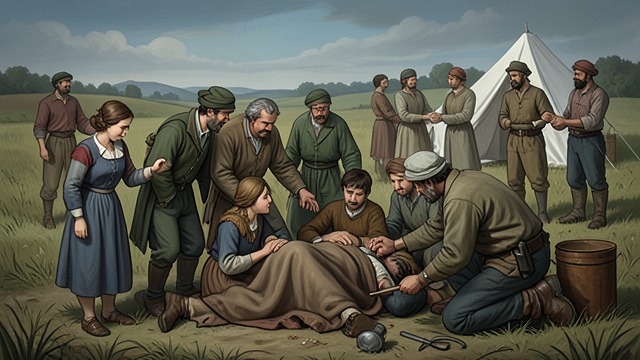
Compassion’s Legacy
Families Preserved
The household’s care keeps wounded men alive long enough for testimony, recovery, and reunion. The hospital becomes one of the novel’s central instruments of justice.
Beyond Victory
Humanitarian conduct survives the conflict’s political outcome. It prepares the emotional ground for reconciliation among former enemies.
during the first battle
during the first battle near the plantation
after George’s arrival
during the Federal occupation
near the war’s end
