
Found Family and Adoption
Young Captain Jack · The Son of a SoldierThis flow explores how the novel treats adoption as a durable form of parenthood rather than a temporary substitute for blood.
increasing Bearing strength in each event
 decreasing
Bearing strength in each eventdecreasingRescue and Adoption

A Child Received
The Shipwrecked Boy
Old Ben finds Jack beside his dying mother after the Nautilus disaster. Alice Ruthven and Colonel Martin Ruthven take responsibility for the child.
A New Household
Their decision gives Jack safety, education, and affection. Adoption begins as an act of emergency mercy and becomes a lifelong family commitment.
Belonging Without Blood
Family in Practice
Shared Life
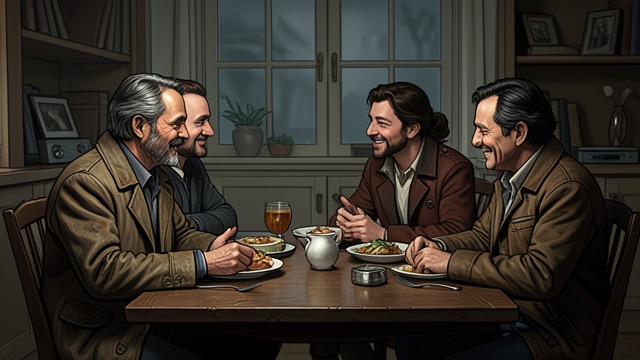
Jack is raised as Marion Ruthven’s brother and Alice Ruthven’s son. Household habits and emotional history make the relationships real even though biology is unknown.
Social Vulnerability
The family’s private certainty is vulnerable to public prejudice. St. John’s language shows how society can undervalue care when ancestry is unclear.
Truth Without Abandonment
Adoption Acknowledged
Fear of Rejection
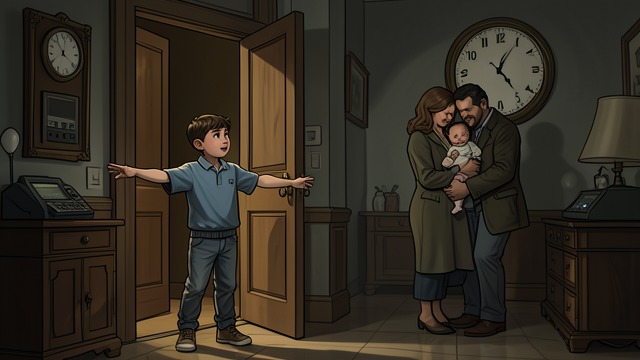
Jack worries that learning the truth makes him a nobody. Alice and Marion respond by reaffirming their relationships rather than concealing the distinction further.
Chosen Continuity
The household survives because love is not dependent on mistaken labels. Adoption becomes an openly chosen form of kinship.
Biological Claim Tested

Blood as a Weapon
The Claimant’s Argument
Mackey assumes that biological fatherhood automatically outranks adoption. His demand turns the language of family into a legal weapon.
Jack’s Resistance
Jack insists that the mother who raised him deserves loyalty until proof is established. The novel questions whether blood alone can create moral authority.
Integrated Family
Kinship Enlarged
Father and Mother Together
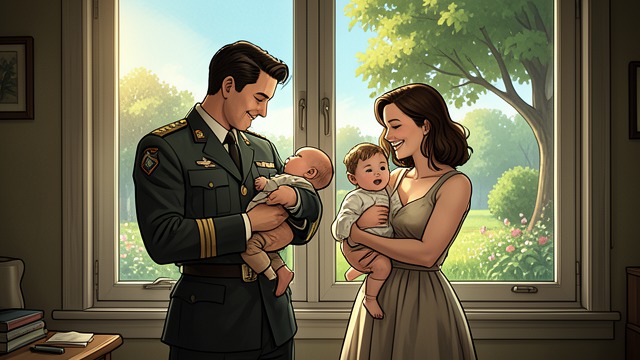
Colonel Stanton becomes Jack’s biological father, while Alice remains his mother through adoption and care. No relationship must be erased for another to be recognized.
A Durable Principle
The ending presents family as layered rather than exclusive. Truth expands Jack’s belonging instead of narrowing it.
eleven years before the main action
before Jack learns the secret
after the adoption revelation
when Dr. Mackey appears
near the ending
