three-spoke collar
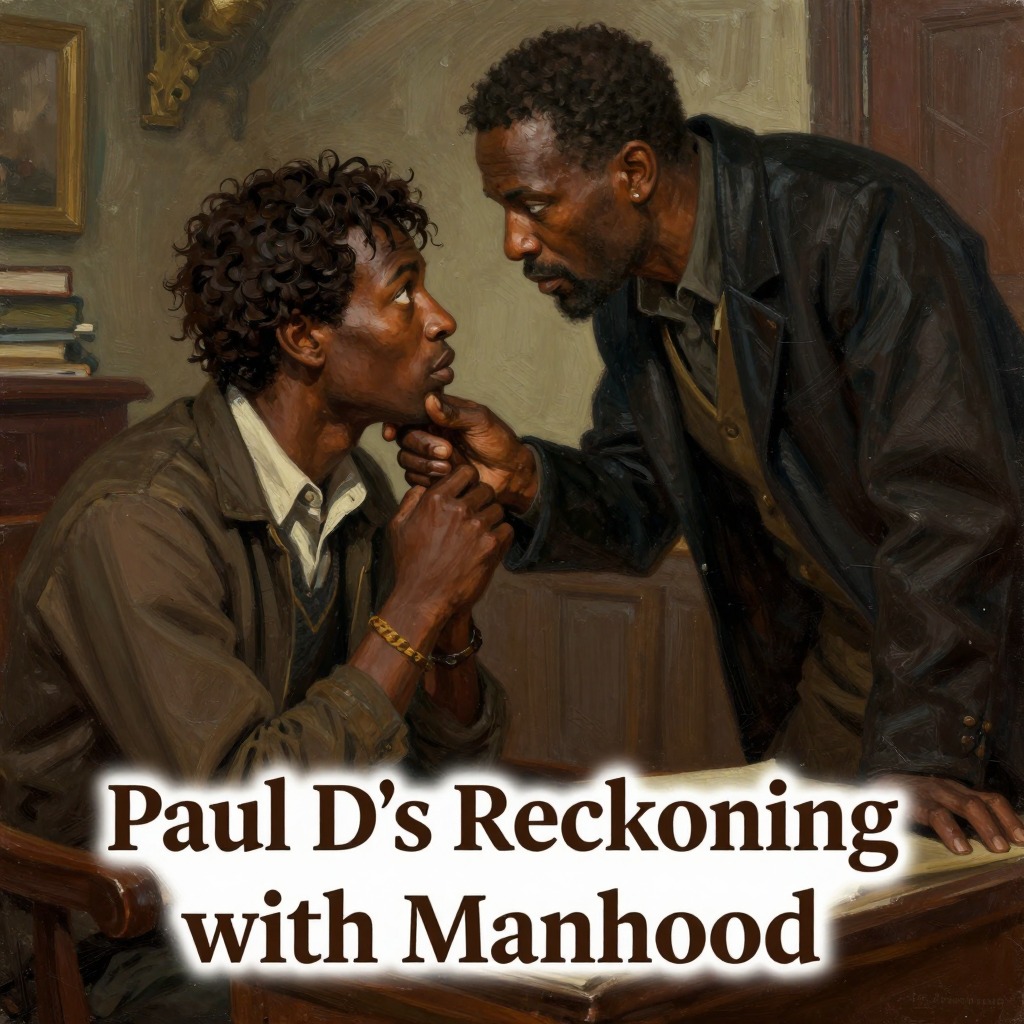
The three-spoke collar is an iron neck restraint that schoolteacher's men fit on Paul D after his capture during the failed Sweet Home escape, a device that embodies the dehumanizing reduction of a man to chattel and becomes a recurring emblem of his lost manhood and the shame he carries into his later life with Sethe.
Design and Imposition
The collar is a brutal piece of ironwork: three wands, curving two feet into the air, are attached to a ring that encircles the neck. It is designed to prevent a prisoner from lying down, forcing him to remain upright and submissive. Paul D is fitted with this device after he is captured along with Sixo during the escape attempt from Sweet Home. The collar is placed on him by schoolteacher's men, who also chain his ankles together, ensuring he cannot escape or even rest comfortably. The physical restraint is compounded by the psychological weight of the object, which marks him as property rather than a man.
Symbol of Dehumanization
The collar functions as a stark symbol of the reduction of a human being to an animal or object. Paul D, who had been one of the Sweet Home men that Mr. Garner had proudly called men, is now literally collared like a beast. The device is a physical manifestation of schoolteacher's philosophy, which categorizes enslaved people as animals, as seen in his notebook where he lists their human and animal characteristics. The collar's three wands, curving into the air, resemble the horns of an animal, reinforcing this dehumanizing transformation. For Paul D, the collar is not just a physical restraint but a profound assault on his identity, making him feel less than human.
Shame and Its Aftermath
The collar becomes a source of deep shame for Paul D, one that he carries with him long after it is removed. When Sethe visits him in the cabin where he is held, he is embarrassed by the neck jewelry, avoiding her eyes because of it. This shame is so profound that it shapes his later behavior and relationships. Years later, when he is with Sethe at 124, he remembers the collar and the feeling of being collared like a beast. He is grateful that Sethe never mentions or looks at it, allowing him to retain some semblance of his manhood. The collar thus becomes a recurring emblem of his lost dignity, a reminder of the moment when his humanity was stripped away.
Connection to Sethe and Manhood
The collar is intimately connected to Paul D's relationship with Sethe and his struggle to reclaim his manhood. When he is collared, he feels that he is no longer a man, a feeling that is reinforced by his later experiences in Alfred, Georgia, where he is forced to work in chains. Sethe's refusal to acknowledge the collar, her tenderness about it, is what allows Paul D to feel like a man again in her presence. He reflects that only Sethe could have left him his manhood like that, by not drawing attention to his shame. The collar thus serves as a contrast to Sethe's love, which helps him recover a sense of self that the collar had taken away.
Narrative Significance
The three-spoke collar is a powerful narrative device that underscores the novel's themes of dehumanization, shame, and the struggle for identity. It is a concrete object that embodies the abstract horrors of slavery, making them tangible and visceral. The collar's presence in Paul D's memory and its role in his relationship with Sethe highlight the lasting psychological scars of enslavement. It also serves as a counterpoint to the novel's other symbols of freedom and selfhood, such as the tree on Sethe's back, which represents both her suffering and her resilience. The collar, by contrast, represents the attempt to break a person's spirit, an attempt that Paul D must overcome to find a sense of wholeness and belonging.