The exhumation and destruction of the vampire
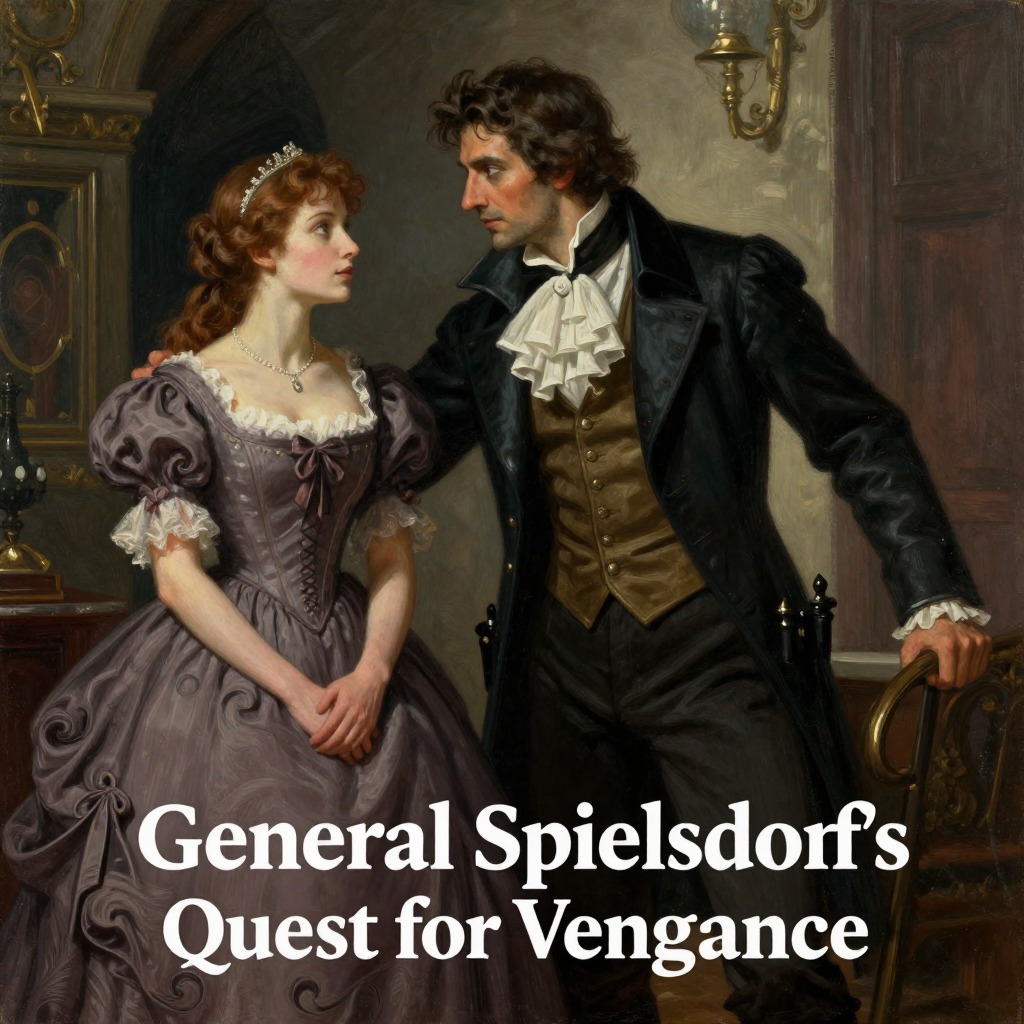
The exhumation and destruction of the vampire forms the narrative's decisive climax, transforming the private horror of Laura's illness and General Spielsdorf's grief into a public, legally sanctioned ritual that finally extinguishes the centuries-old predator. The event takes place in the Chapel of Karnstein the day after the confrontation in the ruined church, when Carmilla vanished after the General struck at her with the woodman's hatchet. What follows is not a spontaneous act of vengeance but a formal proceeding, conducted with the authority of the Imperial Commission and witnessed by multiple officials, including two medical men, one officially present and the other representing the promoter of the inquiry. The procedure follows the ancient legal framework for dealing with vampires, a system that had been codified through centuries of judicial cases across Styria, Moravia, Silesia, and beyond.
The Opening of the Grave
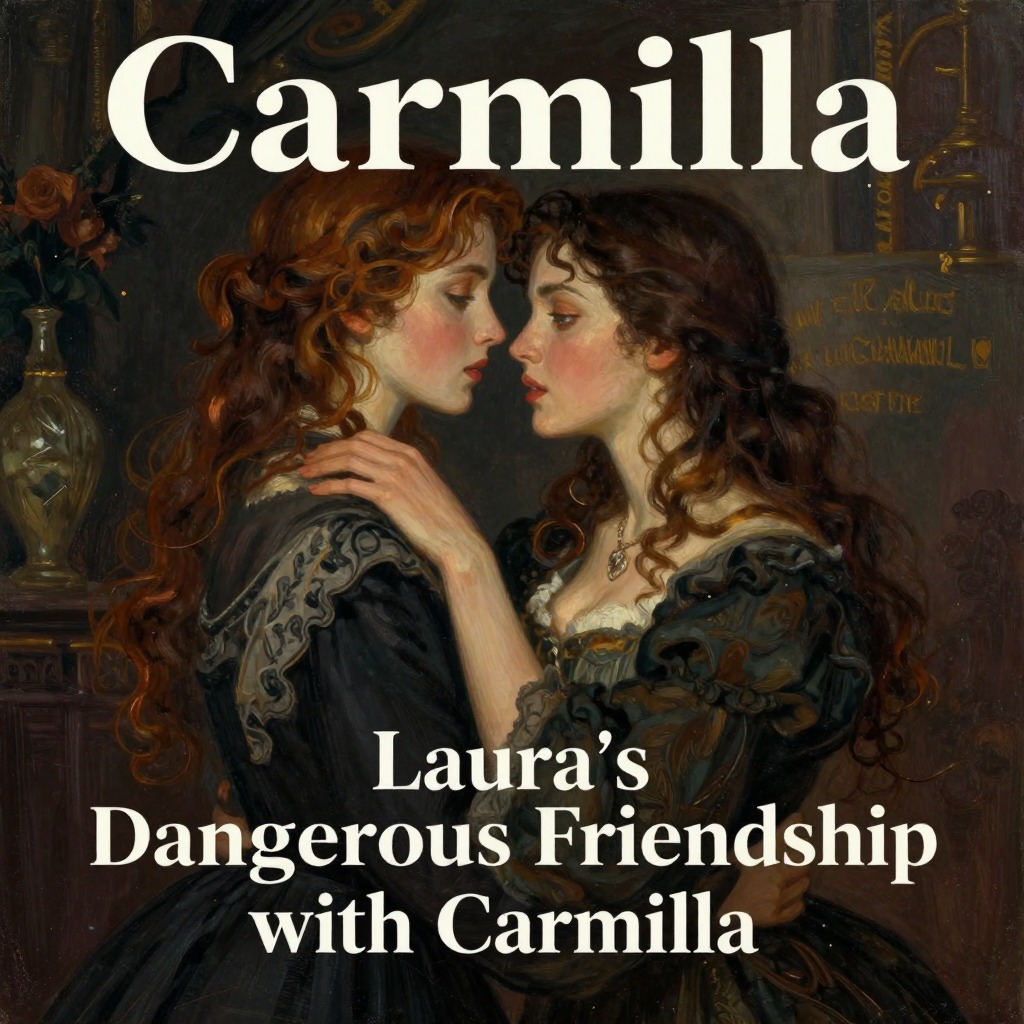
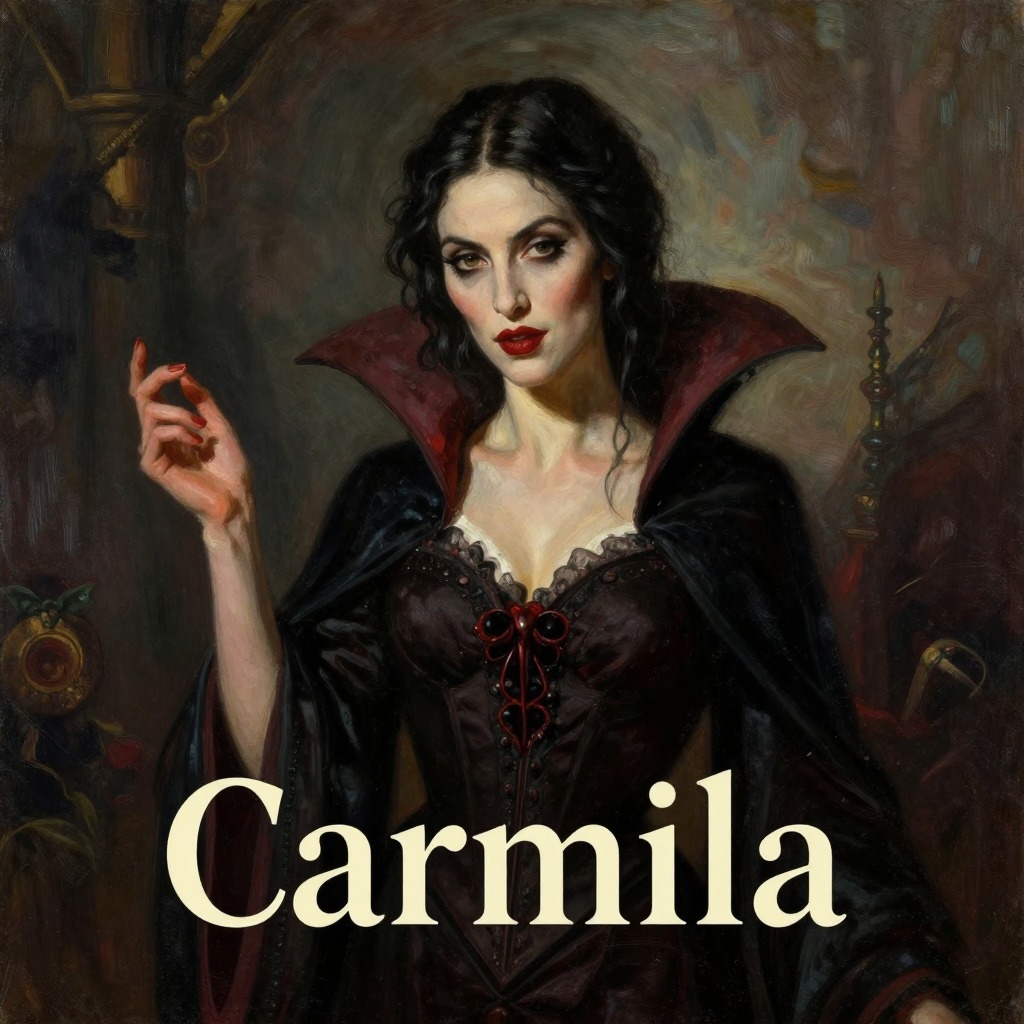
The grave of the Countess Mircalla was opened, and what lay inside confirmed every suspicion. The face that General Spielsdorf and Laura's father now saw was the same they had known as their beautiful guest—Carmilla, who had also called herself Millarca. Though a hundred and fifty years had passed since her funeral, the features were tinted with the warmth of life, her eyes open, and no cadaverous smell exhaled from the coffin. The two medical men attested to a faint but appreciable respiration and a corresponding action of the heart, a fact that defied natural explanation. The limbs were perfectly flexible, the flesh elastic. Most damning of all, the leaden coffin floated with blood, in which to a depth of seven inches the body lay immersed. These were the admitted signs and proofs of vampirism, the same symptoms that had been catalogued in the Baron Vordenburg's vast collection of judicial records and treatises on the subject.
The Execution
In accordance with ancient practice, the body was raised from its coffin. A sharp stake was driven through the heart of the vampire, and at that moment she uttered a piercing shriek, in all respects such as might escape from a living person in the last agony. The sound was not the spectral wail of a ghost but the unmistakable cry of a creature still capable of suffering, a detail that underscored the horror of what was being done. Then the head was struck off, and a torrent of blood flowed from the severed neck, the same blood that had sustained her amphibious existence for a century and a half. The body and head were placed on a pile of wood and reduced to ashes, which were thrown upon the river and borne away. The territory has never since been plagued by the visits of a vampire.
The Official Record
Laura's father possesses a copy of the report of the Imperial Commission, with the signatures of all who were present at these proceedings attached in verification of the statement. It is from this official paper that Laura summarizes her account of the last shocking scene. The document transforms what might have been a private act of vengeance into a matter of public record, a legal extermination that the authorities of the time recognized as necessary. The report stands as a counterweight to the skepticism that Laura anticipates from her reader, a bureaucratic seal on the supernatural. The Baron Vordenburg's curious lore had made the discovery of the tomb possible, but the Imperial Commission's report gives the destruction its final, unassailable authority.
Aftermath and Significance
The disappearance of Carmilla was followed by the discontinuance of Laura's nightly sufferings. The formal proceedings at the Chapel of Karnstein thus mark the end of the vampire's predation, but they also close a cycle that began more than a century earlier with the death of the beautiful Mircalla. The Baron Vordenburg later revealed that his own ancestor, a passionate lover of the Countess in her youth, had hidden her tomb to protect her remains from posthumous execution, only to leave behind the tracings and notes that ultimately guided the hunters to the very spot. The exhumation and destruction therefore represent not only the defeat of a monster but the belated correction of a deception born of love, a deception that had allowed the vampire to continue her existence for generations. The ritual, with its stake, decapitation, and burning, follows the pattern established by the Moravian nobleman who had cleansed the same village a century before, a pattern that the woodman had described as the only effective remedy against revenants. The event thus participates in a tradition of vampire execution that the narrative presents as both necessary and terrible, a pious sacrilege that restores the natural order at the cost of a profound moral ambiguity.