Atreides Banner
The Atreides Banner, a green and black standard bearing the red hawk crest, is the heraldic emblem of House Atreides and one of the most potent symbols in Frank Herbert's Dune. It represents the family's honor, its claim to power, and its tragic destiny. The banner's journey from the walls of Castle Caladan to the battlefields of Arrakis and finally to the head of a fanatical religious war charts the transformation of the Atreides from a noble but endangered Great House into the engine of a universe-wide jihad. Its changing meaning—from a symbol of legitimate rule to a rallying point for a holy war—is central to the novel's exploration of power, myth, and the unintended consequences of leadership.
Identity and Symbolism
The banner is first introduced as the personal standard of Duke Leto Atreides, a man of honor and principle. It is described as a green and black banner with a red hawk crest, a symbol of the family's martial prowess and its claim to rule. The Duke wears the hawk emblem on his uniform, and it is flown from his castle on Caladan, signifying his authority over that world. The banner is more than a piece of cloth; it is a declaration of identity. When the Duke moves his household to Arrakis, the banner is hung over the Residency in Arrakeen, marking the Atreides claim to their new fief. The banner's colors—green and black—are also the colors of the Atreides, and they are worn by their soldiers and displayed on their ships, making the standard a unifying symbol for the family and its followers.
The Banner in the Atreides' Rise and Fall
The banner's significance is amplified by the circumstances of the Atreides' arrival on Arrakis. Duke Leto, aware of the trap set by the Harkonnens and the Emperor, still chooses to claim his fief, and the banner is raised over the Residency as a symbol of his defiance. However, the banner also becomes a target. After the Harkonnen attack, the Duke's body is found, and the banner is torn and bloodied, a visual representation of the family's fall. The banner's fate is tied to the Duke's own. When he is captured, the Sardaukar cut the red hawk insignia from his uniform, a symbolic act of stripping him of his identity and power. The banner, like the Duke, is desecrated, but it does not disappear.
The Banner as a Symbol of the Jihad
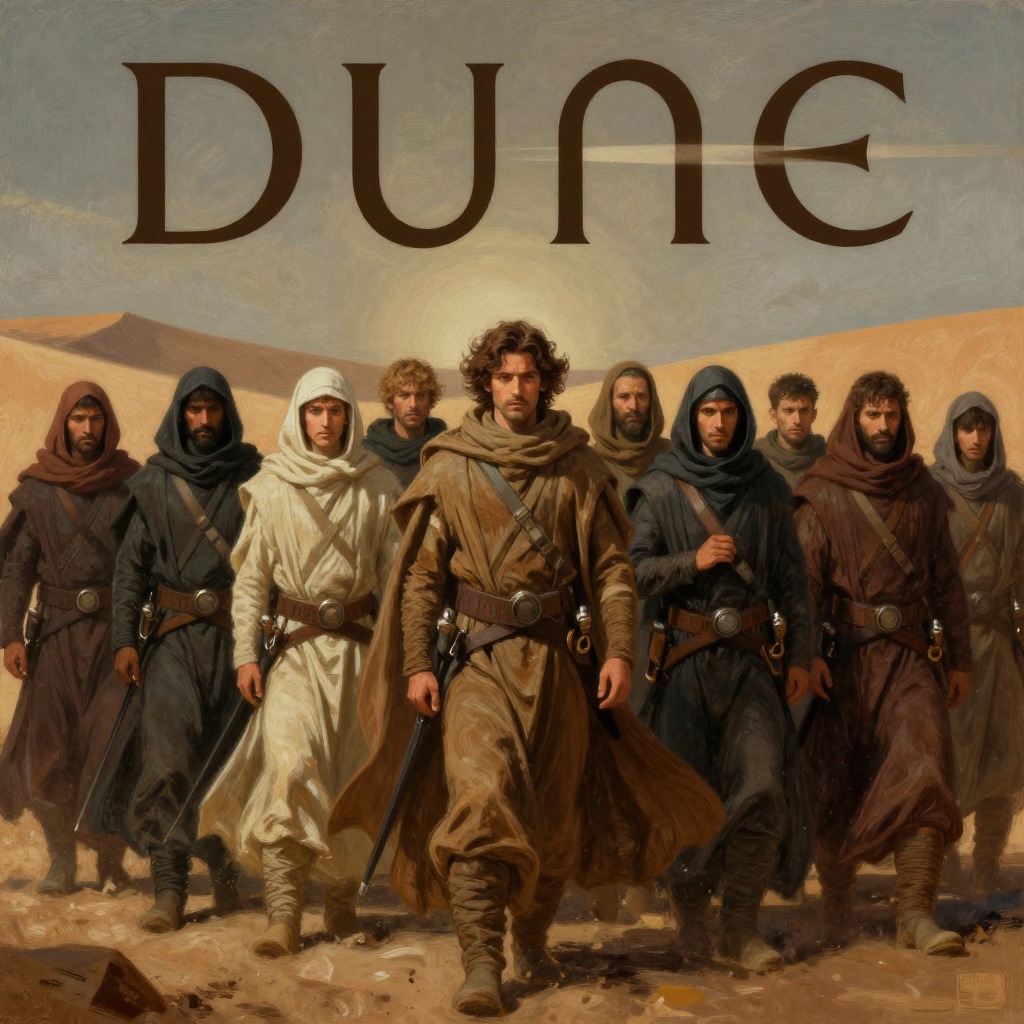
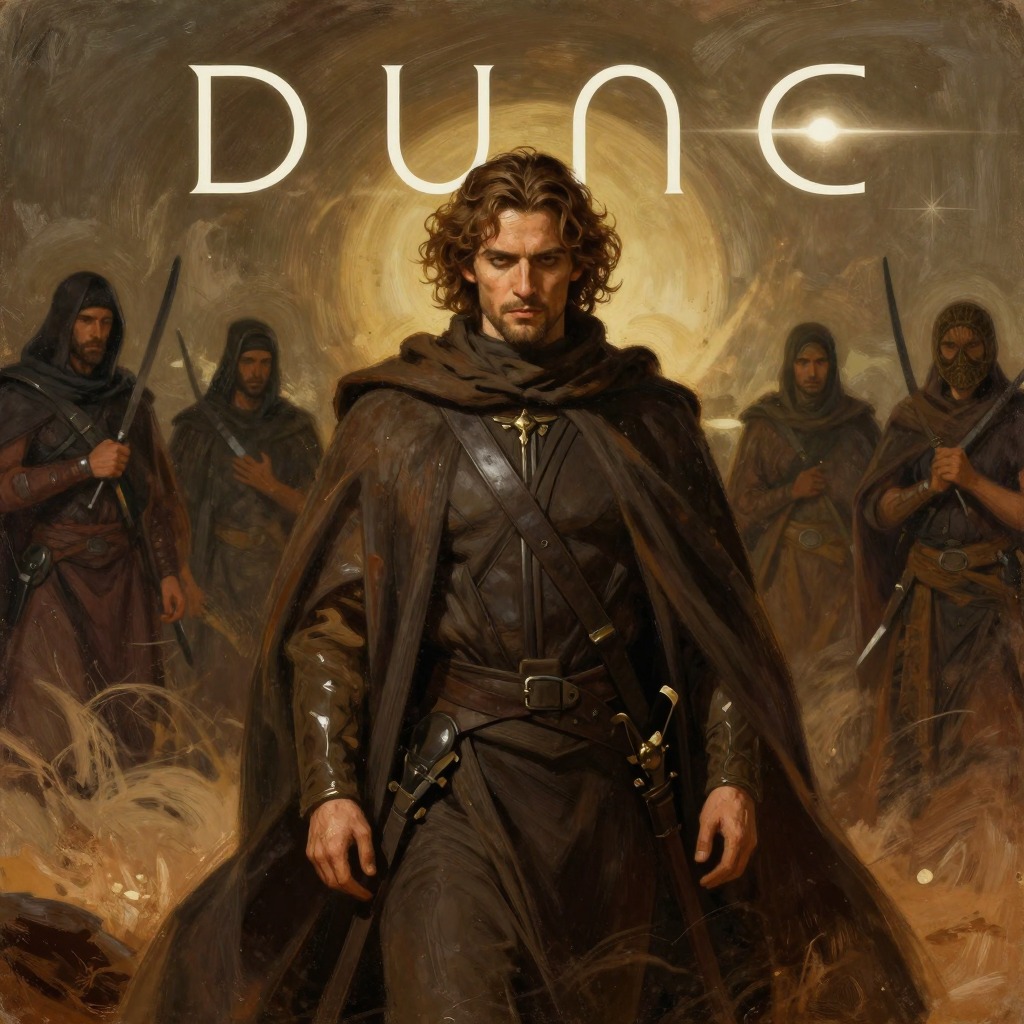
After the Duke's death, the banner is taken up by his son, Paul Muad'Dib. It becomes the standard of the Fremen, carried by the Fedaykin, Paul's death commandos. The banner is no longer just a symbol of a noble house; it is the flag of a religious movement. Paul, who has become the Lisan al-Gaib, the Voice from the Outer World, leads the Fremen in a holy war, and the green and black banner is at the head of his legions. The banner's meaning has been transformed. It is no longer a symbol of legitimate rule but of a fanatical crusade. Paul himself is aware of this transformation, and he sees the banner in his prescient visions, waving at the head of fanatic legions drunk on spice liquor, a symbol of the violence and destruction that his rise to power will unleash. The banner, once a symbol of honor, becomes a symbol of terror.
The Banner's Role in Paul's Ascension
The banner is also a key element in Paul's political and military strategy. When he confronts the Emperor after the Battle of Arrakeen, he uses the banner to assert his claim to the throne. He holds up his father's ducal signet ring, a symbol of his inheritance, and declares that he rules on every square inch of Arrakis. The banner, which has been carried by his Fremen forces, is a visual reminder of his power and his victory. The Emperor, seeing the banner, is forced to recognize Paul's authority. The banner, which was once a symbol of the Atreides' defeat, has become a symbol of their ultimate triumph. However, this triumph is bittersweet, as Paul knows that the banner will also be the symbol of the jihad that will sweep across the universe, bringing death and destruction in his name.
The Banner's Thematic Significance
The Atreides Banner is a powerful symbol of the novel's central themes. It represents the tension between honor and ambition, between legitimate rule and religious fanaticism. The banner's transformation from a symbol of a noble house to a symbol of a holy war reflects the novel's exploration of how power corrupts and how even the most well-intentioned leaders can become the instruments of destruction. The banner is also a symbol of the Atreides' legacy. It is passed from father to son, and it carries with it the weight of the family's history and its destiny. The banner is a reminder that the Atreides are not just a family but an idea, and that idea, once unleashed, cannot be controlled. The banner, like Paul himself, is a force of nature, and its meaning is ultimately determined by the people who carry it.