Editor Advances Payment
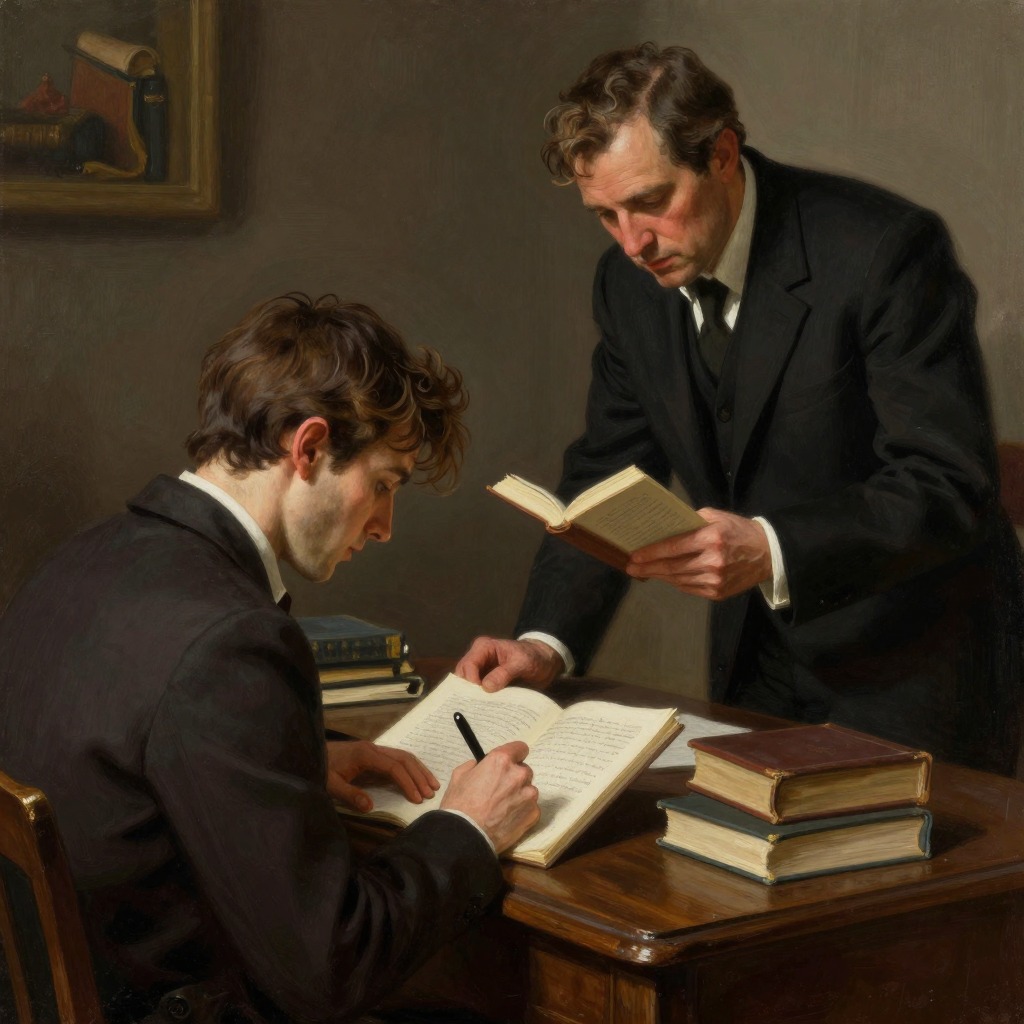
The Commandor, the editor of a Christiania newspaper, establishes a practice of advancing money to the starving narrator against unwritten articles. This rule first appears when the narrator brings a character sketch of Correggio to the office. The Commandor rejects the piece but, seeing the narrator's desperate state, offers a different kind of help: "If you need it," he says, "you are welcome to draw a little in advance; you can write for it, you know." The narrator, humiliated by the implication that he cannot produce saleable work, refuses, insisting he can "pull through yet a while." This initial refusal sets the pattern: the advance is offered as a professional courtesy but received as a wound to pride.
The Rule in Operation
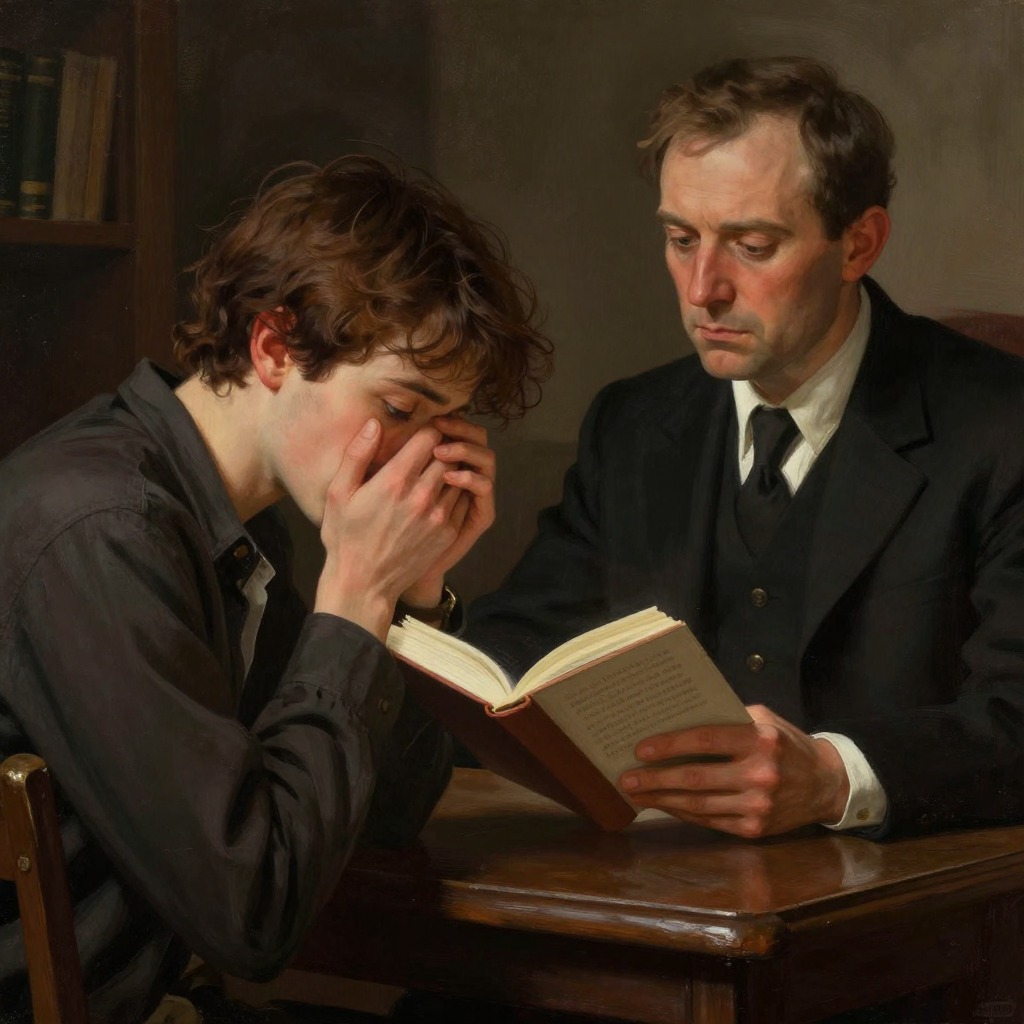
Weeks later, after the narrator has been evicted from his lodging in Vaterland and has torn up his drama manuscript in despair, he encounters the Commandor by chance near the railway square. The narrator is in a state of complete physical collapse, having eaten nothing that day. The Commandor, seeing him stagger against a wall, immediately puts the rule into effect. Without any discussion of articles or deadlines, he reaches into his purse and hands over half-a-sovereign, saying simply, "The Lord preserve you, man, it will never do for you to go and starve yourself to death." The narrator is too stunned to thank him; he stands dumb with joy, weeping quietly, and later imitates the Commandor's movements, holding the coin up to his moistened eyes to verify it is real.
Consequences and Shame
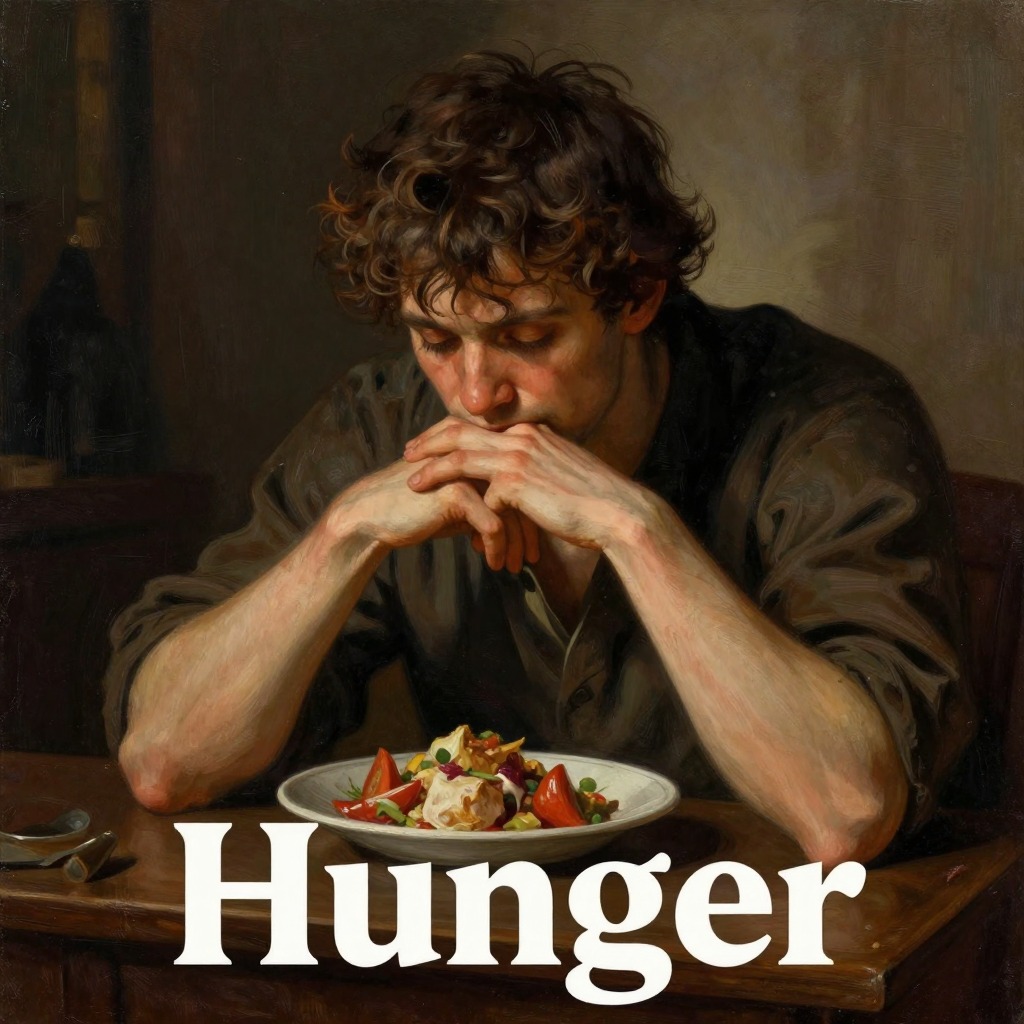
The advance, though lifesaving, carries a heavy psychological cost. The narrator immediately spends part of it on food, but the meal causes violent nausea and vomiting. More profoundly, the money becomes entangled with his sense of honor. When he later receives an anonymous half-sovereign from Ylajali, he throws it in his landlady's face in a fit of pride, only to realize he has now squandered the Commandor's gift as well. The advance thus functions as a double-edged rule: it keeps the narrator alive but also accelerates his descent into beggary, as he can no longer pretend to be a self-sufficient writer. The Commandor's kindness, by bypassing the normal editorial process, exposes the narrator's complete dependence on charity rather than talent.
Narrative Significance
The Editor Advances Payment rule is a key structural device in the novel's fourth part. It represents the only institutional support the narrator receives, yet it is offered not by a system but by an individual who recognizes human need. The Commandor never demands repayment or even mentions the unwritten article again; the advance is a gift disguised as a business arrangement. This ambiguity—between professional advance and personal alms—mirrors the narrator's own confusion about his identity as a writer versus a beggar. The rule ultimately fails to save him, as he cannot produce the work that would justify it, and he ends the novel signing on as a sailor, leaving both the debt and the profession behind.