Red Rocking Chair
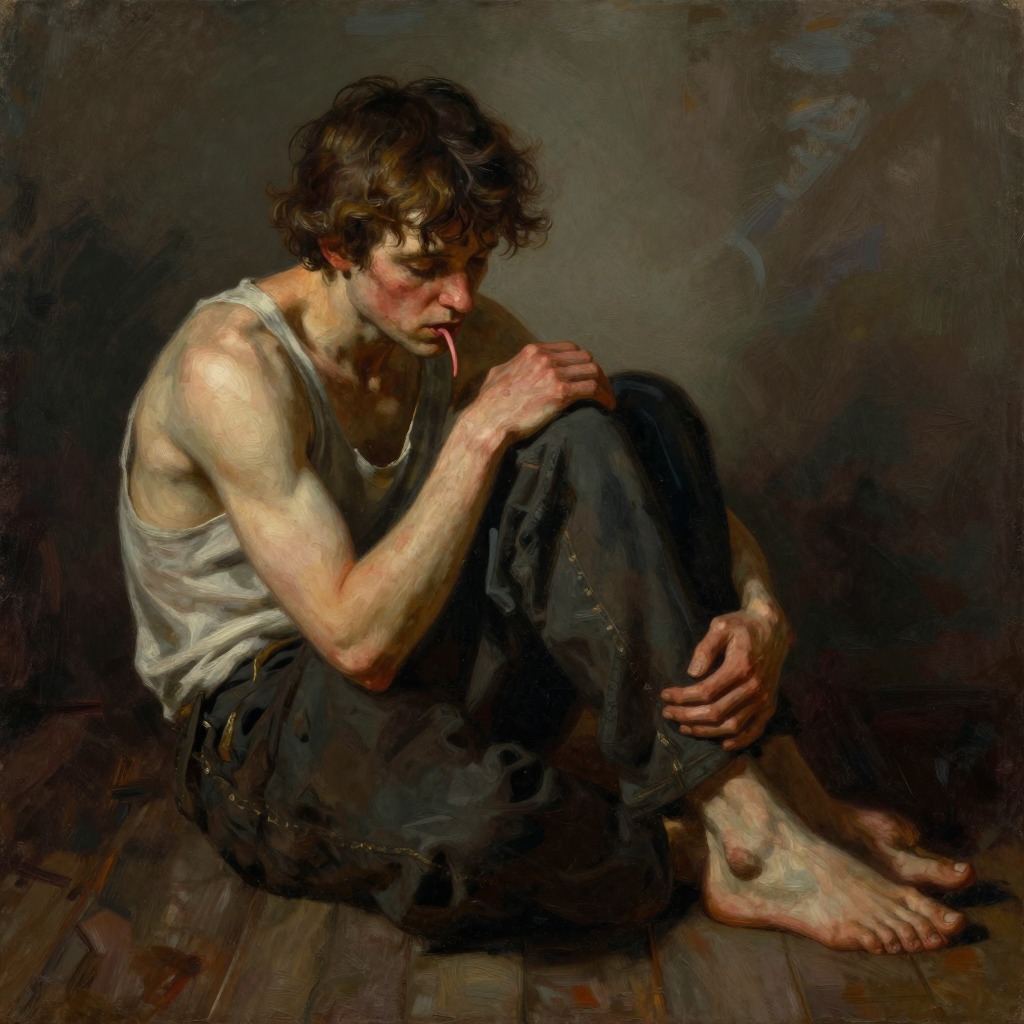
The Red Rocking Chair is the sole piece of furniture in the narrator's bare attic room, a small, inadequate object that becomes a focal point for his isolation and mental wandering. It is described as a "little red rocking-chair" in which he used to sit in the evenings to doze and muse on all manner of things, the only thing he had to divert himself with. This chair, however, is far from comfortable; it is a "mere attempt at a rocking-chair," so low that a grown man needs the aid of a boot-jack to get out of it, and one could easily split one's sides with laughter at it. Its presence underscores the room's unsuitability for intellectual pursuit, a den the narrator decides he will no longer keep after a rare moment of literary success.
Role in the Narrator's Life and Plot
The chair is a constant companion during the narrator's worst periods of hunger and despair. He sits in it to think, to doze, and to escape his grim reality, but it also becomes a symbol of his degradation. When he is forced to leave his room after failing to pay rent, he rejects the thought of returning, smiling superciliously as he thinks of the "little red rocking-chair." Later, after a night spent in the woods and a day of failed attempts to find money, he recalls the chair with a sense of loss, associating it with a time when things were better. The chair is also linked to his creative struggles; he sits in it to write, but often finds his thoughts scattered and his inspiration blocked.
Thematic Significance
The Red Rocking Chair embodies the narrator's precarious hold on stability and dignity. It is a pathetic object, a poor substitute for a proper home, yet it is the only thing he owns that offers any comfort. Its inadequacy mirrors his own physical and mental deterioration. The chair is also a marker of his transient existence; he leaves it behind without regret when he believes he has been saved, only to later recall it with a mix of nostalgia and bitterness. In the end, the chair remains a symbol of the narrator's isolation and the meager resources he has to sustain himself in a city that offers him no refuge.