
Komatsu’s Calculated Gamble
1Q84This flow traces Komatsu’s pursuit of literary impact, his manipulation of the publishing process, and his growing uncertainty as the scheme expands.
increasing Bearing strength in each event
 decreasing
Bearing strength in each eventdecreasingAn Editor’s Discovery
An Editor’s Discovery
An unusual manuscript
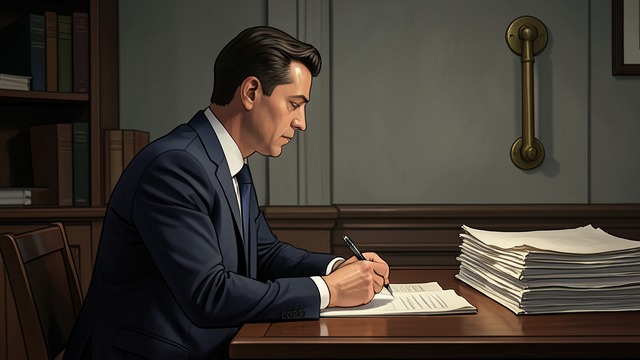
Komatsu recognizes that Fukaéri’s work has a compelling imaginative core despite its awkward prose. He believes Tengo can give it a readable form.
A gamble chosen
Rather than discard the text, Komatsu proposes a secret rewrite and presents the plan as a chance to disrupt the literary establishment. His ambition mixes literary conviction with appetite for risk.
Recruiting Tengo
Recruiting Tengo
Pressure by familiarity
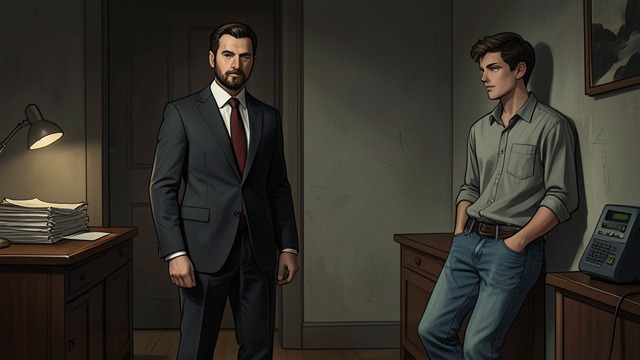
Komatsu repeatedly tells Tengo that he is uniquely suited to rewrite the story. He treats Tengo’s hesitation as a temporary obstacle rather than a refusal.
Shared responsibility
The editor frames the scheme as a boat already entering rapids, making withdrawal seem irresponsible. Tengo’s participation becomes part of Komatsu’s plan, despite unresolved ethical concerns.
A Prize at Any Cost
A Prize at Any Cost
The work succeeds
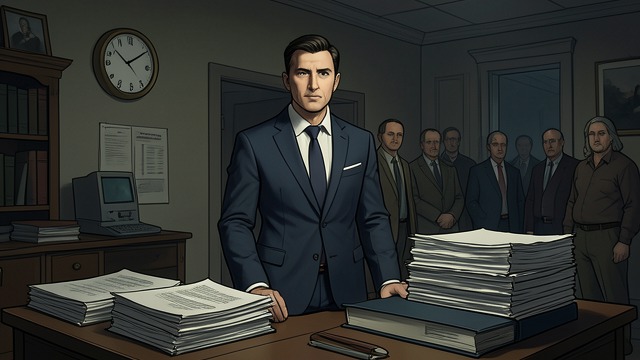
Air Chrysalis wins the prize unanimously, and its first appearance in the magazine sells out. Komatsu celebrates the result as proof of his judgment.
Expanding exposure
The success requires a company, public strategy, and continued concealment of Tengo’s role. What began as a manuscript experiment becomes a larger financial and reputational operation.
The Missing Author
The Missing Author
A disappearance reported
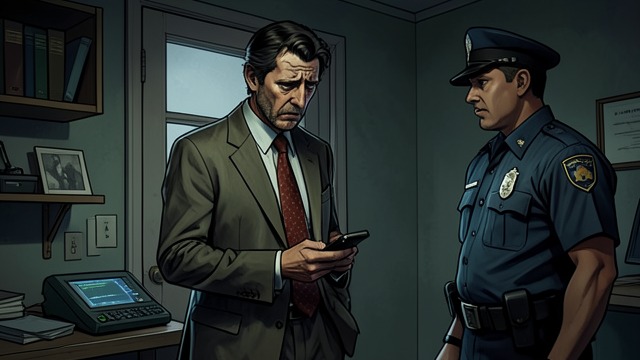
Komatsu tells Tengo that Fukaéri has been missing for several days. The professor plans to notify police, and reporters are already interested in the case.
Fear of exposure
Komatsu worries that attention will uncover the secret authorship arrangement and his role in it. He is no longer simply directing events; he fears losing control of the story he helped set in motion.
The Editor’s Unease
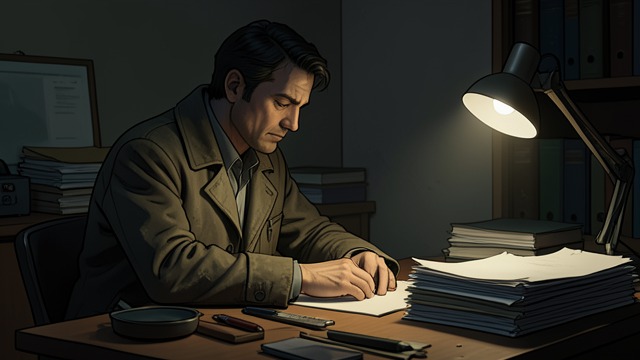
The Editor’s Unease
An altered plan
Komatsu recognizes that Ébisuno’s aims may have redirected the original publishing scheme toward the missing Fukadas and the Pioneers. He admits that he might have been manipulated, though he does not claim innocence.
A call for caution
He advises Tengo to watch the newspapers and prepare for scandal. His characteristic confidence gives way to guarded regret, while the project remains impossible to undo.
early April 1984
the following week
May 1984
about six weeks after publication
after the cassette reaches Tengo
