
Memory, History, and the Self
1Q84This flow traces how personal recollection and public history shape identity when both become unreliable.
increasing Bearing strength in each event
 decreasing
Bearing strength in each eventdecreasingAomamé’s Chronological Mind
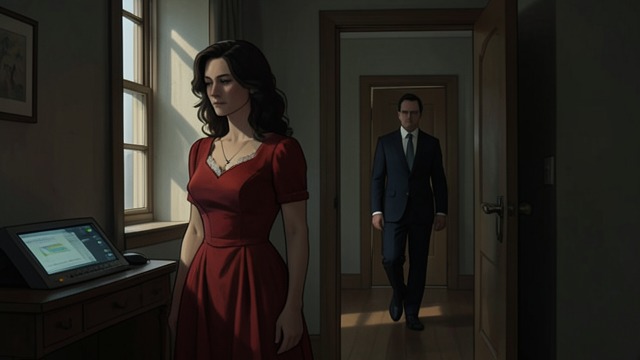
Aomamé’s Chronological Mind
History as orientation
Aomamé loves historical chronology and remembers dates with unusual precision. Events seem reliable to her when placed in a specific time and place.
A confidence tested
Her skill makes the later historical gaps more alarming. The world’s altered record threatens the very method she uses to understand reality.
Tengo’s Infant Memory
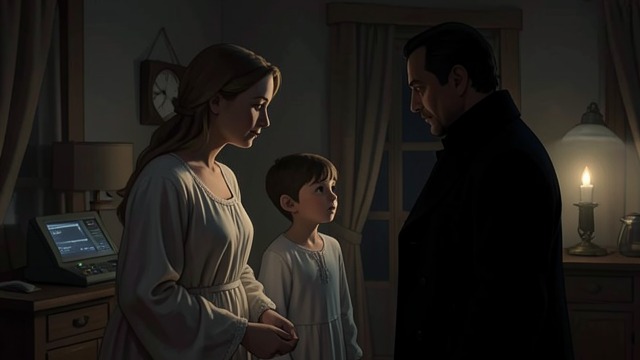
Tengo’s Infant Memory
A vivid image
Tengo remembers seeing his mother with a man who is not his father. The sensory clarity of the scene persists despite the difficulty of believing that an infant could store such a memory.
Identity at stake
The image contradicts his father’s account and raises questions about his origins. Whether true or constructed, it shapes his sense that his family history is incomplete.
Two Histories in One World
Two Histories in One World
Public records disagree
Aomamé finds events in newspaper archives that she does not remember and that do not fit the world she knew. Her personal memory and the public record no longer reinforce each other.
A question of trust
She cannot decide whether her consciousness has failed or reality has changed. The conflict turns history from a settled account into evidence that may itself be unstable.
Fukaéri’s Oral Story
Fukaéri’s Oral Story
Speech before writing
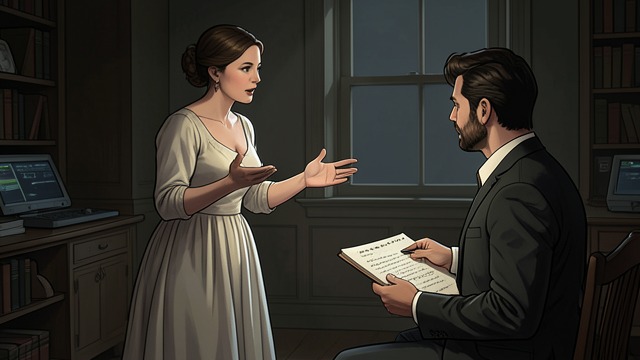
Fukaéri’s story begins as spoken narration, with Azami recording what she tells. The work’s source is memory and voice rather than a manuscript produced in conventional solitude.
Transformation and ownership
Tengo’s rewrite makes the story legible to a literary public but changes its form and reach. Fukaéri’s later distinction between her story and the written version raises questions about authorship and preservation.
The Limits of Knowing
The Limits of Knowing
Conflicting accounts
Tengo’s family memory, Aomamé’s altered history, and Fukaéri’s account of the Little People all resist simple verification. Each character must act without complete evidence.
Living amid uncertainty
The novel does not resolve these contradictions. Instead, its characters create provisional names, theories, and loyalties that help them move forward without mistaking explanation for certainty.
early in the book
a memory from when Tengo is about one and a half
after Aomamé investigates old newspapers
during the creation of Air Chrysalis
near the end of the book
