
Stories That Cross Their Borders
1Q84This flow traces how oral memory, literary revision, historical records, and private recollection challenge who can control a story.
increasing Bearing strength in each event
 decreasing
Bearing strength in each eventdecreasingA Story Before the Page
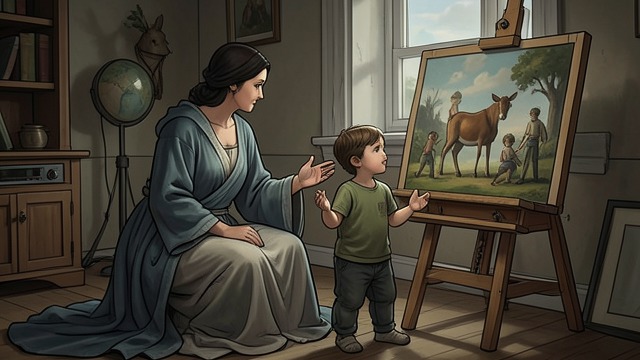
A Story Before the Page
Spoken experience
Fukaéri narrates the story of the goat and the Little People to Azami rather than writing it herself. Speech preserves the experience in a form she can manage.
A different kind of authorship
The original story already depends on a listener and recorder. Its origin complicates the idea that a book belongs to a single author.
A Novel Rewritten
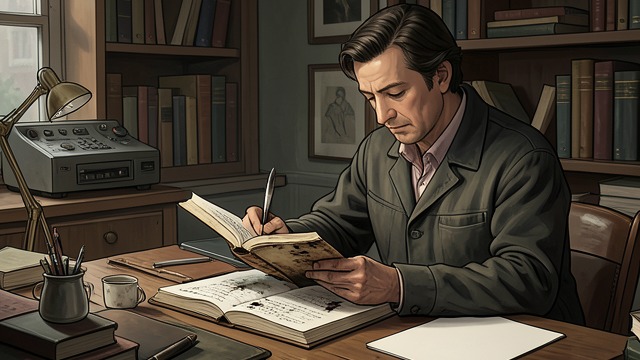
A Novel Rewritten
Form imposed and refined
Tengo reshapes the rough manuscript into coherent literary prose, adding detail and structure while retaining its core events. The result becomes more persuasive to readers.
The cost of polish
The rewrite also changes the story’s ownership and public meaning. Fukaéri later says that the written version is no longer quite her story, despite praising Tengo’s work.
Public History Rewritten
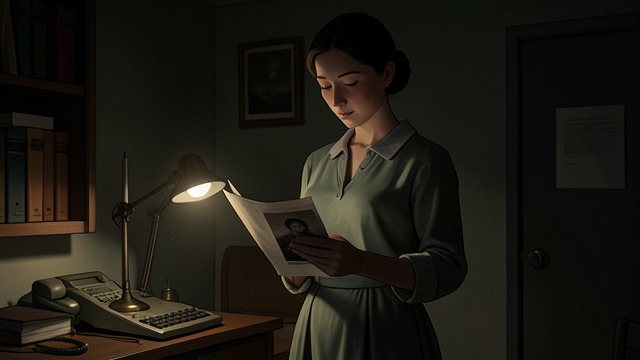
Public History Rewritten
Records as evidence
Aomamé consults newspapers to test her memory and discovers that the public record differs from what she recalls. Historical reporting becomes a means of detecting change.
The danger of revision
Tengo describes in Nineteen Eighty-Four a society where history is repeatedly altered. The comparison suggests that changing the record can damage a person’s ability to know who they are.
A Message on Tape
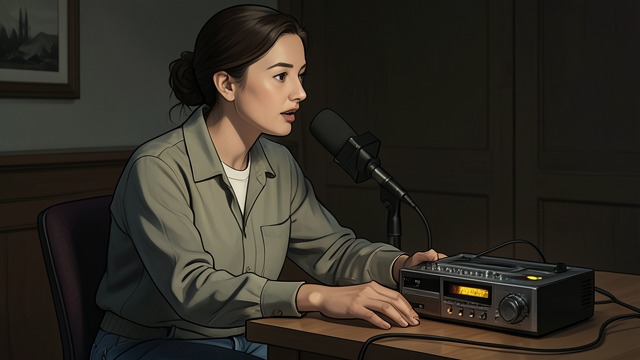
A Message on Tape
Speech replaces correspondence
Fukaéri sends a cassette because she finds speaking easier than writing and distrusts the possibility of being overheard on the telephone. The recording preserves her hesitant, distinctive voice.
Meaning remains open
Her words explain that publication has changed the story’s relation to its source, yet leave central questions unanswered. The recording is both an intimate message and evidence that cannot settle what the Little People are.
The Unfinished Novel
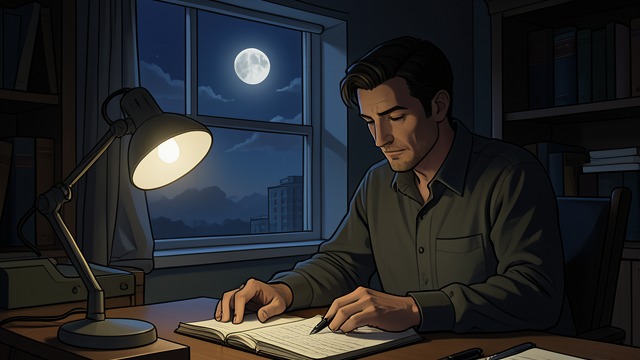
The Unfinished Novel
A second world in progress
Tengo writes about a world beyond this one, marked by two moons and a different past. He admits that he may rewrite history within it but does not yet know what that freedom means.
Questions instead of closure
His older lover points out that he does not understand the world he describes. The novel ends with Tengo still writing and with its imagined world unresolved, echoing the larger story’s refusal of certainty.
during Fukaéri’s childhood recollections
April 1984
during Aomamé’s search of the archives
about six weeks after publication
near the ending
