
Nature, Bodies, and Human Design
1Q84This flow traces the novel’s recurring question of whether bodies and lives serve biological systems or exceed their purposes.
increasing Bearing strength in each event
 decreasing
Bearing strength in each eventdecreasingAomamé’s Disciplined Body
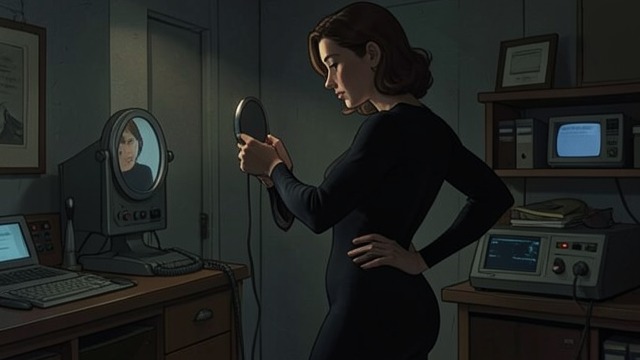
Aomamé’s Disciplined Body
Training as knowledge
Aomamé studies muscles, movement, and acupuncture, treating the body as something that can be understood through attention and practice. Her skills make her capable of both healing and killing.
A body under judgment
She also criticizes her own appearance and follows strict habits around food and exercise. Physical control offers confidence but does not free her from vulnerability or desire.
The Dowager on Genes
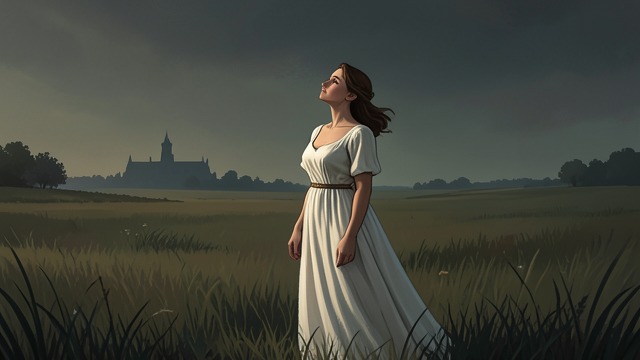
The Dowager on Genes
Humans as carriers
Madame suggests that people serve as vehicles for genes, which pursue reproduction without concern for human happiness or moral judgment. The biological account reduces individual life to a system’s needs.
Ethics remains human
Aomamé responds that people cannot avoid thinking about good and evil. Their exchange refuses to let biology settle the moral questions their lives demand.
Tsubasa’s Reproductive Injury
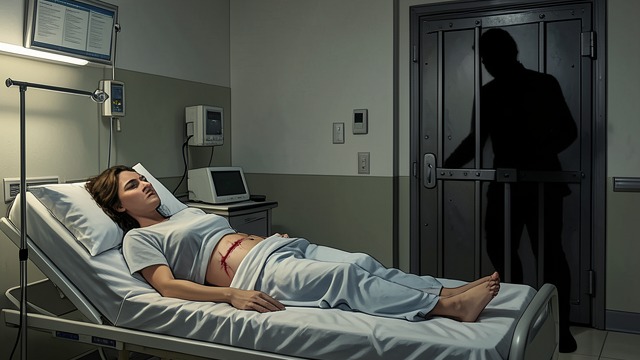
Tsubasa’s Reproductive Injury
A body violated
The doctor finds that Tsubasa’s uterus has been destroyed by repeated abuse. Madame speaks directly about the damage, making clear that the harm reaches far beyond immediate pain.
Rights beyond biology
The conversation does not define womanhood solely through childbirth. It emphasizes that the violent destruction of Tsubasa’s bodily choices is itself an injustice, regardless of the life she may later choose.
Aomamé’s Unwanted Desire
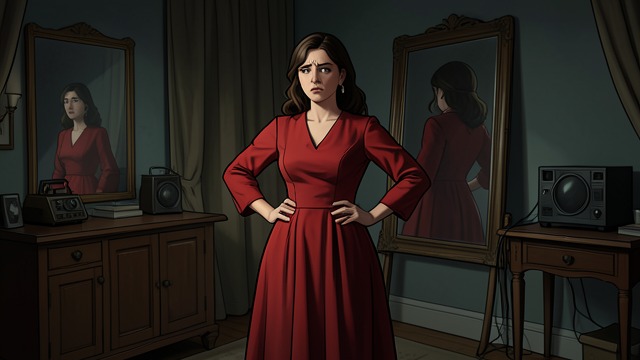
Aomamé’s Unwanted Desire
Desire amid danger
After hearing Tsubasa’s story, Aomamé unexpectedly feels sexual desire. She wonders whether it comes from tension, her body, or her genes.
No simple explanation
The moment resists a clean division between moral purpose and bodily impulse. Aomamé accepts that she must live inside a body whose demands she cannot fully interpret.
A World Measured by Two Moons
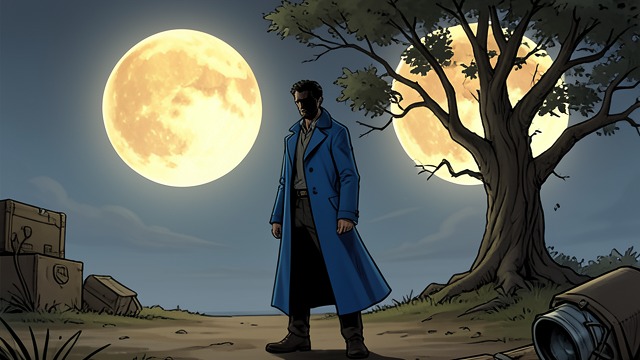
A World Measured by Two Moons
A changed natural order
Tengo’s imagined world contains two moons, raising the possibility of altered tides and disrupted cycles. His older lover connects the sky to bodily rhythms and mental states.
The body as a sign
The moons suggest that altered reality reaches beyond individual perception into nature and physiology. Yet the characters cannot determine the full consequences, leaving the relation between cosmic order and human life unsettled.
early in the story
during a conversation in the solarium
after the doctor examines Tsubasa
after leaving the safe house
after Tengo explains his novel
