
The Prison Network and the Uribes
2666This thread traces how rumors, drug networks, and prison authority complicate the search for the killers and shape the public account of the case.
increasing Bearing strength in each event
 decreasing
Bearing strength in each eventdecreasingHaas Names the Uribes
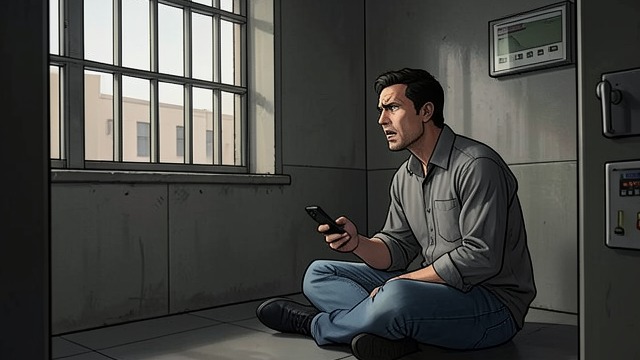
Accusation from a Cell
A Public Claim
Klaus Haas identifies Antonio Uribe and Daniel Uribe as the killers, describing their wealth, mobility, and ties to powerful figures. His account recasts the prison as the place from which he can speak.
Immediate Denial
Reporters and officials struggle to verify the names. The Uribes’ families say the men are traveling or studying elsewhere, leaving the accusation suspended between revelation and rumor.
A Cartel’s Shadow

Power Behind the Names
Routes and Protection
Investigators hear that the Uribes are connected to wealthy families, transport businesses, and drug networks. Their movements cross the same social world as police, businessmen, and political officials.
Evidence’s Limits
The alleged ties are difficult to prove publicly. In Santa Teresa, proximity to power can obstruct investigation as effectively as direct threats.
Haas’s Prison Alliance
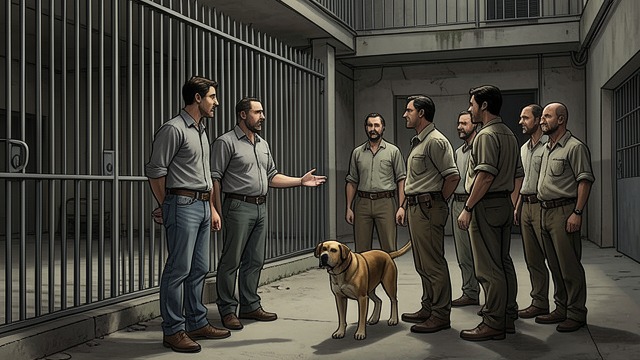
Protection and Exchange
Informal Authority
Haas gains relationships inside prison, including with Jesus Aguilera, known as El Tequila, and with the powerful Enriquito Hernandez. These ties allow him to obtain phones and communicate beyond the cell block.
A Fragile Shield
His protection depends on alliances that can change. The prison is not outside the criminal system but one of its operating centers.
The Bisontes Narrative
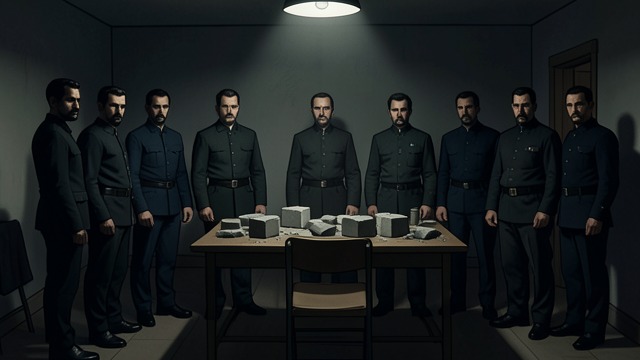
A Convenient Gang
Arrests
The Los Bisontes gang is blamed for several killings, and the arrests allow officials to announce progress. Torture and damaged evidence accompany the investigation.
Unanswered Questions
The gang’s role may be real, partial, or strategically useful to more powerful actors. The story becomes a contest over who can define the killings in public.
A Reporter Disappears
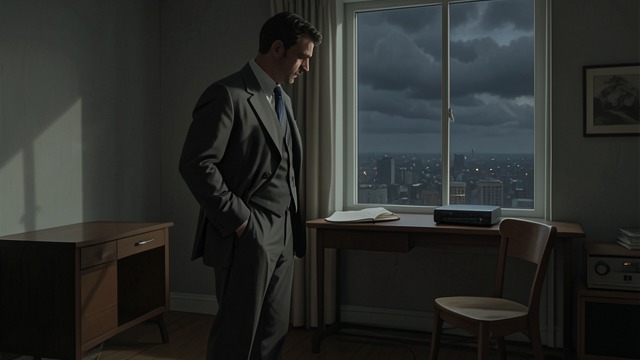
Reporting Has a Cost
Josue Hernandez Mercado
The reporter from La Raza who covered Haas and the women’s deaths disappears. His colleagues cannot tell whether he fled, was silenced, or met another fate.
The Story Continues Without Him
Mary-Sue Bravo investigates but finds little that can be safely confirmed. The disappearance adds another layer of uncertainty to a case already shaped by intimidation and missing evidence.
1997, at Haas’s press conference
1997, as police and reporters investigate
During Haas’s imprisonment
January 1997 and its aftermath
After Haas’s accusations become news
