
The Meaning of Honor
A Clash of KingsThis thread examines how vows, justice, and personal responsibility survive or fail under wartime pressure.
increasing Bearing strength in each event
 decreasing
Bearing strength in each eventdecreasingThe Sentence and Sword
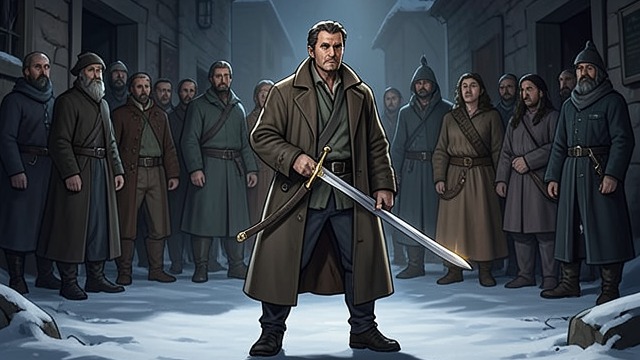
Justice Made Personal
Principle
Eddard Stark's rule requires the person who sentences a man to wield the sword.
Memory
The principle survives through Arya Stark's memories of her father.
Conflict
The war repeatedly separates judgment from responsibility, making cruelty easier to order.
Broken Vows
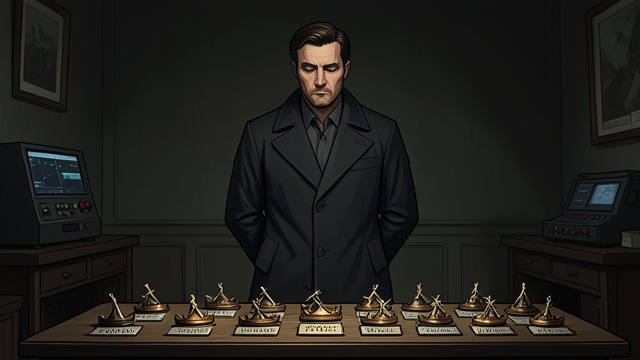
Too Many Oaths
Contradiction
Jaime Lannister describes vows to king, father, family, gods, innocents, and the weak.
Impossibility
He argues that fulfilling one vow inevitably betrays another.
Question
The story leaves honor neither simple nor meaningless; it becomes a burden whose value depends on choice.
The Stubborn Defender
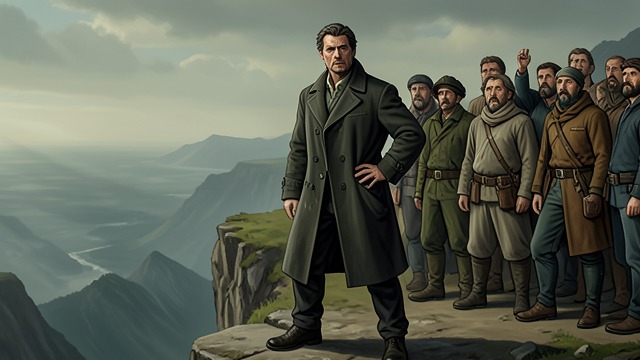
Faith Without Reward
Resistance
Cortnay Penrose refuses Stannis Baratheon's terms because he has sworn to protect Storm's End and Edric Storm.
Cost
His loyalty brings death rather than victory.
Contrast
Davos Seaworth honors him precisely because his faith remains consistent when others change sides.
The Black Cloak Choice
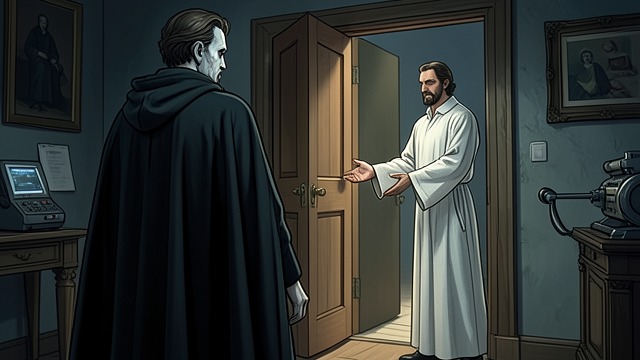
Life Through Service
Offer
Maester Luwin suggests that Theon Greyjoy take the black rather than die defending Winterfell.
Possibility
The Night's Watch would remove his crown and family claims but preserve life and honor.
Rejection
Theon chooses pride and control, showing how honor can be lost through the refusal to accept limits.
Honor in Ruins
The Last Lesson
Collapse
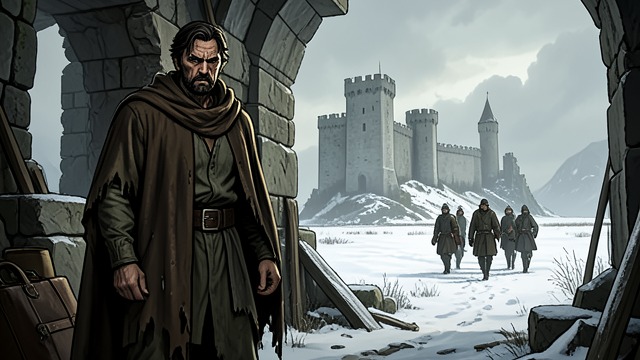
Theon Greyjoy sees that his conquest has produced only fear, corpses, and a ruined castle.
Contrast
Bran Stark and his companions preserve identity through flight, while Theon remains trapped by the role he performed.
Meaning
Honor is shown less by winning than by refusing to become what power demands.
early story
middle war
middle war
before Winterfell's final siege
near ending
