
The Knights of Summer
A Clash of KingsThis thread follows the contrast between youthful chivalric fantasy and the brutal realities of war.
increasing Bearing strength in each event
 decreasing
Bearing strength in each eventdecreasingThe Tourney of Gnats
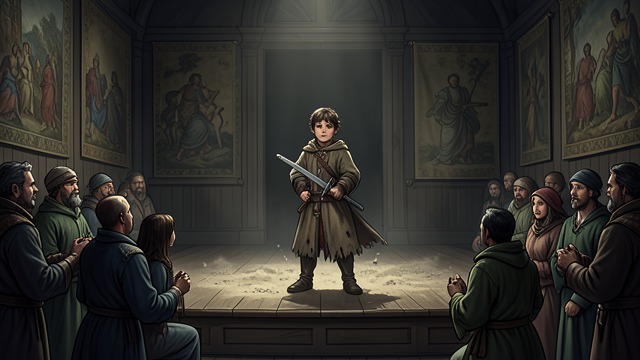
A Court at Play
Spectacle
Joffrey Baratheon's name-day tourney is small, poor, and held behind the Red Keep's walls.
Contrast
The pageant recalls Robert Baratheon's earlier tourney while revealing how diminished the court has become.
Foreshadowing
The mock combat anticipates a real war fought by boys and exhausted soldiers.
The Melee at Bitterbridge
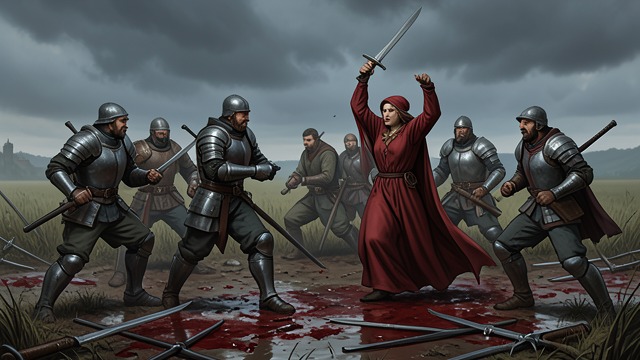
Glory in the Mud
Contest
Renly Baratheon's army turns war preparation into a grand melee.
Champion
Brienne of Tarth defeats Loras Tyrell and wins a place in the Rainbow Guard.
Irony
The event celebrates honor even as its participants fail to recognize the political danger surrounding them.
Songs of Chivalry
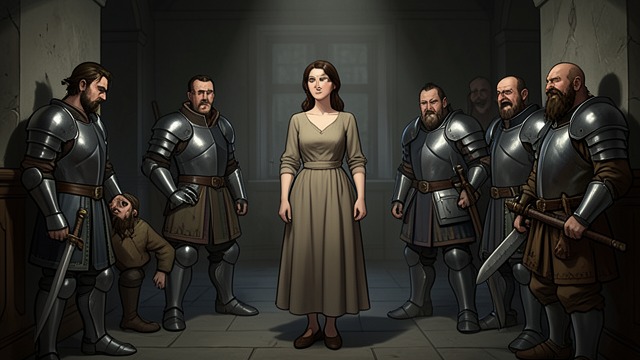
The Songs Fail
Expectation
Sansa Stark believes knights should defend women, protect the weak, and uphold justice.
Reality
The Kingsguard beats her while a drunken knight and a dwarf provide the only meaningful protection.
Revision
Her faith in the songs survives only by separating true courage from official knighthood.
Brienne's Vow
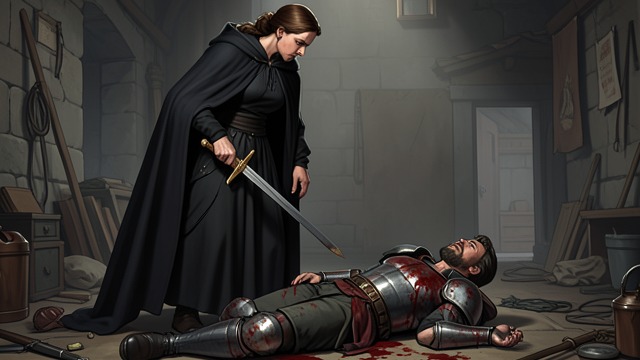
A Knight Without a King
Loss
Brienne of Tarth loses Renly Baratheon, the ruler she loved and served.
Recommitment
She offers herself to Catelyn Stark rather than abandon the moral identity built around service.
Meaning
Her knighthood becomes a practice of fidelity rather than armor, beauty, or public acclaim.
The Hound's Song
A Warrior Leaves
Fear
Sandor Clegane abandons the battlefield when Wildfire awakens his memory of burning.
Vulnerability
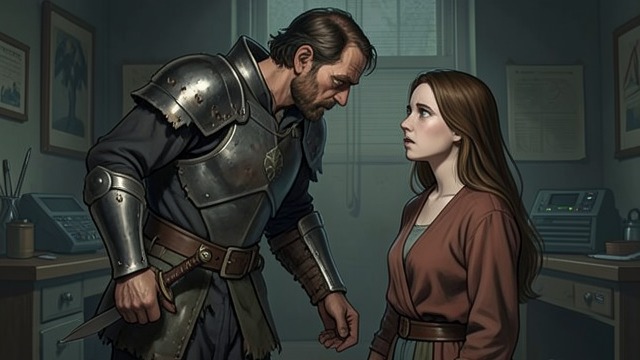
He seeks Sansa Stark and asks for a song while threatening her with a dagger.
Complexity
His brutality and desire for protection coexist, creating a broken version of the knightly ideal.
early story
middle war
through Sansa's captivity
after Renly's assassination
during the Blackwater
