
The Politics of Food
A Clash of KingsThis thread follows food from hospitality and celebration to scarcity, coercion, and battlefield logistics.
increasing Bearing strength in each event
 decreasing
Bearing strength in each eventdecreasingFeasts of Legitimacy

Meat and Mead
Hospitality
Courts use feasts to display abundance, loyalty, and hierarchy.
Contrast
Dragonstone's grim table, King's Landing's poor tourney, and Winterfell's harvest feast reveal different political conditions.
Function
Food creates belonging, but the ability to provide it also measures a ruler's strength.
Breadless Streets
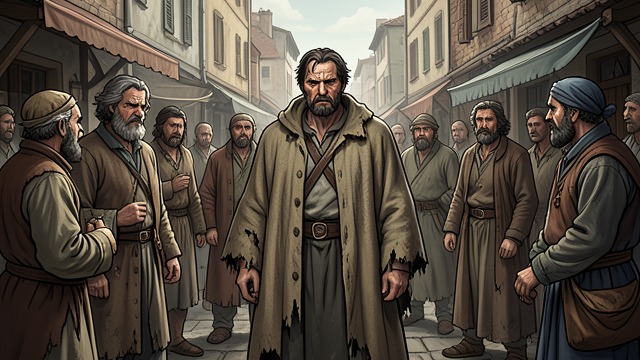
Hunger as Rebellion
Scarcity
King's Landing's markets lose farmers and gain refugees, while prices rise sharply.
Anger
The smallfolk blame the ruling family for hunger and turn the procession into a riot.
Political effect
Bread becomes more persuasive than crowns, banners, or legal claims.
The Prisoners' Broth
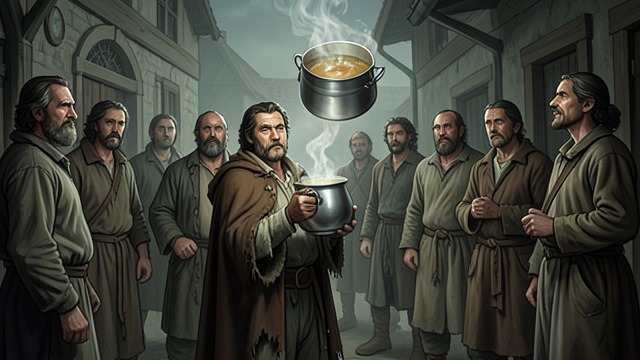
Soup as a Weapon
Plan
Arya Stark, Jaqen H'ghar, Rorge, and Biter carry boiling broth into the dungeon.
Attack
They throw it into the guards' faces and free the northern captives.
Meaning
A humble resource becomes a tactical weapon when ingenuity replaces formal power.
The Red Waste Diet
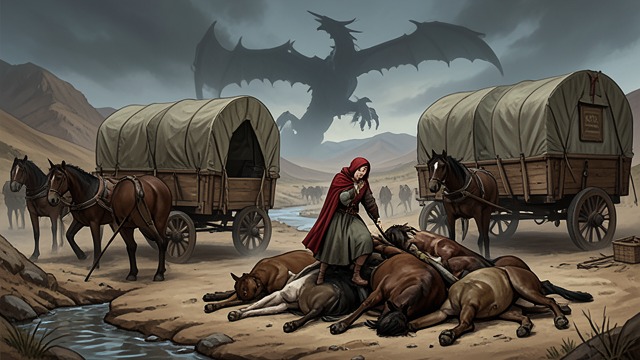
Survival by Reduction
Loss
Daenerys Targaryen's khalasar consumes its supplies, animals, and eventually its dead horses.
Leadership
She must ration water while protecting the dragons and preserving authority.
Transformation
Royal identity becomes inseparable from the physical management of hunger.
The Blackwater Supply
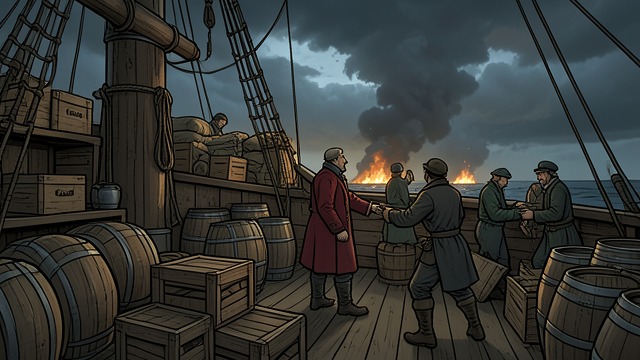
Logistics of Fire
Preparation
Tyrion Lannister gathers Wildfire, food, ships, and trained crews for the defense of King's Landing.
Vulnerability
The city cannot afford waste, but the battle consumes men, ships, and stores at extraordinary speed.
Result
The victory depends as much on supply and timing as on courage.
opening chapters
middle war
late at Harrenhal
during the crossing
during the siege
