
The Will to Live
A Murder Is AnnouncedBelle’s fragile life, Bunch’s reflections, and Charlotte’s violence distinguish attachment to life from the desire to possess more of it.
increasing Bearing strength in each event
 decreasing
Bearing strength in each eventdecreasingBelle’s Endurance

A Dying Woman’s Vitality
Pain and Persistence
Belle Goedler is kept alive by treatment but retains a strong desire to live. Her pleasure in past love, family, and ordinary kindness survives physical suffering.
A Different Measure of Fortune
She considers herself fortunate despite illness and loss. Her attitude contrasts with Charlotte’s belief that wealth can compensate for a life she considers wasted.
Bunch’s Reflection
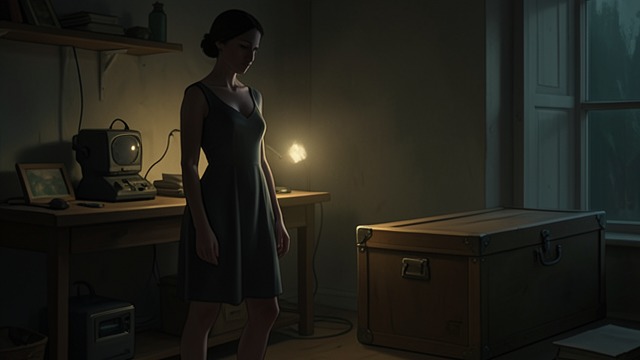
Imagining Great Wealth
Good Intentions Considered
Bunch Harmon imagines using a fortune to help unwanted children, tired mothers, and elderly women. She recognizes that even generous plans can become self-serving justifications.
A Moral Boundary
Bunch says she would not kill someone for money. Her plain conviction gives the novel an ordinary, humane measure against the murderer’s rationalizations.
Life in Small Things
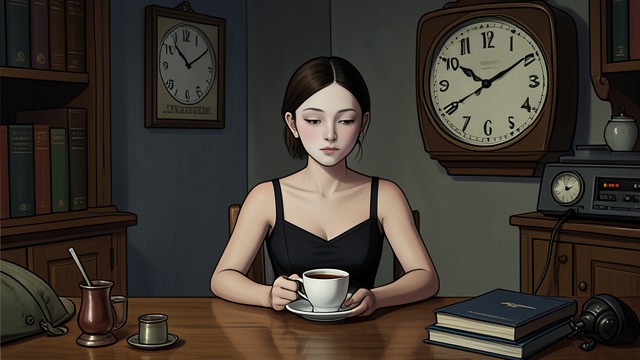
Living as Presence
Bunch’s Defense of Life
Bunch describes living as the feeling of waking and knowing that one is still present, even without happiness or comfort. She believes that people cling to life in their own way.
The Fragile and the Strong
Her reflection resists the idea that age or illness makes a life disposable. It quietly challenges the excuses later used to poison Dora.
The Mercy Excuse
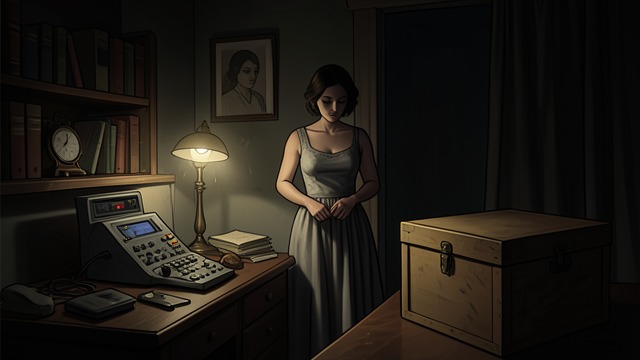
Killing Called Kindness
Charlotte’s Self-Deception
Charlotte tells herself that Dora is old and unwell and that the poisoning might be a merciful end. The explanation lets her avoid facing the selfishness of protecting her secret.
Marple’s Judgment
Jane Marple understands how fear and resentment can distort a weak person’s moral judgment. Sympathy for Charlotte’s history does not erase the choice she made.
Life Continues
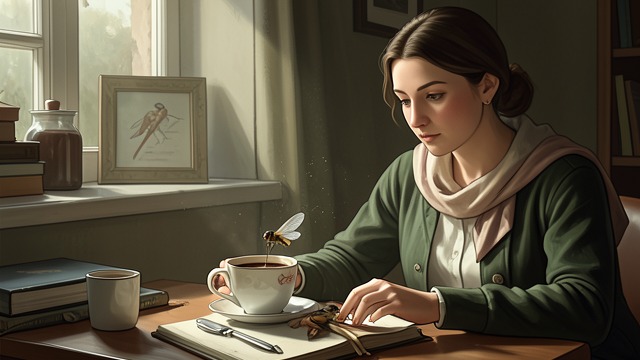
Ordinary Renewal
A Return to Conversation
After the arrest, the survivors resume talk of work, marriage, sermons, and plans. The return to ordinary life is not a denial of the deaths but a way of continuing after them.
A Humane Ending
Bunch saves a fly from the coffee and watches it recover. The small gesture echoes her belief that even a fragile creature wants to live.
During Craddock’s visit to Scotland
During conversation at the Vicarage
During the discussion at the Bluebird
During Jane Marple’s explanation of Dora’s death
The closing evening at the Vicarage
