
The Dying Planet’s Last Pilgrimage
A Princess of MarsThis flow traces the River Iss as a cultural symbol of mortality and escape, contrasting its accepted mystery with Carter’s hope for a different future.
increasing Bearing strength in each event
 decreasing
Bearing strength in each eventdecreasingAn Accepted Departure
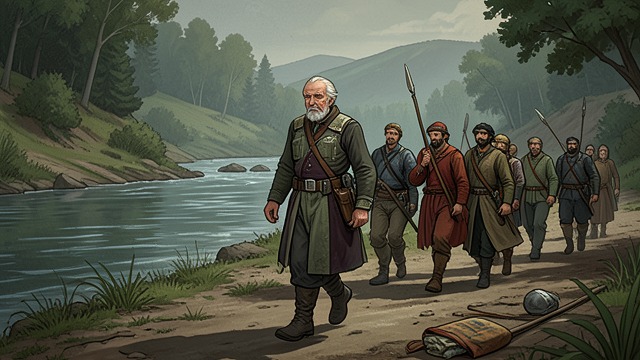
The Journey Toward Iss
A final custom
Older Martians are said to leave voluntarily down the River Iss, from which no one returns. The journey is treated as an accepted passage rather than a problem to be solved.
Death woven into culture
Carter hears of the pilgrimage while learning that many Martians die violently before old age. The custom makes mortality part of ordinary social expectation on a world where life is continually exposed to danger.
A Mystery No One Returns From
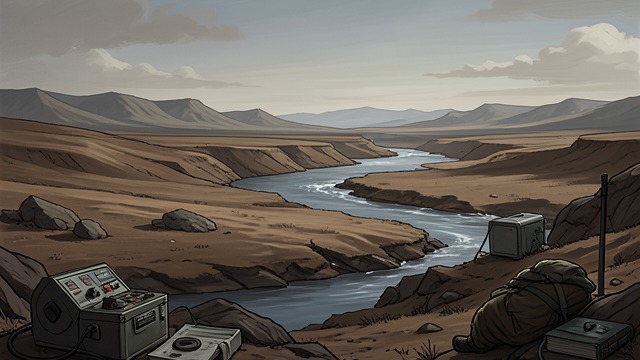
The Limits of Knowledge
A river without a witness
Dejah Thoris describes the river’s distant destination and the absence of returned travelers. The lost landscape holds the force of an afterlife without offering evidence that the living can test.
Fear and tradition coexist
The pilgrimage promises an end to the harsh existence of Barsoom, yet its destination remains unknowable. The custom offers meaning by making uncertainty a shared practice.
Violence Before Old Age
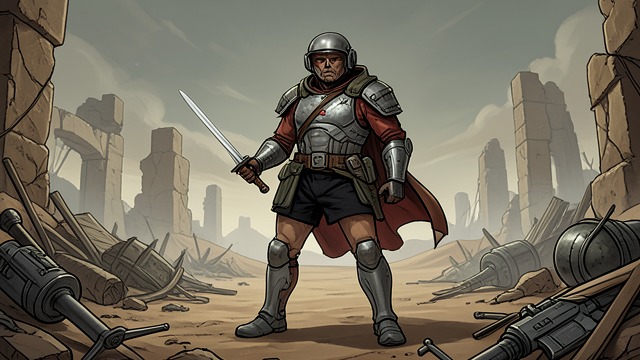
A Long Life, Often Cut Short
Longevity under threat
Martians may live for centuries, but most die in war, duels, hunting, or other violent encounters. The nominal possibility of a thousand-year life rarely becomes an ordinary experience.
A culture shaped by risk
Dangerous sports and constant readiness for combat make violence seem normal. The River Iss pilgrimage stands at the distant end of a life that has already been organized around death.
Carter Rejects Separation

Death Is Not the Only Loss
A return without certainty
Carter wakes on Earth without knowing whether Dejah Thoris survived the atmosphere crisis. His separation from her feels worse than the possibility of death itself.
A different pilgrimage
Rather than accepting distance as a final passage, Carter waits and hopes for a return to Barsoom. His longing resists the kind of resignation that the River Iss tradition represents.
Waiting Beneath Mars

The Unfinished Journey
A star that calls again
Carter sees Mars from his study and feels its pull return. The image renews his hope that the separation may not be permanent.
Mystery remains open
He imagines Dejah Thoris and a child looking toward Earth, but the image cannot confirm their fate. The book ends by keeping the unknown future alive rather than closing it with an accepted departure.
During Carter’s early account of Thark life
During Dejah Thoris’s first explanation of Barsoomian lore
During Carter’s account of Martian lifespan
After Carter returns to Arizona
Twenty years after Carter first sees Mars
