
Care and Loyalty Across Human and Animal Bonds
Aesop's FablesThis thread follows the way animals respond to human care, neglect, and dependence, revealing what makes a bond durable.
increasing Bearing strength in each event
 decreasing
Bearing strength in each eventdecreasingThe Horse Remembers the Rider’s Care
A Partnership Changes
Care During War
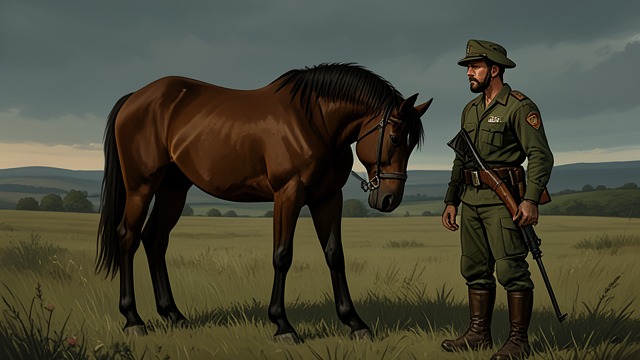
A Horse Soldier feeds and tends a charger while war makes the animal valuable. Their relationship appears reciprocal because both depend on the campaign’s demands.
Neglect Afterward
When peace comes, the Soldier gives the Horse poor food and heavy labor. At the next call to battle, the Horse cannot bear its equipment, showing how a bond damaged by neglect cannot instantly be restored.
The Old Hound Defends His Service
A Lifetime of Loyalty
A Failing Hold
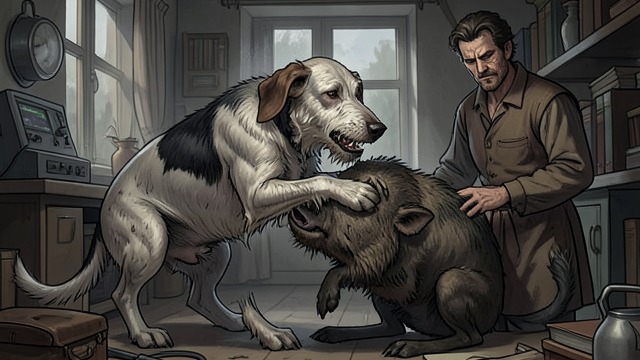
An aged Hound catches a Boar but cannot hold it because its teeth have weakened. Its master arrives and scolds it for the escape.
A Claim to Honor
The Hound says its spirit remains willing even though its body has declined. It asks to be judged by the service it gave in youth rather than blamed only for present infirmity.
The Shepherd’s Dogs Read the Storm
Dependents Assess Their Master
Slaughter for Survival
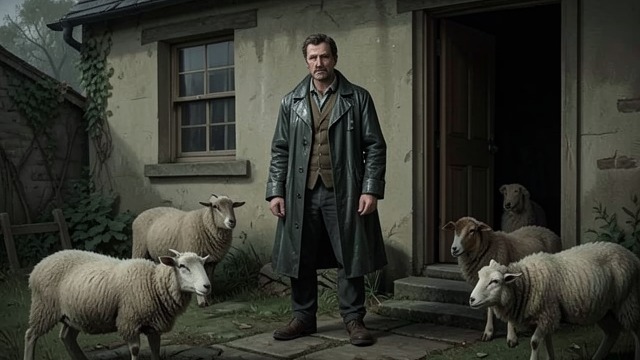
A storm confines a man to his country house, and he kills sheep, goats, and then the oxen for food. The household’s animals observe the escalating cost.
The Dogs Depart
The Dogs reason that a master who spares neither useful oxen nor other dependents cannot be trusted to spare them. Their decision turns loyalty into a judgment about how they are treated.
The Horse Refuses a Delayed Gift
Dignity and Immediate Need
A Request for Feed
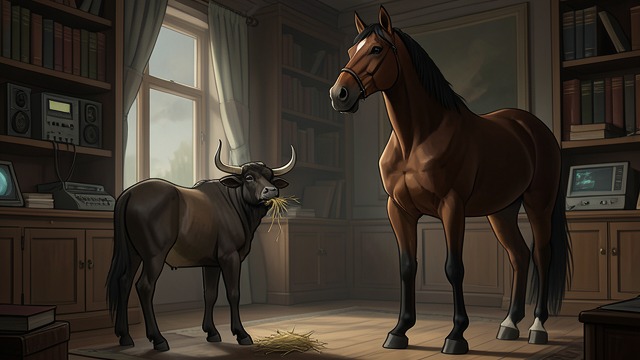
An Ass asks a Horse for a small share of what it is eating. The Horse offers help later, framed as a favor reflecting its own dignity.
The Bond Is Questioned
The Ass refuses to rely on a future promise from someone unwilling to help now. Its response treats kindness as a present practice, not a status claim or postponed intention.
The Peacock Seeks Recognition
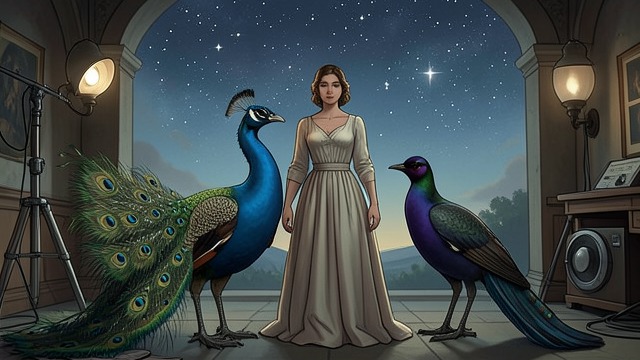
Different Gifts, Different Longing
A Complaint to Juno
A Peacock tells Juno that the Nightingale wins admiration through song while its own voice invites laughter. Its beauty does not satisfy its wish to be praised for music.
The Gifts Are Named
Juno describes different endowments assigned among birds and urges contentment. The exchange offers consolation, but the Peacock’s complaint preserves the emotional distance between possessing a gift and wanting another.
In the early middle fables
In the middle collection
In a later fable
Among the final social fables
Late in the collection
