
Desire Outruns What Can Be Kept
Aesop's FablesThis thread traces how appetite for extra wealth, pleasure, or status destroys a secure but limited good.
increasing Bearing strength in each event
 decreasing
Bearing strength in each eventdecreasingThe Hen’s Golden Eggs
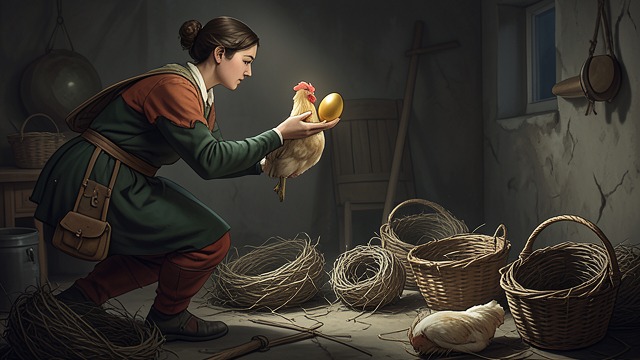
A Daily Good Destroyed
The Golden Promise
A Hen lays a golden egg every day, giving its owners a repeated and reliable benefit. The couple imagine that the bird must contain a much larger store of gold.
A Fatal Shortcut
They kill the Hen and find no hidden treasure. Their wish to possess everything at once destroys the steady gain they already had.
The Woman Doubles the Hen’s Feed
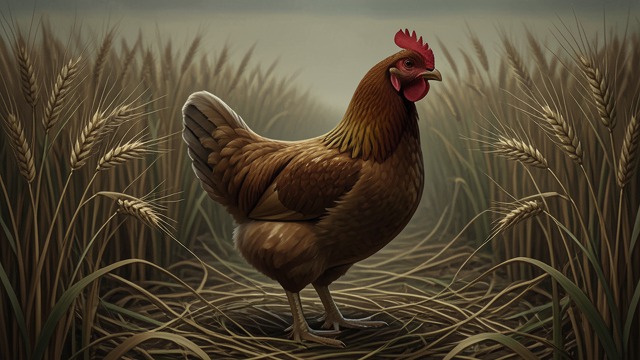
More Is Not Always Better
A Daily Egg
A Woman’s Hen gives one egg each day. The owner begins to wonder whether more food might produce two.
Production Stops
She doubles the barley allowance, and the Hen grows sleek but stops laying. The attempt to increase a regular return undermines the conditions that supported it.
The Dog Grabs at Imagined Meat
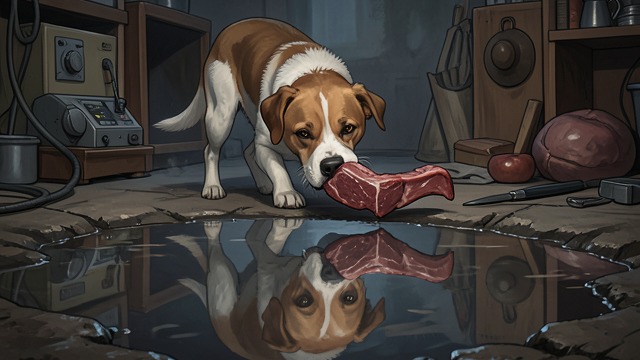
The Real Prize Is Released
A Reflection Misread
A Dog carrying meat sees an image in the water and mistakes it for a rival holding a larger portion. The imagined gain seems more valuable than the actual food.
Greed Leaves Empty Hands
The Dog attacks the reflection and loses its own meat to the stream. The failure makes desire’s cost immediate and irreversible.
The Eagle Promises an Ostrich
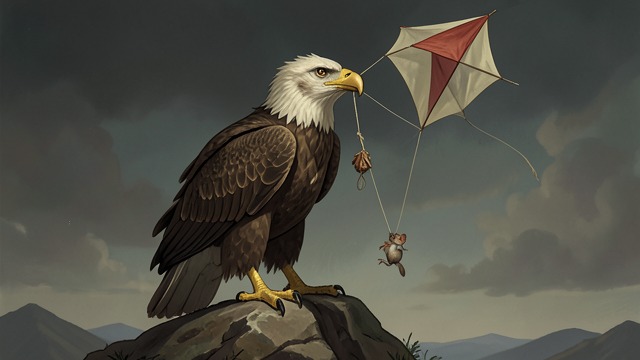
Courtship by Exaggeration
A Claim of Strength
An Eagle seeks a mate and hears a Kite boast that it can carry off an Ostrich. Persuaded by the claim, the Eagle accepts it.
A Mouse Instead
The Kite brings back a shabby Mouse and admits it promised anything to win the Eagle’s hand. The desired status was gained through words that could not be converted into the promised provision.
The Dog Eats the Oyster Whole

Appetite Before Examination
An Egg-Lover’s Mistake
A Dog used to eating eggs sees an Oyster and swallows it whole, assuming that any rounded object must be an egg. Familiar appetite substitutes for careful recognition.
Pain and Understanding
The Dog suffers afterward and sees its own folly. The lesson is not simply restraint, but the need to inspect a desired object before acting on an assumption.
In the early animal fables
In a later domestic fable
In an early fable
In the late animal fables
In the final group of fables
