
Aesop’s Life and the Survival of His Name
Aesop's FablesThis thread follows the biographical outline of Aesop and the long passage of fables through collection, translation, and rediscovery.
increasing Bearing strength in each event
 decreasing
Bearing strength in each eventdecreasingA Slave Born in Lydia
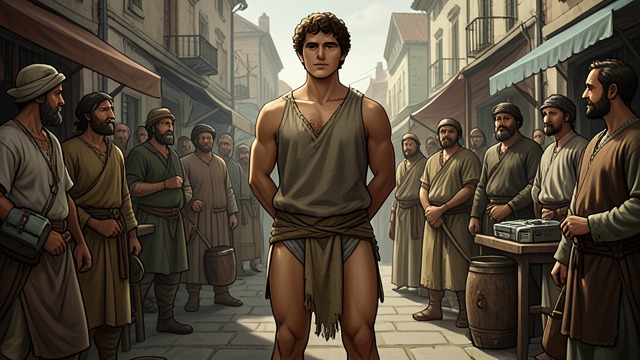
An Uncertain Beginning
Competing Birthplaces
The account names several cities as possible birthplaces and treats the precise location as unresolved. It presents Aesop as born around 620 B.C. and as enslaved by birth.
A Life Beyond Status
The biography frames his later reputation as a movement from servile beginnings toward public renown. Its emphasis is not certainty about every detail, but the contrast between social status and intellectual achievement.
Freedom Through Wit

Learning and Manumission
Two Masters
The account says Aesop belonged successively to Xanthus and Jadmon on Samos. It attributes his eventual freedom to Jadmon, who rewarded his learning and wit.
A New Public Position
As a freedman, Aesop could take part in public affairs. The biography presents release from slavery as a change in practical standing, while his reputation continues to depend on the use of intelligence.
Croesus Sends Aesop Abroad
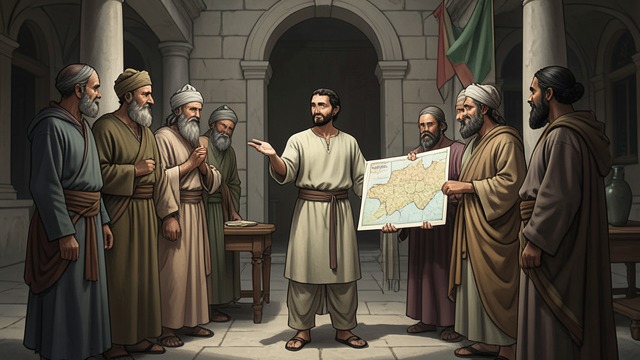
Counsel at Court
Royal Patronage
At Sardis, Aesop meets Croesus and other sages. The account says his contribution to their discussions earns the praise that the Phrygian has spoken better than all.
Diplomatic Work
Croesus employs Aesop in difficult affairs of state and sends him to Greek communities. His fables become not only moral instruction but a means of addressing political tensions.
The Fatal Mission to Delphi

An Embassy Ends in Death
A Disputed Distribution
Sent to Delphi with gold for the citizens, Aesop is angered by their covetousness and refuses to distribute it. He returns the money to Croesus rather than proceed as commanded.
Execution and Remembrance
The Delphians accuse him of impiety and execute him despite his diplomatic status. The account says later calamities lead to public reparation, and the phrase “The blood of Aesop” becomes a warning about unpunished wrongdoing.
The Fables Find New Readers
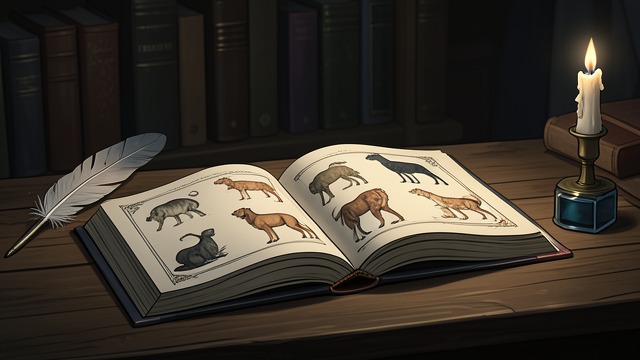
A Text Reassembled
Medieval Collection and Print
Maximus Planudes gathers a collection in the 14th century. After the Fall of Constantinople, renewed western interest helps bring the fables into print and translation, including Caxton’s 1485 English edition.
A Manuscript Discovery
Nevelet’s 1610 collection enlarges the available corpus. In 1844, a manuscript of Babrius is discovered on Mount Athos, strengthening the history of the fables’ transmission without making their authorship simple.
About 620 B.C.
During Aesop’s adult life
After Aesop joins the court of Croesus
Late in Aesop’s life
From the 14th century to 1844
