
The Fable Collection as Political Counsel
Aesop's FablesThis thread follows how animal encounters expose the mechanics of leadership, alliance, and collective security.
increasing Bearing strength in each event
 decreasing
Bearing strength in each eventdecreasingA Peaceful Lion’s Proclamation
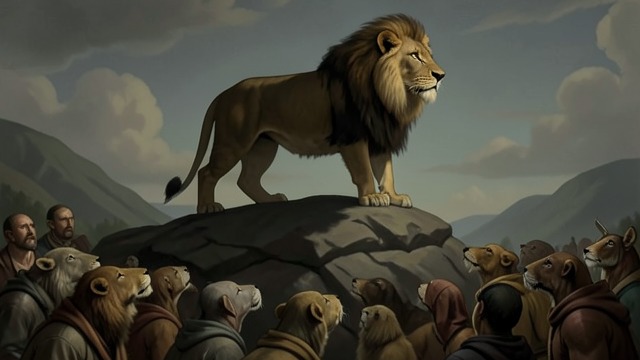
A King Announces Harmony
The League
A Lion proclaims a universal league in which traditional enemies are to live in peace. The announcement imagines political authority restraining the violence of the powerful.
The Hare’s Doubt
The Hare welcomes the prospect that the weak may stand beside the strong, then runs for its life. The response reveals that a public promise of safety cannot instantly erase the fear produced by past danger.
Frogs Reject Their First King
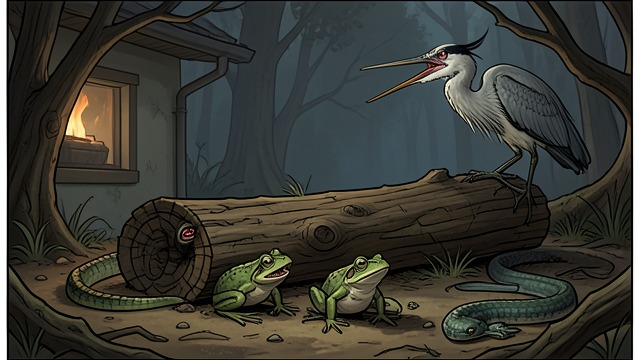
Dissatisfaction With Rule
The Silent Log
Frogs ask Jupiter for a ruler, and he sends a log that frightens them before they discover it is inert. They soon treat their new king with contempt.
Escalating Complaints
An Eel follows, then a Heron that devours the Frogs. The sequence turns repeated dissatisfaction into a warning about demanding change without judging what the alternatives may bring.
The Mice Choose Generals
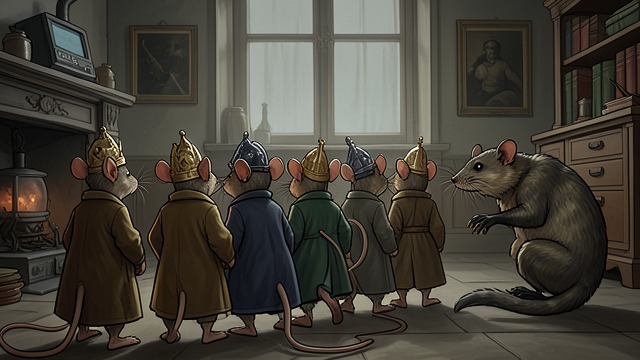
Order Does Not Guarantee Safety
A New Army
After repeated defeats by Weasels, the Mice organize ranks and appoint decorated leaders. They believe discipline and visible authority will correct the cause of their failures.
The Escape Into Holes
When the battle turns, the generals cannot enter their holes because of the ornaments on their heads. Their new organization creates status and danger without overcoming the enemy’s practical advantage.
The Mice Debate a Bell
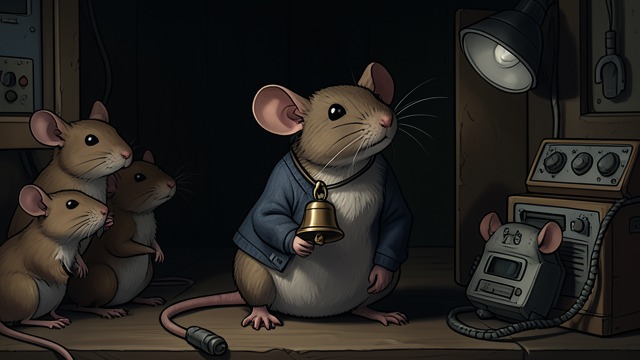
A Plan Without a Volunteer
The Proposal
A council of Mice seeks a way to detect the Cat and approves a bell attached to its neck. The plan sounds effective because it separates the strategic idea from its physical execution.
The Unanswered Question
No Mouse will take on the task. The episode distinguishes agreement from capacity: a community may identify a danger and imagine a solution while remaining unable to act on either.
The Wolves Divide the Dogs
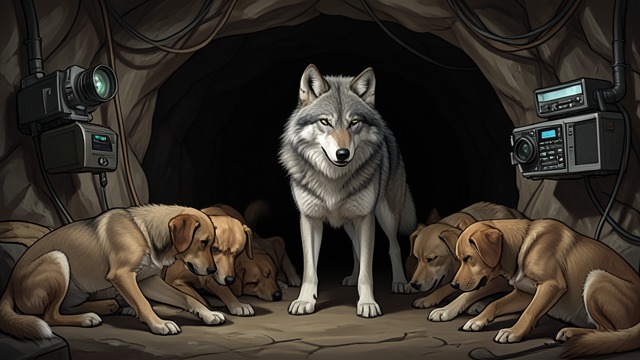
A False Appeal to Brotherhood
The Wolves’ Pitch
Wolves tell Sheepdogs that they share much in common and ask them to abandon service to humans. Their appeal stresses shared hardship while concealing the immediate danger to the flock.
The Dogs Enter the Den
The Dogs accept and are torn apart. The ending shows how solidarity can be manipulated when a proposed alliance asks one party to surrender the protections on which its survival depends.
Among the opening political fables
In the collection’s early political sequence
In the middle political fables
Later in the animal-society fables
Near the final animal-conflict fables
