Collection of Aesop's Fables (1610) published
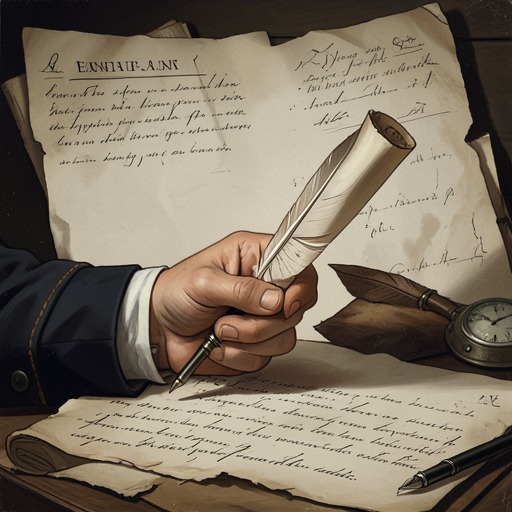
Aesop's FablesThe 1610 publication of Isaac Nicholas Nevelet’s Mythologia Aesopica was a major turning point in the early modern reception of Aesopian fables: its expansive gathering of texts made it, in the preface’s account, the most complete collection yet published and a foundation for the tradition’s renewed and lasting fame. Rather than representing a single author’s work, the volume presented fables transmitted, adapted, and collected across centuries.
A Collection Built from Earlier Traditions
Nevelet’s book appeared as the third printed edition of the fables. It retained the collection associated with Maximus Planudes, which had been reprinted in earlier editions, but substantially enlarged that base. Its contents included 136 fables from Vatican Library manuscripts that had never before been published, 40 fables attributed to Aphthonius, and 43 from Babrias. Latin versions by Phaedrus, Avienus, and other writers further set the material within a history of retelling across languages and forms.
The book’s scale and arrangement mattered because the fables had not passed down as a stable, single-authored text. The preface traces their early existence as stories narrated by Aesop and preserved through oral tradition; it then describes later acts of versification, collection, translation, and scholarly compilation. Socrates is said to have turned some fables he remembered into verse, while Demetrius Phalereus was credited with an early collection. Phaedrus adapted many into Latin iambics, and Aphthonius rendered some into Latin prose. Nevelet’s volume brought together materials associated with these different stages without making their histories identical.
From Scholarly Compilation to Literary Revival
The preface calls Mythologia Aesopica a complete Corpus Fabularum Aesopicarum and presents Nevelet’s work as the culmination of a long revival. Its importance lay not only in the number of stories it gathered but also in its synthesis of printed collections, manuscript discoveries, and earlier Latin versions. The book gave readers a broad corpus through which to encounter fables attributed to Aesop and to other transmitters of the tradition.
The preface credits the collection with restoring Aesop to universal favor as a moral teacher. It also reports that, in the three centuries following its publication, the fables achieved an exceptionally wide circulation, were translated into many European and Eastern languages, and became familiar in everyday conversation across countries and religious communities. These claims make the 1610 volume a key point in the account’s history of reception: it is presented not merely as another edition, but as a work that helped carry the fables from learned collections into widely shared literary culture.
Babrias and the Question of Authorship
Nevelet’s preface also gave lasting importance to the question of Babrias. It reports that he proposed Babrias might prove to be the actual author of the existing form of the Aesopian fables, a suggestion that prompted later inquiry into the relationship between Aesop’s name and the texts transmitted under it. The identification remained a question of literary history, not a settled claim that Nevelet’s book itself could conclusively resolve.
The later account of Babrias’s manuscript underscores the layered nature of the tradition Nevelet assembled. In 1844, Menoides found a manuscript at the convent of St. Laura on Mount Athos, containing a choliambic version divided into two books of 125 and 95 fables. Its discovery was described as confirming earlier critical conjectures and bringing valuable material to light. The preface identifies the recovered Babrias text as an important witness to the antiquity and authenticity of much Aesopian fable, while distinguishing this later manuscript discovery from Nevelet’s earlier printed collection.
The Collection’s Place in the Book’s Transmission History
The translation’s source list identifies editions of Babrias prepared by George Cornewall Lewis, including a 1846 publication and a 1857 edition of the second part from manuscript. It also names a 1810 edition of fables as transmitted before Planudes and an 1822 edition of Phaedrus. These later works make clear that the book’s account of the tradition is not a simple line of descent from one author to one text: it depends on collections, manuscript witnesses, adaptations, and editorial decisions made at different times.
The publication of Mythologia Aesopica thus occupies two related roles in the preface. It is a substantial seventeenth-century compilation in its own right, bringing together materials from distinct sources, and it is the decisive landmark through which the book narrates the restoration of Aesopian fables to broad literary circulation. Its significance rests on that combination: preservation of a diverse textual inheritance and renewed public life for stories whose forms and authorship had long remained in motion.