
The Family Learns to Share Space
Always and Forever, Lara JeanThe household’s adjustment to Trina reveals how meals, objects, and rituals make belonging tangible and sometimes contested.
increasing Bearing strength in each event
 decreasing
Bearing strength in each eventdecreasingThe Fresca in the Cupboard
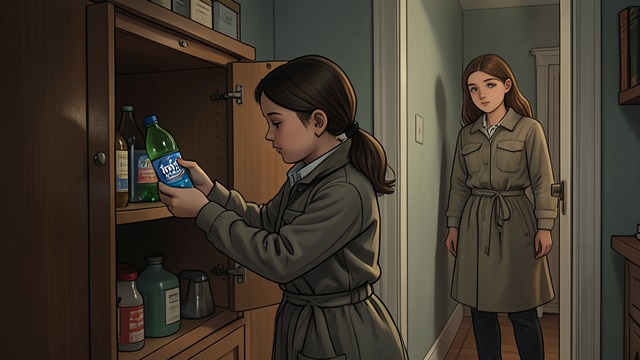
The Fresca in the Cupboard
Domestic details noticed
Margot Song reacts when Trina Rothschild offers Ravi a Fresca from the family cupboard. The drink is a small sign that Trina has brought her own preferences into the household.
Lara Jean Covey sees nothing troubling in keeping Trina’s favorite soda at home. Margot sees the gesture as evidence that the house has changed while she was away.
Difference made visible
The sisters’ disagreement is about more than a beverage. Domestic habits become a way of measuring who has been allowed to shape the home.
Food at the First Dinner
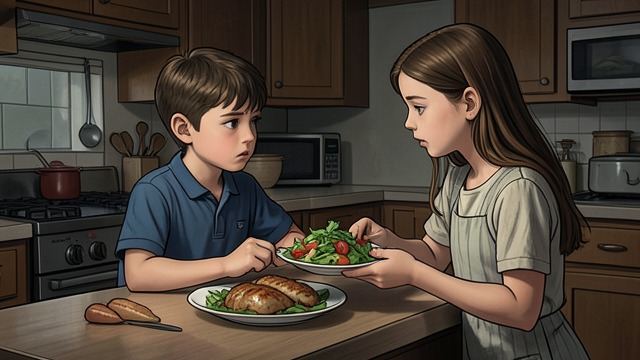
Food at the First Dinner
A missed detail
Dan Covey prepares chicken for dinner before learning that Ravi does not eat meat. Margot admits she forgot to tell him, and the family quickly adjusts by offering salad and extra portions to the others.
The awkward moment becomes a chance for Dan to show hospitality rather than resentment. He promises to cook Ravi a meat-free breakfast another day.
Welcome through care
The meal shows how a family makes room for a newcomer through practical accommodation. Shared food can expose differences, but it can also turn them into invitations.
Clothes and Clutter
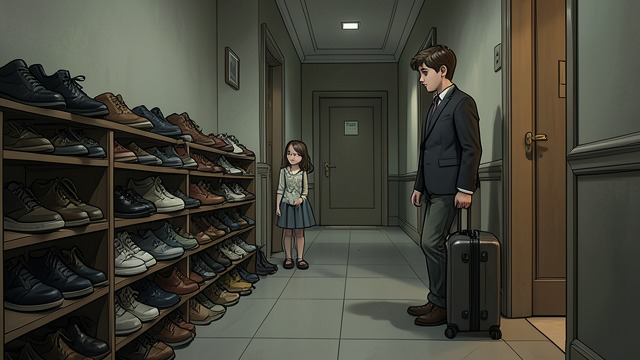
Clothes and Clutter
A crowded household
Trina Rothschild brings many belongings into Dan Covey’s larger house, filling closets and rooms. Margot Song notices the crowded shoe storage when she returns home, while Lara Jean Covey has gradually accommodated it.
The different responses reveal who has had time to adjust. Trina’s possessions make the new relationship physically undeniable, while Margot experiences them as an intrusion into a familiar space.
Sharing is negotiated
The house becomes a practical test of how several adults and children can coexist. Affection alone does not decide where things go or whose habits will prevail.
The Hair in the Drain

The Hair in the Drain
A small household dispute
Trina Rothschild asks Margot Song to clear her hair from the shower drain. Margot responds by complaining about the dog fur that gathers on her clothes, and Trina points out that Dan Covey rarely vacuums.
The exchange escalates because each woman feels the other is overlooking her contribution and discomfort. Lara Jean Covey recognizes that neither complaint is entirely unreasonable.
Family friction
The disagreement makes the home feel shared in a new, imperfect way. Domestic intimacy includes irritating habits as well as affection.
The Mother’s Portrait
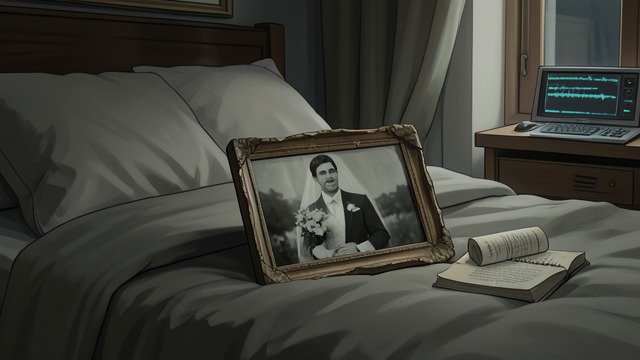
The Mother’s Portrait
An object relocated
Lara Jean Covey moves her parents’ wedding photograph into her room before Trina Rothschild fully settles into the home. The choice reflects Lara Jean’s wish to avoid making Trina uncomfortable.
The portrait’s absence changes the shared living room, even though the photograph remains safe. Lara Jean senses that honoring one relationship while welcoming another requires careful attention.
Space and remembrance
The episode shows how objects help families define who belongs in a home. Making room for change does not necessarily mean abandoning memory.
the evening Margot and Ravi arrive
the evening Ravi is welcomed home
during Trina’s move into the Covey home
the day before graduation
after Trina’s move, before graduation
