
Confucius's Lifelong Vocation
AnalectsThis thread traces Confucius's movement from disciplined learning toward public service and a final acceptance that principle may outlast political success.
increasing Bearing strength in each event
 decreasing
Bearing strength in each eventdecreasingA Youth Bent on Learning

The First Commitment
A Chosen Direction
Confucius later recalls that at fifteen he set his mind on learning.
This memory makes education a deliberate vocation rather than inherited status.
His later teaching begins in this act of self-direction.
A Life Taking Shape
Learning becomes the basis for judgment, conduct, and service.
The youthful commitment anticipates a life measured by moral cultivation.
Its consequences unfold through every later encounter.
Standing Firm
Becoming Steady
A More Settled Self
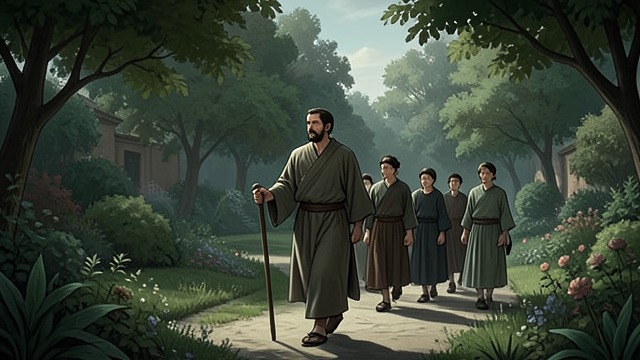
Confucius describes himself as standing firm at thirty.
The milestone marks a stability that youthful study alone could not provide.
His principles increasingly guide action rather than remain aspirations.
The Work Continues
Firmness does not mean that inquiry has ended.
It gives him a foundation for facing public disorder and personal uncertainty.
The account presents maturity as a stage in continued practice.
Heaven's Decree
Recognizing Limits
A Larger Order
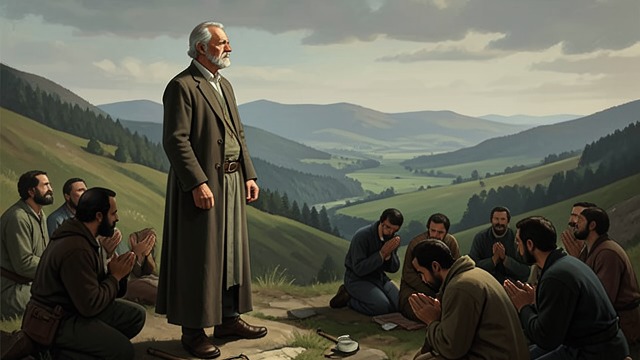
At fifty, Confucius says, he came to know Heaven's decrees.
That recognition situates human ambition within an order beyond individual control.
It offers neither easy success nor permission to abandon responsibility.
Purpose Under Constraint
His political efforts continue despite the limits of circumstance.
The teaching joins humility about outcomes to steadiness in conduct.
Later crises test this understanding directly.
Following the Heart
Freedom Within Measure
Desire and Discipline
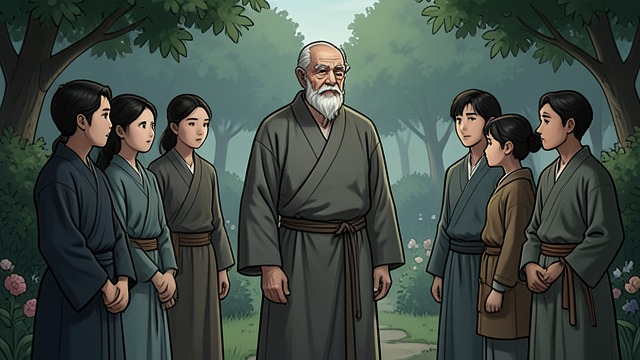
At seventy, Confucius says he could follow his heart without crossing what was right.
The achievement unites spontaneity with a lifetime of self-restraint.
Moral rules have become practiced judgment rather than external burdens.
A Vocation Fulfilled
This late-life portrait offers the most complete expression of his educational ideal.
Freedom comes through cultivation, not escape from standards.
His life story resolves in ethical ease, not political office.
A Teacher Still at Work
The Unfinished Calling
Knowledge Shared
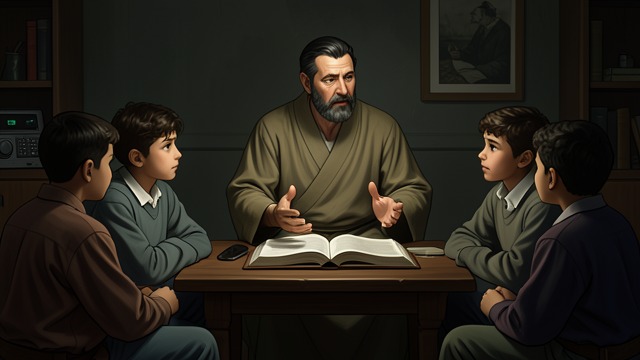
Confucius teaches through study, example, questions, and correction.
He says he is not born knowing, but seeks antiquity with energy.
His authority rests on sustained effort rather than a claim to perfection.
Work Beyond Office
He continues instructing even when public employment remains uncertain.
The vocation survives rejection because it can be practiced among students.
Teaching becomes the durable form of his public service.
At age fifteen
At age thirty
At age fifty
At age seventy
In his final teaching years
