
Confucius's Road Through Danger
AnalectsThis thread follows Confucius through danger, hunger, and encounters with withdrawal, revealing how he maintains a public vocation without denying hardship.
increasing Bearing strength in each event
 decreasing
Bearing strength in each eventdecreasingThreatened at Kuang
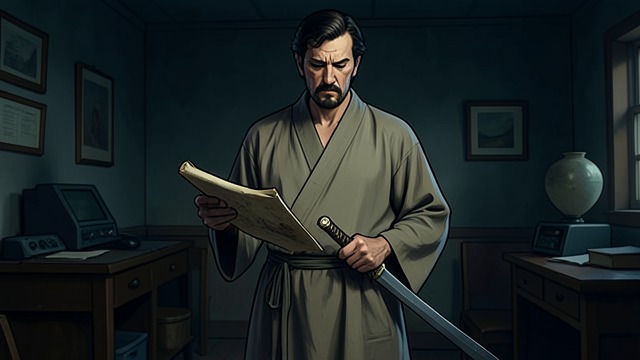
A Life Under Threat
The Master's Fear
Confucius is placed in danger at Kuang.
He declares that the cultural inheritance associated with King Wen is entrusted to him.
If Heaven has not abandoned that inheritance, his attackers cannot decide its fate.
Confidence Without Force
The claim gives him composure in a dangerous situation.
He does not answer threat with a boast of physical power.
His defense rests on duty and a larger order.
A Student Missing
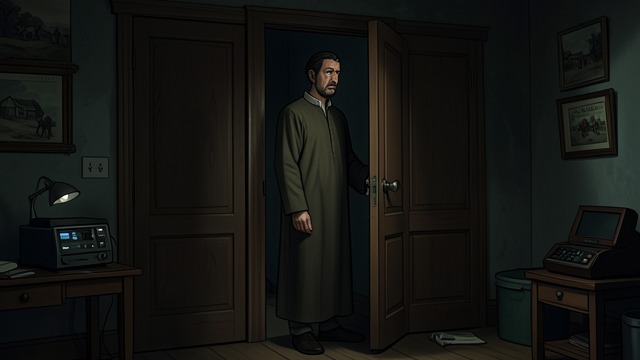
Fear Reversed
Yan Hui Falls Behind
Yan Hui is separated from the party during the danger at Kuang.
When he returns, Confucius says he thought him dead.
The remark reveals the teacher's personal fear beneath public composure.
Loyalty Answered
Yan Hui replies that while the Master is alive, how could he dare to die?
Their brief exchange joins danger with loyalty.
The incident deepens the bond that makes Yan Hui's later death devastating.
Hunger at Chen and Cai
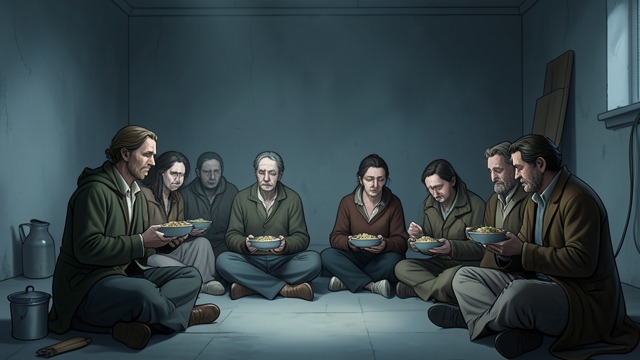
Want Without Abandonment
The Followers Falter
In Chen, the provisions run out and Confucius's followers become too ill to rise.
Zilu asks whether a superior person must endure such hardship.
Physical need becomes a direct test of their teaching.
Distinct Responses to Want
Confucius answers that a superior person may endure poverty without losing measure.
A lesser person may instead give way to disorder.
The ordeal turns a moral distinction into lived experience.
The River's Lesson
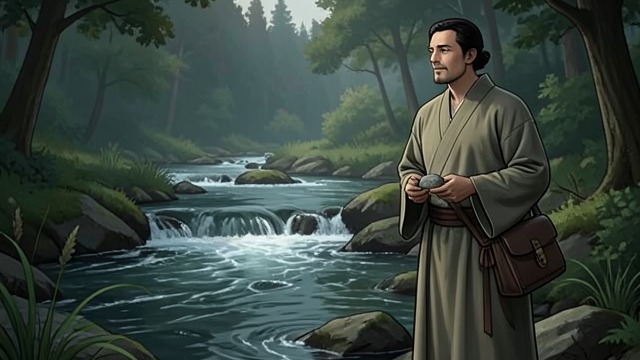
Time in Motion
An Image of Passing
Confucius stands beside a stream and observes that it passes on without ceasing, day or night.
The movement makes time perceptible without stopping it.
The saying carries urgency without demanding panic.
Work Against Delay
The image resonates with a life repeatedly denied stable office.
It encourages continued practice while opportunity lasts.
Time's passage gives moral effort its pressure.
Continuing Despite Impossibility
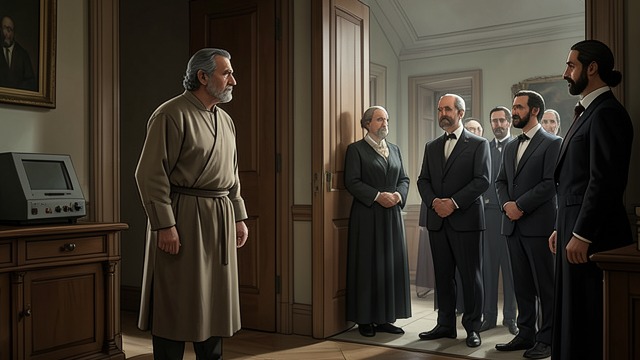
The Unfinished Public Project
The Gatekeeper's Judgment
Zilu is told that Confucius knows the times are impracticable and yet continues to act.
The description captures the apparent futility of his journeys.
His persistence is visible even to strangers.
Choosing the Human World
Confucius says he cannot live among birds and beasts instead of people.
If right principles prevailed, he would not need to change the world.
Until then, he continues among human beings.
During the journey through Kuang
As the party leaves Kuang
During the journey through Chen and Cai
During a pause beside a stream
In the final accounts of Confucius's political wandering
