
Ritual as the Shape of Care
AnalectsThis thread deepens ritual from external ceremony into a disciplined expression of respect, grief, justice, and fitting social relations.
increasing Bearing strength in each event
 decreasing
Bearing strength in each eventdecreasingEase Regulated by Form

Harmony Needs Measure
Natural Ease
Youzi says ease is valuable in practicing ritual.
The ancient kings' way valued harmony in matters both large and small.
Ritual should not make human relations needlessly stiff.
Limits on Spontaneity
He warns that ease without ritual's regulation also fails.
A pleasant feeling does not automatically make conduct appropriate.
Good form gives harmony a reliable shape.
Sorrow Before Display
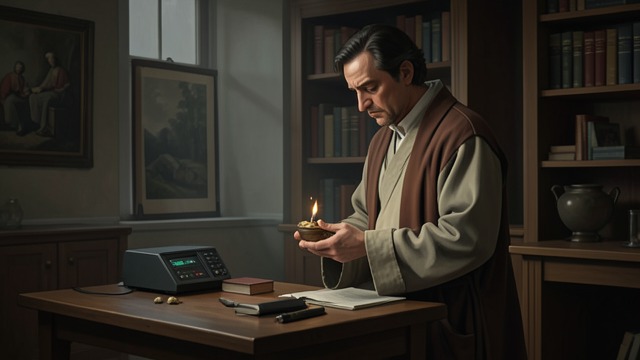
Grief as the Measure
Restraint in Celebration
Confucius says a festive ceremony should be frugal rather than extravagant.
The point is not to outspend others.
Attention should remain on the shared occasion.
Mourning With Feeling
In mourning, deep sorrow matters more than exactness for its own sake.
Ritual has value when it carries genuine human feeling.
Its details must not obscure the loss.
The Body Learns Respect
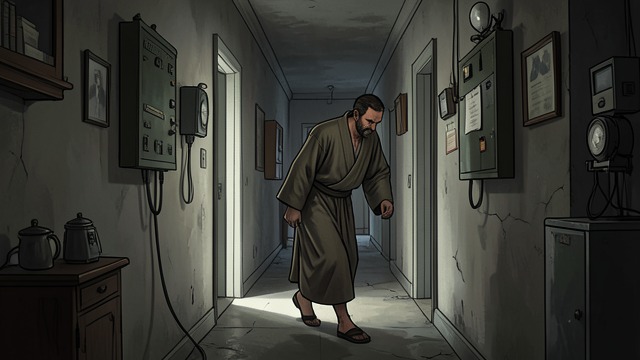
Propriety in Movement
A Visible Discipline
Confucius bends when entering the palace gate, avoids the center of the doorway, and moves carefully before the ruler's place.
The account records precise bodily actions.
Respect is embodied rather than merely announced.
Meaning Beyond Performance
These gestures acknowledge relationships of authority and obligation.
Their value depends on sincerity, not on anxious display alone.
Ritual trains the body to recognize others.
The Blind Musician Guided
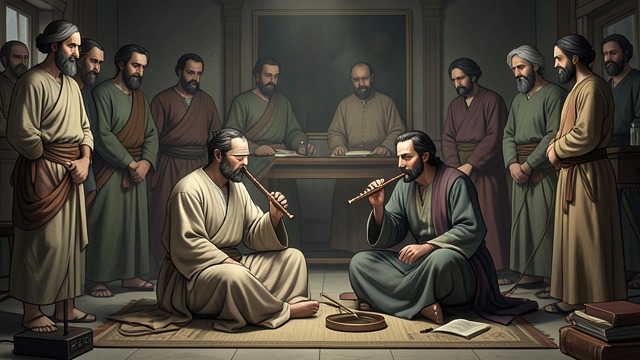
Ritual as Consideration
An Accessible Welcome
Confucius tells Music-master Mien where the steps and mat are.
He then identifies the people present after they sit.
The directions respond to what the visitor needs.
Courtesy Made Useful
Zizhang asks whether this is the proper way to speak to a music master.
Confucius says it is the established way of guiding the blind.
Ritual becomes practical attentiveness rather than empty ceremony.
Ceremony Beyond Its Objects
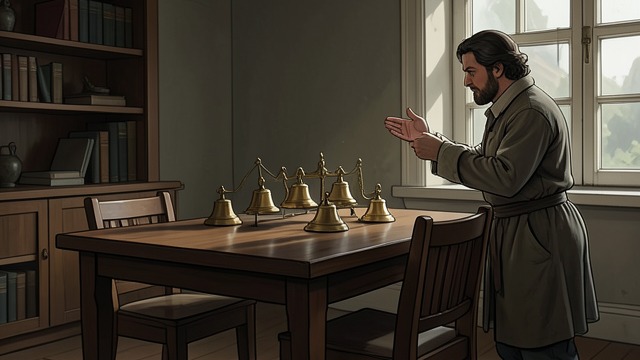
More Than Vessels and Bells
A Challenge to Reduction
Confucius asks whether ritual means only gems and silk.
He asks whether music means only bells and drums.
The questions refuse to reduce culture to its visible objects.
Inner Purpose
Rites and music require the ethical substance that gives them meaning.
Without that substance, performance becomes a shell.
The thread resolves by joining outward form to inward care.
During Youzi's reflection on ritual
During Lin Fang's question about ceremonial foundations
During Confucius's account of conduct in court
During the visit of Music-master Mien
During the teaching on rites and music in Yang Huo
