
Learning Made Practical
AnalectsThis thread traces Confucius's account of learning as a cycle of study, reflection, practice, correction, and transmission.
increasing Bearing strength in each event
 decreasing
Bearing strength in each eventdecreasingPractice After Study
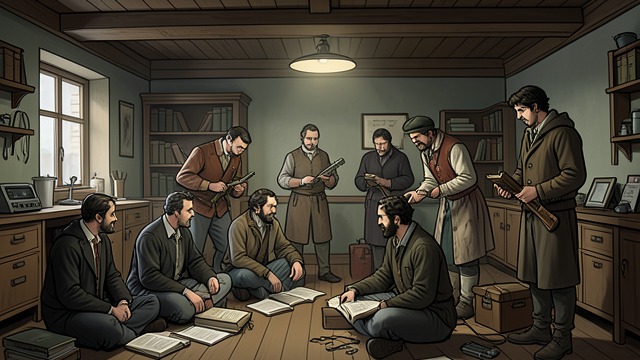
Learning Revisited
A Repeated Discipline
Confucius asks whether learning followed by regular practice is not a pleasure.
Knowledge must return in use rather than remain stored as information.
The opening establishes repetition as a source of enjoyment.
Learning Among People
Friends arriving from afar extend study into shared life.
The learner's composure does not depend on public recognition.
Education begins with both practice and an inward measure of worth.
Thought Beside Study
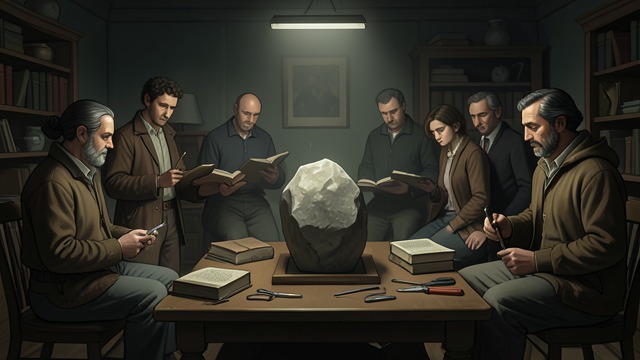
Two Necessary Movements
The Danger of Imbalance
Confucius warns that study without thought becomes futile labor.
Thought without study, in turn, becomes dangerous.
Neither collecting words nor privately reasoning is sufficient alone.
Judgment Through Combination
The warning turns learning into an active exchange between evidence and reflection.
Students must test ideas against what they have studied.
The method guards against both credulity and speculation.
One Corner Offered
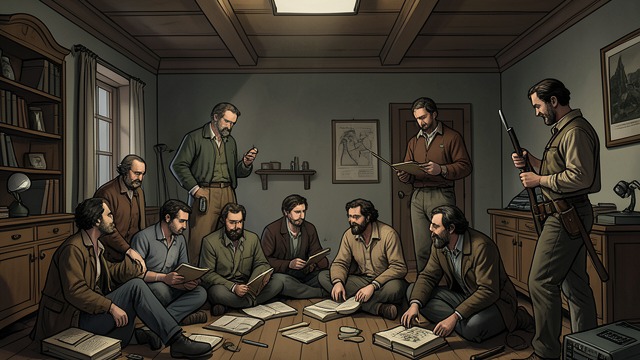
The Student's Share
Invitation Rather Than Dictation
Confucius says he does not open a subject to someone who lacks eagerness.
He offers one corner and expects the learner to infer the other three.
Instruction demands initiative from both teacher and student.
A Standard of Readiness
The method refuses to equate teaching with endless repetition.
A student must struggle toward understanding.
The teacher's restraint is part of a demanding pedagogy.
Learning Through Company

Companions as Teachers
Selection and Avoidance
Confucius says that two companions can each teach him something.
He follows their good qualities and corrects himself by their bad ones.
Observation turns ordinary company into a lesson.
A Humble Practice
Learning therefore requires neither a perfect teacher nor a special setting.
It depends on careful attention and self-examination.
The learner remains teachable wherever he goes.
Knowledge Shared in Time

Teaching Without Possession
A Quiet Authority
Confucius wonders whether he should simply remain silent.
He answers that Heaven speaks through seasons and the growth of things without words.
Meaning may be carried by patterns of action as well as explanation.
Transmission Continues
Students inherit more than quotations: they witness a way of teaching and living.
The image makes quiet example part of education.
Learning reaches beyond the spoken lesson.
At the opening of the teachings
During the early instruction on learning
During Confucius's account of teaching
During the teaching on walking with two others
In the closing teaching on Heaven and human speech
